




By Victoria Sudworth, Clinical Commissioning Support Manager at The Daley Care Centre
In rehabilitation, the importance of setting personal goals cannot be overstated.
These goals shape the trajectory of an individual’s recovery and provide a crucial sense of direction.
Rather than a one-size-fits-all approach, rehabilitation is most effective when tailored to the aspirations and priorities of the individual, acknowledging the complexity and uniqueness of each journey.
The process of rehabilitation is rarely linear. It is an evolving, adaptive pathway that demands patience, resilience, and partnership between service users and clinicians.
This partnership is most meaningful when it incorporates the individual’s personal goals, forming the foundation for both short and long-term successes.
By actively involving individuals in defining their objectives, rehabilitation becomes a person-centred endeavour that not only improves outcomes but also fosters deeper engagement.
The significance of personal goals lies in their capacity to enhance autonomy and foster a sense of ownership during the recovery process.
Goals act as reference points, driving motivation and reinforcing progress during challenging phases.
Crucially, goals that reflect what is most meaningful to the person provide a clear sense of purpose, reinforcing identity even amidst adversity.
Rehabilitation, particularly neurorehabilitation, often coincides with significant life adjustments as individuals navigate profound changes due to conditions such as post-stroke recovery, traumatic brain injury or neurodegenerative diseases.
During these periods, goals can help individuals regain their sense of self.
For instance, someone recovering from a brain injury may set an outcome as simple as returning to a weekly community group, a goal that, though modest in scale, represents a pivotal step towards reclaiming normality and social connection with significant life adjustments as individuals navigate profound changes to their physical, cognitive or emotional wellbeing.
Goals also support the structuring of rehabilitation into manageable stages. Daunting objectives can be broken down into incremental steps that reinforce a sense of achievement at each stage of progress.
This scaffolded approach is essential in building psychological resilience and fostering confidence, helping individuals to navigate setbacks with greater ease.
Healthcare professionals, particularly within neurorehabilitation teams comprising physiotherapists, occupational therapists, neuropsychologists and other specialists, play a pivotal role in the collaborative process of goal setting, ensuring that aspirations remain realistic, while ambitious enough to challenge and motivate.
Open and empathetic communication is vital to understanding a person’s values, lifestyle and long-term hopes.
By actively listening, clinicians can support individuals in articulating their goals and addressing potential barriers that may hinder progress.
A widely used approach is the SMART model, which frames goals as specific, measurable, achievable, relevant and time-bound.
This framework helps to translate abstract ambitions into actionable steps.
For example, rather than pursuing a vague objective like “improve mobility,” a SMART goal may be: “Walk 200 metres using a walking aid within three months to enable visits to the local park.”
While this structured approach offers clarity and objectivity, flexibility must be embedded in the goal setting process.
Rehabilitation is often influenced by unpredictable fluctuations in health or personal circumstances. Consequently, goals need regular review and recalibration to ensure they remain meaningful and achievable.
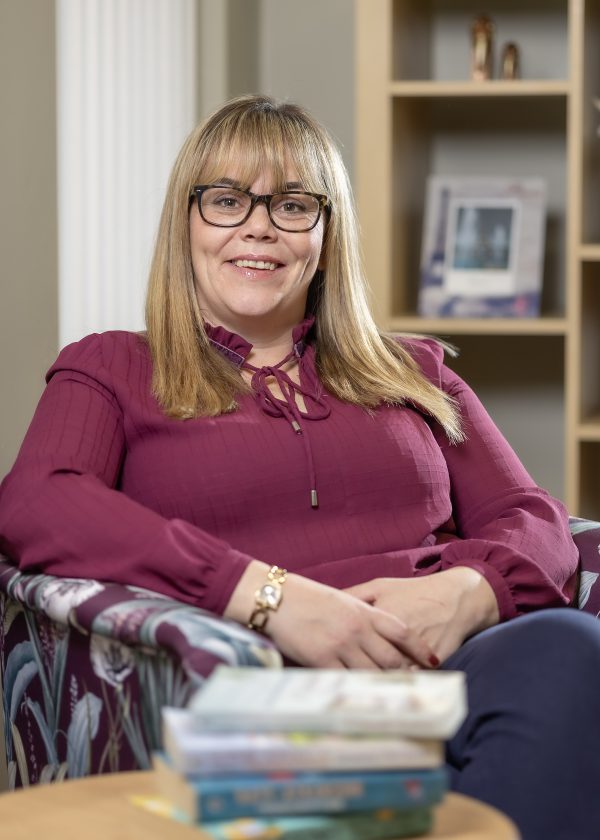
Victoria Sudworth
The alignment between clinical imperatives and personal aspirations can sometimes be complex. Clinical goals often focus on function, while personal goals may prioritise emotional or social fulfilment.
Bridging this gap involves recognising the intrinsic link between functional gains and quality of life improvements.
For example, an individual’s desire to return to gardening can be reframed within rehabilitation as a meaningful outcome that integrates balance, dexterity and endurance exercises.
By embedding personal goals within clinical practice, rehabilitation activities can be imbued with relevance and resonance.
This shift in perception encourages adherence to rehabilitation plans, reframing recovery as a collaborative and purpose-driven process, rather than a sequence of medical directives.
The ripple effect of goal setting in rehabilitation extends beyond the individual.
Families, carers and social networks often experience secondary benefits from the recovery process, with visible progress fostering optimism and shared celebration of achievements, however incremental they may be.
This reinforcement of progress plays an essential role in sustaining long-term motivation and engagement.
Celebrating both large and small milestones supports a strengths-based narrative that highlights potential, rather than limitation.
In long-term rehabilitation pathways, this can be transformative, helping individuals to view their recovery as an ongoing process of adaptation and growth, rather than an endpoint constrained by medical prognosis.
Ultimately, neurorehabilitation is about supporting individuals to live lives that are meaningful to them.
Personal goals act as a compass, guiding the recovery journey and aligning it with an individual’s identity, priorities and aspirations.
By embedding goal setting into every stage of the neurorehabilitation process, clinicians enable individuals to achieve practical outcomes, such as improved independence in daily living, regained mobility and restored communication abilities, helping them rebuild confidence and reimagine a future shaped by purpose and possibility.



