



Clinicians & therapists
For doctors, nurses, therapists and psychologists.
 Neuropsychology8 Oct
People in Northampton who have previously been unable to work due to mental ill health, are to receive support to ease them back into employment. The announcement coincides with World Mental Health Day, on Thursday, October 10, which this year is about prioritising mental health in the workplace. Workbridge, the vocational education arm of complex [...]
 Brain injury4 Oct
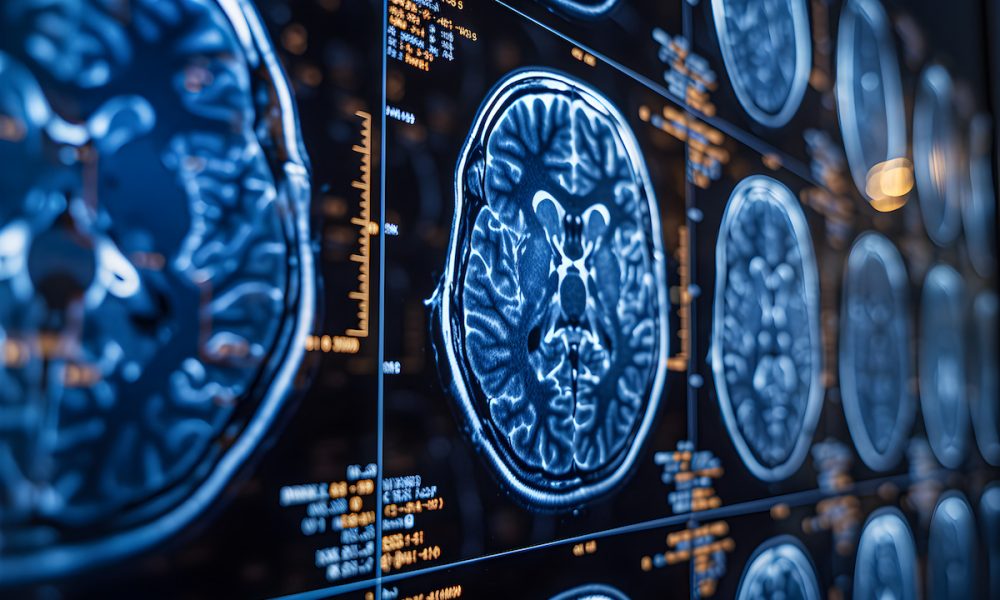
A new noninvasive method which harnesses light to activate neurons in the brain could have implications for the treatment of neurological conditions, scientists say. The ability to regulate brain activation could transform invasive procedures such as deep brain stimulation that are used to treat Parkinson’s disease and other neurological conditions. This new technique - which [...]
 Clinical practice2 Oct
Healthcare professionals are being exposed to “avoidable moral conflicts” at work, leading to ill health and many of them quitting their profession, says a team of international experts. Dr Deborah Morris, Director of the Centre for Developmental and Complex Trauma (CDCT), part of St Andrew's Healthcare located in Northampton, was asked to co-write an article [...]
 Neuropsychology26 Sep
A device which stimulates the vagus nerve has been developed by electroCore which aims to treat dopamine-related conditions such as depression, chronic pain, and Parkinson's Disease. The vagus nerve - or vagal nerves - is a nerve related to the parasympathetic nervous system which control involuntary bodily functions such as heart rate, breathing and digestion. [...]
 Neuropsychology24 Sep
A new study has suggested that a common brain network detected among veterans with traumatic brain injury could protect against PTSD, and that using neurostimulation therapies on the network could treat post traumatic stress disorder (PTSD) in veterans. A team of researchers have analysed 193 patients from the Vietnam Head Injury Study with penetrating traumatic brain [...]
 Neuropsychology16 Sep
Scientists have developed new potential therapies that selectively remove aggregated tau proteins, which are associated with Alzheimer’s disease, and improve symptoms of neurodegeneration in mice. The promising new approach could be applied in future to other brain disorders driven by protein aggregation inside cells, such as motor neuron disease, Huntington’s disease and Parkinson’s disease. In [...]
 Neuropsychology10 Sep
A first-of-its-kind study has shown that older adults who are more vulnerable to financial scams may have brain changes linked to a higher risk of Alzheimer’s disease. Nearly 7 million Americans are living with Alzheimer’s disease, the fifth leading cause of death among those 65 and older. The disease will carry an estimated $360 billion [...]
 Neuropsychology6 Sep
In a new study, researchers have found that exposure to outdoor light at night could increase Alzheimer’s prevalence more than many other risk factors for people aged under 65. In some places around the globe, the lights never go off. Streetlights, roadway lighting, and illuminated signs can deter crime, make roads safer, and enhance landscaping. [...]
 Therapy3 Sep
A small study shows that adaptive deep brain stimulation is better than the standard version at controlling movement symptoms day and night for people with Parkinson’s. Researchers explored whether adaptive deep brain stimulation (DBS) could improve movement symptoms for four people living with Parkinson’s when compared to standard DBS. Results show that adaptive DBS can [...]
 Neuropsychology29 Aug
A new study has investigated the relationship between adolescents’ executive function (EF) and their use and perceived usefulness of generative AI chatbots for schoolwork. Since their release, AI tools like ChatGPT have had a huge impact on content creation. In schools and universities, a debate about whether these tools should be allowed or prohibited is [...]


