



Clinicians & therapists
For doctors, nurses, therapists and psychologists.
 Neurophysiotherapy12 Feb
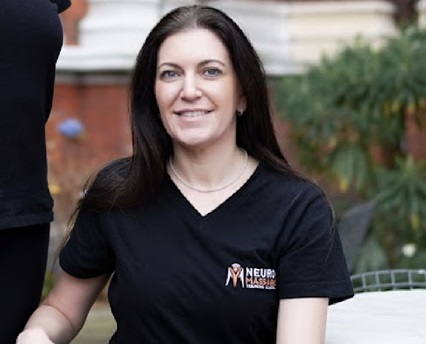
This week, we hear from Neuro Massage founder and head therapist, Gemma Eves. The London-based organisation supports clients with any form of neuro-disability, helping them to regain optimal health, fitness and happiness. How would you describe the impact and importance of your work in the lives of neuro-rehab clients? At Neuro Massage, we recognise the [...]
 Neuropsychology7 Feb
New findings may pave the way for the development of more effective movement prescriptions for anxiety and mood disorders. In a recent study, published in the journal Neuron, Dr. Jing-Ning Zhu's group from the School of Life Sciences at Nanjing University, explores a hypothalamo-cerebello-amygdalar circuit that may mediate motor-dependent alleviation of anxiety. This three-neuron loop, [...]
 Neurophysiotherapy30 Jan
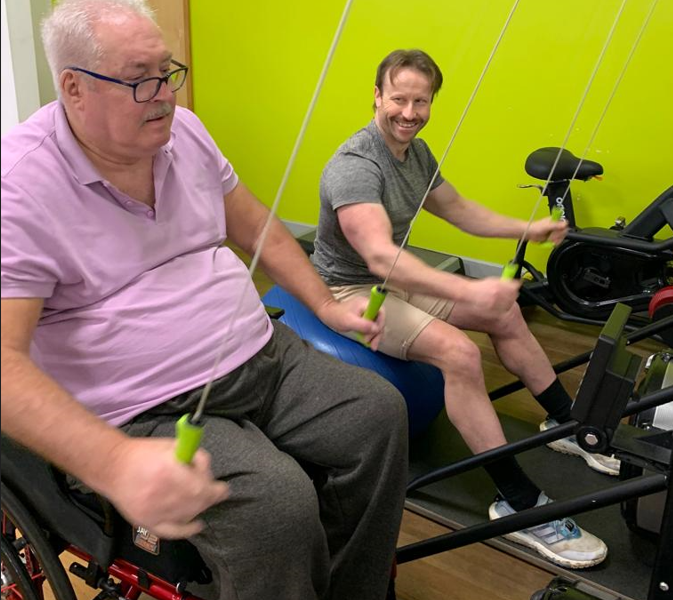
In the first article for our new Meet the PT Series, we hear from Rowan Morgan-Ruffley, adaptive personal trainer and owner of RMR Rehabilitation. Hi Rowan. How would you describe the impact and importance of your work in the lives of neuro-rehab clients? Exercise and fitness is very much an important role in the rehabilitation [...]
 Dementia29 Jan
NHS England and the UK government are being urged to reopen an influential speech and language therapy (SLT) service for people with language-led dementias which closed last year. The Royal College of Speech and Language Therapists, Rare Dementia Support, and Dyscover have written an open letter to the government and NHS England calling for the urgent reinstatement [...]
 Neuropsychology29 Jan
Researchers have established a brain pathway linking motivation, addiction and disease, which could lead to new insights into neurodegenerative diseases such as Parkinson’s. New findings published in the journal Nature Neuroscience have shed light on a pathway between the reward centre of the brain that is key to how we form habits, known as the basal ganglia, and the [...]

St Andrew's Healthcare is to host a free CPD Speech and Language webinar. Titled 'Navigating Communication and Emotional Arousal Levels: Principles and Practical Applications in Psychiatric Settings,' the webinar will take place on Wednesday March 6 from 1-2pm. Following significant interest from a recent NR Times article on SLT in Mental Health, join St Andrew's' Lead [...]
 Research22 Jan
Biopharma firm Ipsen has identified links between injection guidance techniques and improved rehab outcomes in people with lower-limb spasticity.
Ipsen’s AboLiSh study evaluated the use and effectiveness of Dysport®(abobotulinumtoxinA) in people living with lower-limb spasticity. It found that injection guidance techniques significantly help to improve outcomes and goal attainment in patients. Neuropsychology19 Jan
A combination of cognitive and behavioural strategies, ideally delivered in person by a therapist, maximises the benefits of cognitive behavioural therapy for insomnia (CBT-I), new research has found. CBT-I is a form of talk therapy, which can be delivered with the support of a therapist or through independent study. Previous research e shown that CBT-I [...]
 Case management18 Jan
By Laura Porter, Professional Mentor at ILS I qualified as an Occupational Therapist in 2002 and have worked in a variety of settings both in the UK and abroad. Following a move back to the UK from New Zealand I was looking for a new work challenge that also fitted in with family life. I [...]
 Neuropsychology18 Jan
Memory loss in people who experience repeated head impacts, such as athletes, could potentially be reversed, according to a new study The study in mice finds that amnesia and poor memory following head injury is due to inadequate reactivation of neurons involved in forming memories. The research was conducted by researchers at Georgetown University Medical [...]


