



Research
New studies, trials and evidence in neurorehabilitation.
 Dementia24 Feb
Scientists have observed in real time and reversed a chemical process linked to protein clumping associated with Alzheimer’s disease. Using a molecule-measuring technique in laboratory tests, researchers tracked how certain metals can promote the clumping of amyloid-beta proteins. In people with Alzheimer’s disease, these protein build-ups block neural pathways and prevent brain cells from communicating [...]
 Research23 Feb
Two hundred neurologists will urge US lawmakers in Washington, D.C., to maintain brain research funding and protect patient access to care. The American Academy of Neurology is holding its 24th annual "Neurology on the Hill" event from 22 to 24 February 2026, with delegates from 47 states set to press politicians on three issues: research [...]
 Huntington's17 Feb
Harness Therapeutics has named HRN001 as its lead Huntington’s disease drug candidate and set out plans to advance the programme towards clinical trials. Huntington’s disease is an inherited neurodegenerative condition that causes progressive problems with movement, thinking and mental health, with death often occurring within 15 years of symptoms starting. There are currently no approved [...]
 Parkinson's17 Feb
Depression can appear years before a diagnosis of Parkinson’s disease or Lewy body dementia, new research has revealed, suggesting it may be an early indicator of neurological disease. A long-term study found people who later developed Parkinson’s disease or Lewy body dementia were significantly more likely to experience depression than those with other serious chronic [...]
 Research17 Feb
A single dose of DMT given alongside psychotherapy has been shown to ease symptoms of major depression, with benefits lasting for months, according to a small clinical trial. The trial found that people receiving the psychedelic treatment saw rapid improvements in depressive symptoms, which continued well beyond the short period during which the drug was [...]
 Parkinson's16 Feb
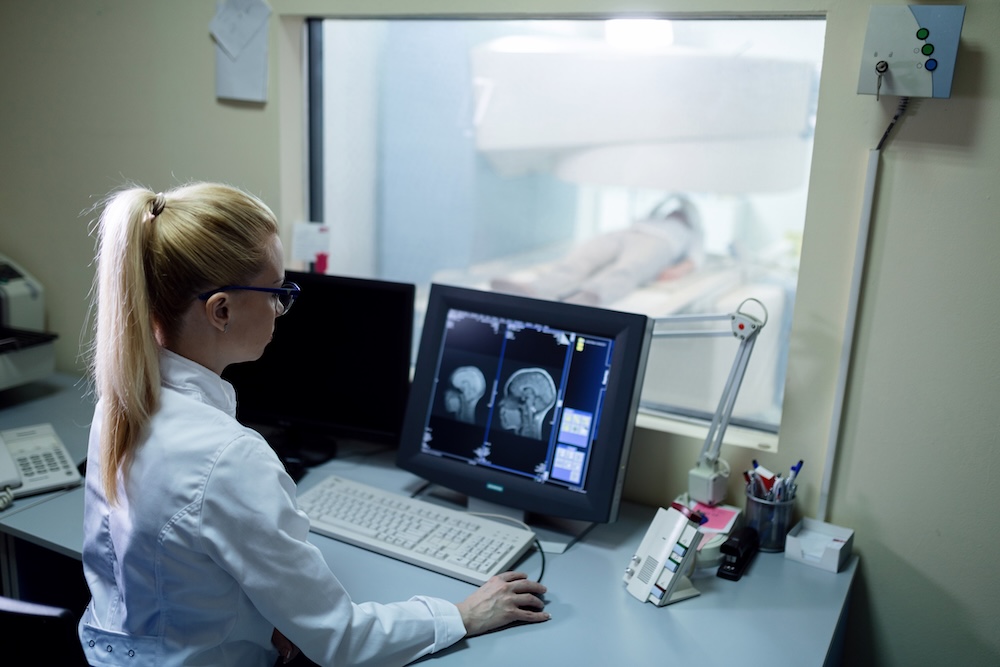
Advanced MRI analysis could improve early diagnosis of two rare conditions often mistaken for Parkinson’s disease, research suggests. The study indicates that detailed assessment of brain scan patterns can distinguish between progressive supranuclear palsy (PSP) and corticobasal degeneration (CBD), even at early stages. Both conditions are neurodegenerative diseases that cause balance problems, falls, stiffness and [...]
 Multiple sclerosis13 Feb
Following a Mediterranean diet may help slow disability progression in people with early multiple sclerosis, partly by reducing biological ageing, news research suggests. The findings point to a link between diet, biological age and disability, suggesting lifestyle choices could influence long-term outcomes in MS. Biological age reflects how old cells and tissues appear, based on [...]
 Spinal injury13 Feb
US researchers have developed a human spinal cord organoid model that reproduces injury responses and could speed regenerative therapies. Organoids are mini versions of organs grown from stem cells that mimic real tissue structure and function. For the first time, the model accurately replicated cell death, inflammation and glial scarring, a dense barrier that blocks [...]
 MND / ALS26 Jan
Long-term air pollution may raise the risk of motor neurone disease and worsen outcomes after diagnosis, new research suggests. The study, one of the largest to examine this link, tracked 1,463 people newly diagnosed with MND in Sweden, comparing them with over 7,300 population controls and nearly 1,800 sibling controls to account for genetic and [...]
 Parkinson's7 Jan
Two proteins on motor neurons in the brain may drive the progression of Parkinson's, new research suggests. Parkinson's is a neurodegenerative condition in which neurons slowly die. A misfolded protein called α-synuclein builds up and spreads between cells, damaging brain tissue. A new study points to two membrane proteins, mGluR4 and NPDC1, as major players [...]


