



Research
New studies, trials and evidence in neurorehabilitation.
 Research16 Jan
Engineers at Columbia University have developed the Trunk-Support Trainer (TruST), which assists and trains people with SCIs to sit more stably by improving their trunk control, and thus gain an expanded “active sitting workspace” without falling over or using their hands to balance. Their study, published in Spinal Cord Series and Cases, is the first to measure and define the sitting workspace of patients with SCI based on their active trunk control. "We designed TruST for people with SCIs who are typically wheelchair users," says Sunil Agrawal, a professor of mechanical engineering and of rehabilitation and regenerative medicine. "We found that TruST not only prevents patients from falling, but also maximizes trunk movements beyond patients' postural control, or balance limits."
 Research12 Jan
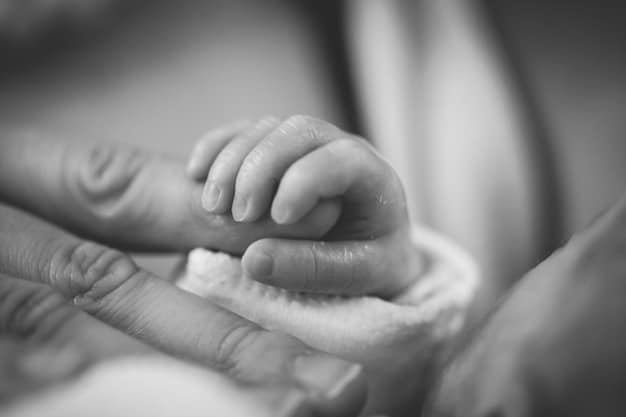
An estimated three out of every 1,000 newborns will suffer a brachial plexus injury during birth, damaging the bundle of nerves that connect the brain and spinal cord to the shoulders, arms and hands. In the most traumatic cases, even with surgery and physical therapy as an infant, there is no treatment that can guarantee a full recovery. However, a new study from the University of Notre Dame has identified a strategy that may support the regeneration of nerves affected by a brachial plexus injury. The findings show that there could be a new path forward for a full behavioral recovery. "Early on, our model showed that the nerve regeneration process after a brachial plexus injury differed from how these nerves connect the peripheral and central nervous systems during early development," said Cody Smith, the Elizabeth and Michael Gallagher Assistant Professor of Biological Sciences and co-author of the study.
 Research9 Jan
The British Association of Brain Injury and Complex Case Managers (BABICM) research group is encouraging all case managers to make the leap back into research. Engaging in research and staying up to date in evidence-based practice is fundamental to BABICM’s competency framework, which is required for effective practice for all case managers. This ensures case managers continue to enhance service user’s outcomes and experiences.
 Research12 Dec
The inquest of former footballer Jeff Astle in 2002 famously concluded that his death following dementia was a result of industrial disease caused by heading footballs. Since then various studies have provided further evidence of such links but nothing as comprehensive as the University of Glasgow’s recent effort. The research, published in October, has produced one of the first pieces of truly credible evidence to contribute to this subject. Since then various studies have provided further evidence of such links but nothing as comprehensive as the University of Glasgow’s recent effort. The research, published in October, has produced one of the first pieces of truly credible evidence to contribute to this subject. The FIELD (Football’s Influence on Lifelong Health and Dementia Risk) study analysed the medical records of over 7,000 former professional male footballers in Scotland from 1900 to 1976 and compared them against those of the general population.
 Research14 Oct
On a Saturday night in February 2018, 31-year- old British boxer Scott Westgarth spoke of his love of the sport as he emerged triumphant from his match against Dec Spelman in Doncaster, England. Hours later he collapsed in his locker room and was rushed to hospital, where he tragically died of head injuries sustained during the fight. Then in July this year came two more boxing fatalities within a few days of each other. Both the Russian boxer Maxim Dadashev, 28, and 23-year-old Argentinian fighter Hugo Alfredo Santillan died from brain injuries, prompting fresh calls for drastic changes in the sport.
 Research11 Oct
Paula Walters was strangled by her boyfriend in 2006. “I remember him putting his hands around my throat and thinking, ‘I’m going to die’.” For years afterwards she kept forgetting things, struggling to concentrate and losing control of her emotions. At her lowest point, she even tried to take her own life. What Paula didn’t know, was that her symptoms were not because she was “crazy” or “stupid”.
 Research7 Oct
Acquired brain injury (ABI) is one of the leading causes of disability within the UK and can have a significant impact on the daily lives of survivors and their families (Khan et al., 2003). Difficulties include physical, emotional, cognitive and behavioural changes, and with many experiencing little or no physical impairment, ABI is often referred to as a “silent epidemic”. Case management is dedicated to supporting and coordinating the rehabilitation and care of individuals with complex needs including ABI.
 Research23 Jan
“I’m a half widow,” says Mary, whose 69-year-old husband suffered a hypoxic brain injury two years ago. “I no longer work and that’s not a great feeling because you start to disappear.” Mary is part of a new study which has given a voice to families of people with brain injuries. Specifically it investigates an element [...]
 Research6 Jan
Offshore oil and gas explorers have inspired a journey into unchartered waters for neuroscience. For the energy industry’s precise understanding of fluid and heat ow has been used to investigate how blood transfers heat around the brain. And the results could bring about new ways of treating head trauma and stroke in their immediate aftermath. Dr [...]
 Research5 Jan
Deep in the inner galaxy of the central nervous system, a rogue power wreaks havoc. It appears when disasters occur and carries out deadly disruption. It is known simply as ‘A1’ and its origin has been shrouded in mystery throughout the modern era of medical science. Until this year, that is, when a small army of [...]


