Spinal injury
Spinal cord injury care, rehab and life after injury.
 Spinal injury23 Apr
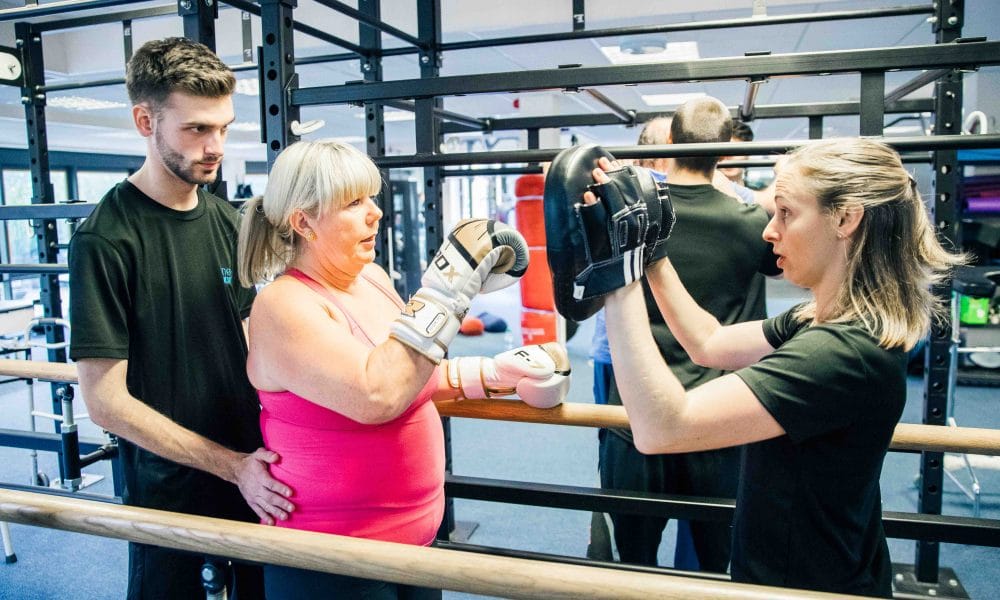
Established using best practice in spinal cord injury therapy from around the world, the rehabilitation offered by Neurokinex is helping to redefine the possibilities for people living with paralysis. NR Times learns more about its neuroscience-inspired work
“We want to help change people’s outlook on life.” Jane Symonds’ summary of the work of Neurokinex, and its approach to redefining possibilities for people living with paralysis, is a powerful one. For aside from the work the rehab provider does with patients physically, using techniques to stimulate the whole body rather than only the functional areas, the impact its neuroscience-inspired approach has mentally is possibly even greater. Spinal injury14 Apr
As chief executive of Spinal Research, Harvey Sihota’s focus is to advance global efforts to develop treatments for paralysis through its funding of medical research. Here, Harvey tells NR Times why efforts to turn academic discoveries into clinical realities must be stepped up, and how both investment and expertise is crucial to that Back in 2009, when a freak accident led to Harvey Sihota being left paralysed, the outlook for spinal cord injury patients being able to walk again was less than optimistic. “It was considered to be final, a lifelong condition. When the consultant came to my hospital bed and told me I’d never walk again, it was very black and white,” he recalls.
 Spinal injury26 Mar
A neurophysio provider which aims to improve life quality and outlook for people with paralysis has won an award in recognition of its work.
Neurokinex brings together specialist rehab programmes, the latest technology and neuroscience-led thinking; and has built up a reputation for its work with spinal cord injury patients. The charitable trust and social enterprise builds programmes involving the whole body in exercise - optimising the strength and endurance of functioning muscles, while stimulating the muscles that have been most affected by injury or neurological condition. It has also built a reputation on an international scale, with affiliation with the Christopher and Dana Reeve Foundation Neurorecovery Network.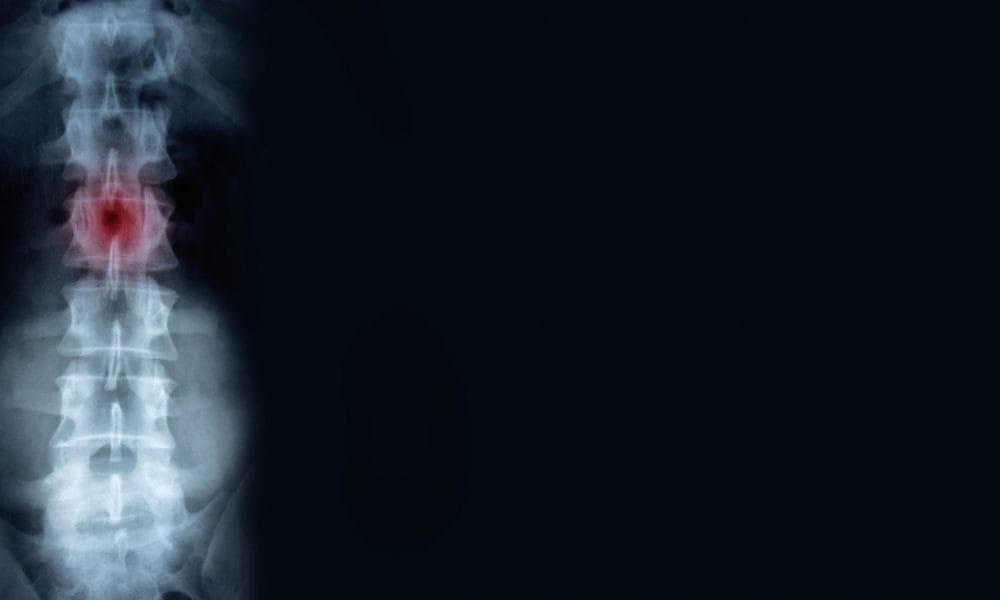 Spinal injury24 Mar
A means to accelerate regeneration of neurons and reconstruct the neural circuit in the spine has been discovered, in a further breakthrough for spinal cord injury patients worldwide.
A nanobiomaterial, layered double hydroxide (LDH), has been proven to inhibit the inflammatory environment surrounding spinal cord injuries in mice, in research from Tongji University in Shanghai. For the first time, the study was also able to identify the underlying genetic mechanism by which LDH works.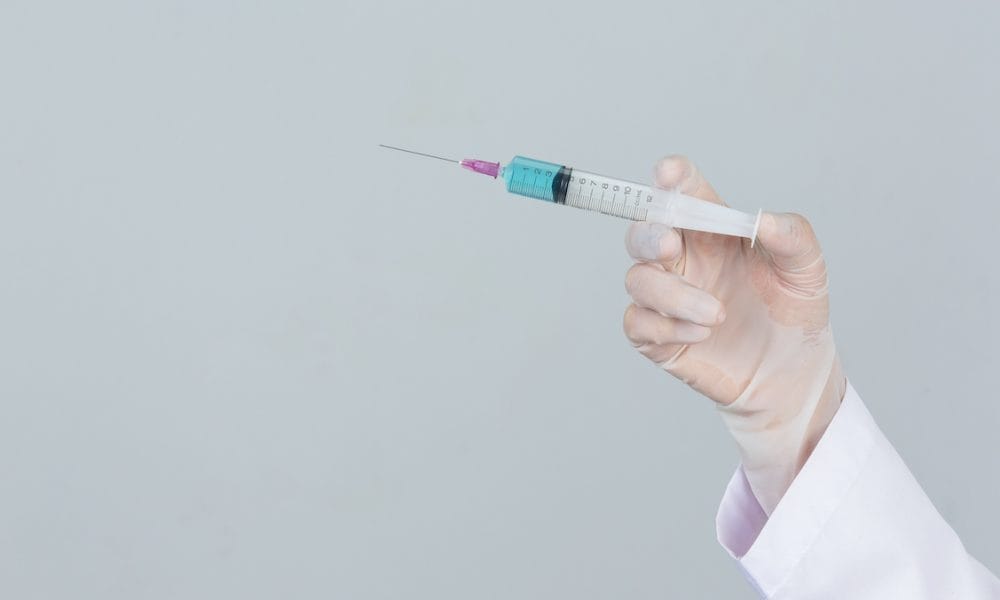 Spinal injury19 Mar
Efforts to bring epidural stimulation into mainstream use - which could enable people with spinal cord injury to walk again - have moved a step closer through new funding for the project.
In 2018, the University of Louisville made news worldwide when two people diagnosed with spinal cord injuries recovered the ability to walk through the experimental use of epidural stimulation. However, since that time, the use of the breakthrough therapy outside of a research lab setting have so far not come to fruition. However, the prospect has moved a step closer with a $7.8million grant from the National Institute of Neurological Disorders and Stroke, one of the National Institutes of Health (NIH). Spinal injury4 Mar
Intravenous injection of bone marrow derived stem cells (MSCs) in patients with spinal cord injuries led to significant improvement in motor functions, new research has found.
For more than half of the patients, substantial improvements in key functions — such as ability to walk, or to use their hands — were observed within weeks of stem cell injection, the study from Yale University reports. Spinal injury9 Feb
A Formula One racing team has renewed its commitment to the Spinal Injuries Association (SIA), in recognition of the support it has given to the team’s founder.
Williams Racing has announced that SIA will continue to be the official charity of the team, a status is has had since 2015. The team has a long association with the charity - which provides information, advice and support to the 50,000 people living with spinal injury in the UK - dating back to when Sir Frank Williams became spinal cord injured following a car accident in 1986. Sir Frank received support from SIA as he recovered and returned back to work, subsequently leading the team to achieving nine Formula One World Championship Constructors’ Titles. Spinal injury29 Jan
Blood pressure can be controlled without drugs after spinal cord injury, new research has revealed.
Spinal cord stimulators can bridge the body’s autonomous regulation system, controlling blood pressure without medication, the study found. Led by Dr Aaron Phillips at the University of Calgary's Cumming School of Medicine (CSM) and Grégoire Courtine, from the Swiss Federal Institute of Technology (EPFL), the study has been hailed as having “life-changing” consequences for people with spinal cord injury. Spinal injury1 Dec
A paraplegic cyclist has utilised the power of Functional Electrical Stimulation (FES) to pedal his way to second place at the annual Cybathlon. Now, he’s embarking on another journey to raise £1 million to fund research on spinal stimulation; a treatment method which aims to improve the recovery and function of people with paralysis.
Following a trampolining accident in 2011 at the age of 16, Johnny Beer (AKA BionicBeer), was paralysed from the chest down.
Almost ten years later, the 25-year-old has snatched the silver medal at the Cybathlon 2020 FES Bike Race. BionicBeer powered his bike using Functional Electrical Stimulation (FES), a method which contracts paralysed muscles using small electrical charges.
Electrodes are placed on the skin through which an electrical current is passed. This effectively replaces the nervous system stimulus that is lost when someone is paralysed.