



Therapy
Therapies that support recovery after neurological injury and illness.
 Therapy31 Jan
Chroma, a provider of neurologic music therapy (NMT) is working with children, and their families, recovering from acquired brain injuries or auto immune conditions. York-based charity Jessie’s Fund originally funded the yearlong feasibility study and following independent evaluation has agreed with the hospital’s trust to extend the project for another year. Chroma’s music therapist will work as part of the multi-disciplinary team to support paediatric in-patients at Great North Children’s Hospital.
 Therapy16 Jan
When a music therapist first came to Karima Collins’ stroke ward, her NHS- issue sceptic alert fired up. “We’re trained to be quite critical and to focus on the evidence,” she says. “When someone makes grand claims about what the therapy can do, like improving attention, communication and reducing neglect, I was sceptical. How on earth could it do all these things?” Then she saw the video evidence – and heard more about how neurologic music therapy (NMT) can transform outcomes in stroke patients.
 Tech & industry16 JanNew York-based Spine Care Technologies, launched in March 2018, believes it has the answer in the Extentrac Elite; which enables non-surgical, drug free, disc and spine care treatment.
The device is a multidirectional decompression device used to aid the treatment of spinal injuries, mostly from the thoracic (mid) to the lumbar (lower) spine.
It is used in in the treatment of minor degenerative disc disease, through to drop-foot and serious neurological impingement.
Tech & industry16 JanNew York-based Spine Care Technologies, launched in March 2018, believes it has the answer in the Extentrac Elite; which enables non-surgical, drug free, disc and spine care treatment.
The device is a multidirectional decompression device used to aid the treatment of spinal injuries, mostly from the thoracic (mid) to the lumbar (lower) spine.
It is used in in the treatment of minor degenerative disc disease, through to drop-foot and serious neurological impingement. Tech & industry16 Jan
>It will affect around one in two stroke survivors, according to the Stroke Association, and roughly at least a third of people with MS. Meanwhile, over 80 per cent of people with Parkinson’s may be affected (Suttrup et al, 2016). Speech and language therapists and other rehab professionals may employ a range of techniques aimed at triggering swallowing reflex and strengthening muscles needed for chewing and swallowing.
 Therapy11 Jan
We all know that taking exercise has both physical and mental health benefits. Staying active is easy for some, and not so easy for others. The current campaign run by the Chartered Society of Physiotherapy is “Love activity, Hate exercise”. Taking this principle we try to prompt and increase where possible, general activity for all our patients at our St Neots neurological service. For some this may be encouraging them to be more involved on the ward generally, in group activities or on outings. For the more physically able patients, we were looking for a fun way to engage and push them outside their comfort zone to see if this could potentially improve their function or mobility.rehab opportunities when they had a gold standard idea...
 Therapy18 Dec
In this age of strained healthcare resources, all therapists must be able to quickly and succinctly evidence their value. In the neurologic strand of music therapy, this is aided by an approach in which assessments feature prominently. In the psychodynamic branch of music therapy with children and families, however, measuring and reporting progress has long been a significant challenge. Why is it important to assess families and more specifically, the interactions between parent and child? The most crucial reason would be to protect the children from negative parenting behaviours such as neglect or abuse.
 Therapy25 Nov
Neurologic Music Therapy (NMT) provides specific, individualised and standardised interventions for people with brain injury or neurological conditions. It is distinct from traditional music therapy approaches as it is not based on a social-science model. Rather, it is underpinned by neuroscience and recognises music as a hard-wired brain language. The discipline of NMT improves cognitive, sensory and motor dysfunction caused by neurologic disease of the human nervous system; and is becoming increasingly relied upon to deliver better neuro-rehab outcomes.
 Therapy7 Oct
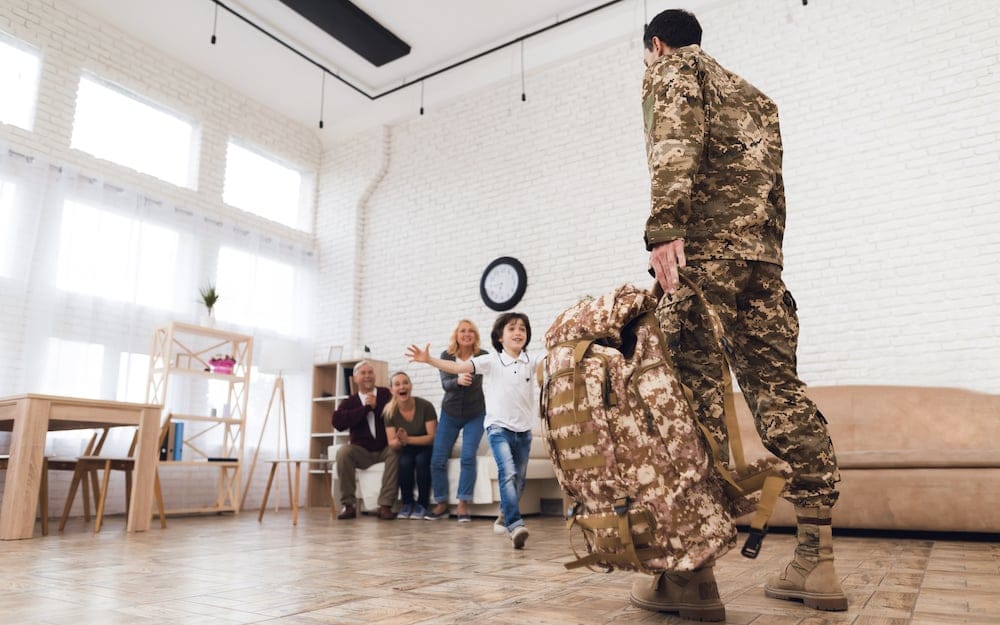
Transitioning from military to civilian life can take its toll not only on ex-military personnel but their families too. Physical and/or mental trauma can negatively impact relationships between loved ones as those directly affected struggle to come to terms with the aftermath of war. Veterans’ difficulty transitioning to civilian life can fuel anger and frustration within a household, and leave loved ones feeling increased levels of anxiety and isolation.
 Therapy7 Oct
Private clinic the London Orthotic Consultancy (LOC), founded in 2004, provides bespoke orthotic treatments for a wide range of adult and paediatric conditions. It operates privately across the whole of the UK and abroad and also has a growing number of international clients. Director Sam Walmsley explains: “We deal with complex physical problems and generally manufacture bespoke orthotics to address them. We have a unique setup for the UK in that we have 2D video vector gait labs and we do all our manufacturing on site.’’
 Therapy16 Aug
“How many kids in a wheelchair get to see the world from the top of a mountain, and then slide down it?” says Chris Loyn, who first saw his son Jack’s face light up as he hurtled down a ski slope four years ago. “To be out of his wheelchair and suddenly flying freely down a mountain, the fresh air blasting in his face, it was just awesome.” Jack, now 30, suffered a brain hemorrhage at just two weeks old and was left wheelchair bound as a result of spastic quadriplegic cerebral palsy. In 2015 Chris heard of an organised ski trip taking people with severe brain injuries and complex disabilities to France for an adventure he hadn’t thought possible.


