Exoskeleton linked to improved quality of life in spinal injury study
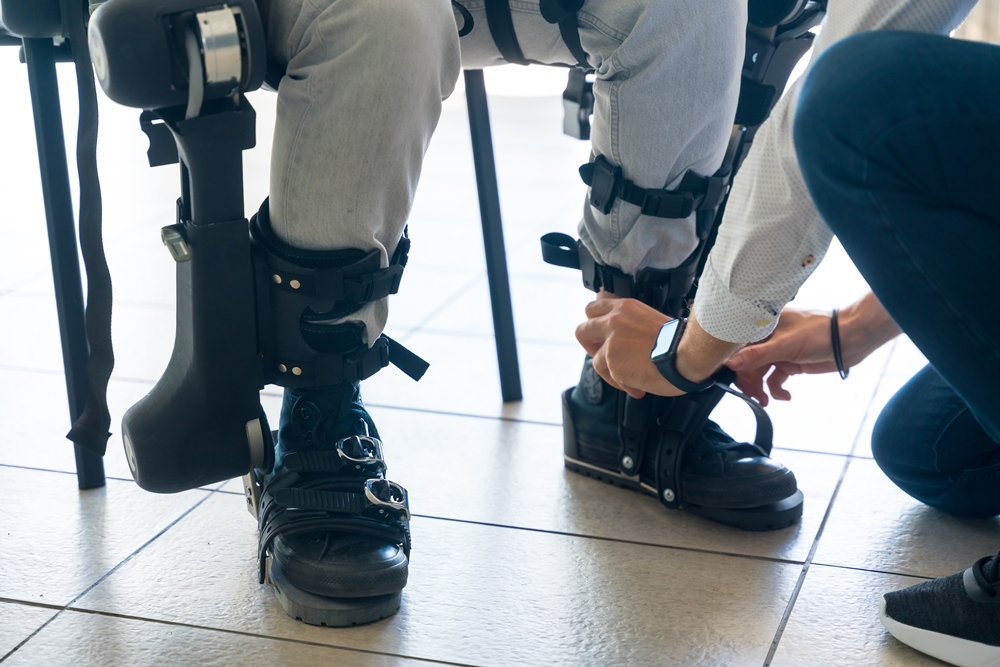
Seven people with chronic paraplegia used a ReWalk exoskeleton at home for up to 45 months, reporting improvements in quality of life and no falls or device-related fractures.
The independent study examined long-term use of the wearable robotic device, which enables people with spinal cord injuries to stand, walk and navigate stairs and kerbs.
Participants had completed structured training before using the ReWalk 6.0 Personal Exoskeleton at home. The median period of use was 33 months, ranging from 20 to 45 months.

However, the study involved only seven people and assessed their experiences and performance after prolonged use. It cannot establish whether the exoskeleton caused the reported improvements in health or quality of life.
Keith Rose, chief medical officer of ReWalk manufacturer Lifeward, said: “These findings show the potential for long-term ReWalk use to enable appropriately selected individuals with paraplegia to continue standing and walking years after receiving their systems.”
The research was conducted by Andrea Giovanni Cutti and colleagues at Centro Protesi Inail, the prosthetic centre of Italy’s workers’ compensation authority.
Previous studies had largely focused on shorter periods of supervised exoskeleton use, while this research examined how people used the technology over several years outside clinical settings.
Six of the seven participants recorded more than 3,000 steps per month, with monthly totals across the group ranging from 446 to 12,822 steps.
One participant used the device considerably less because of limited caregiver availability.
The researchers identified access to a qualified caregiver as an important factor in continued use.
Participants also demonstrated measurable walking ability after prolonged home use.
In a six-minute walking test, they covered a median distance of 129 metres without stopping to rest.
Their median speed in a separate 10-metre walking test was 0.43 metres per second, a level described as modified community ambulation.
Satisfaction scores were generally high, with a median of 4.2 out of five on the QUEST assessment and 70 out of 100 on the System Usability Scale.
Participants also reported improvements in aspects of their health and daily lives.
Self-reported bowel and bladder management each improved by a median of three points on a five-point scale, while pain scores fell by a median of four points on the Visual Analogue Scale.
All seven participants said walking with ReWalk had improved their quality of life and mental health.
Median depression and anxiety scores were below the thresholds for mild symptoms.
The ReWalk Personal Exoskeleton has received clearance from the US Food and Drug Administration and carries a CE mark in Europe.
Designed for standing and walking at home and in the community, it is covered by Medicare in the US for eligible beneficiaries.
Lifeward said the findings added to evidence supporting longer-term personal exoskeleton use beyond initial rehabilitation and training.
The researchers concluded that providing powered exoskeletons for home use could be incorporated into rehabilitation programmes supporting people with paraplegia in daily life.
The findings also showed the importance of selecting and training suitable users, with caregiver availability affecting how frequently the device could be used.
 Experts urge shift towards long-term care for brain and spinal cord injuries