Diagnosis of chronic traumatic encephalopathy (CTE) could be possible in living patients for the first time since the condition was first described in 1928.
A new trial spanning nine hospitals in the US will test whether doctors can diagnose CTE via a positron emission tomography (PET) scan, a nuclear imaging test that uses radioactive drugs called “tracers” to show how organs and tissues are performing.
Currently, CTE can only be diagnosed via autopsy.
In patients with CTE, tau and amyloid proteins are broken down and accumulated in the brain.

The tracer looks for tau and amyloid proteins in the brain and when it binds to them, it emits radioactivity. Doctors look to scan for dementia and other cognitive problems this way.
CTE occurs when chronic trauma causes brain dysfunction. Around a third of people who are posthumously diagnosed with CTE die by suicide. While living, they often struggled with symptoms like depression, migraine, sleep disturbances, anxiety, emotional disturbance, and dementia.
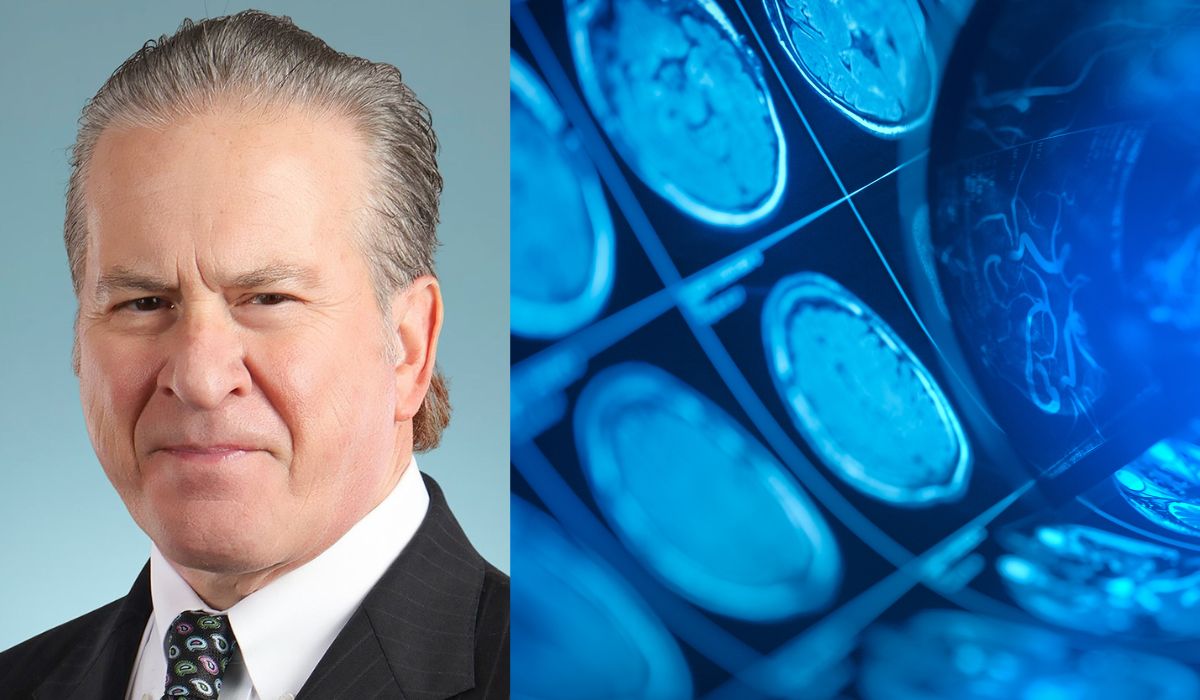
Julian Bailes (pictured above), chair of neurological surgery at Endeavour Health Neurosciences Institute, one of the organisations involved in the trial, says: “We hope that if we can diagnose CTE in people who are living, then we can one day treat it or prevent it’s progression.
“[CTE] was first noted in former professional boxers. They would have all the symptoms of dementia, such as memory loss, loss of function and neurobehavioral alterations.”
In the mid-2000s, an autopsy on an American football player named Mike Webster revealed that he had a variation of Alzheimer’s disease that would come to be known as CTE.
“This injury is not like when somebody gets in a car accident and hits their head on the windshield in a single event,” says Dr. Bailes.
“Rather this is a different type of brain injury where the brain gets hit thousands of times, so-called repetitive traumatic brain injury.”
Dr. Bailes began studying CTE with his colleague, Bennet Omalu, at the University of Pittsburgh. Director Ridley Scott would eventually make a movie about their research called Concussion, starring Will Smith as Dr. Omalu and Alec Baldwin as Dr. Bailes.
Now, Dr. Bailes has helped spearhead the multi-site diagnostic trial that could give doctors the groundbreaking ability to diagnose CTE in living patients.
“You can’t help a patient with their disease if you can only tell them they have it when they’re dead,” said Dr. Bailes.
“The hope is that if we can diagnose it while the patient is living, maybe we can treat some of the symptoms. We also hope this will spur the pharmaceutical industry to develop drugs that can treat CTE.”