The risk of epilepsy after traumatic brain injury (TBI) could be reduced thanks to a new approach identified in an international study.
The research, which highlights the important role played by the P2X7 brain receptor, could also pave the way for better diagnostics.
Post traumatic epilepsy (PTE) is a common outcome of TBI, characterised by recurring seizures which can profoundly impact quality of life.

Currently, up to 30 per cent of PTE patients do not respond to existing medications, and no treatments are currently available to predict or prevent the development of epilepsy following traumatic brain injury.
The P2X7 receptor has been identified as a key driver of abnormal brain activity after brain injury.
In preclinical models, blocking this receptor shortly after injury significantly reduced brain hyperexcitability, minimised brain damage, and improved behaviour, underscoring its promise as a therapeutic target for preventing epilepsy.
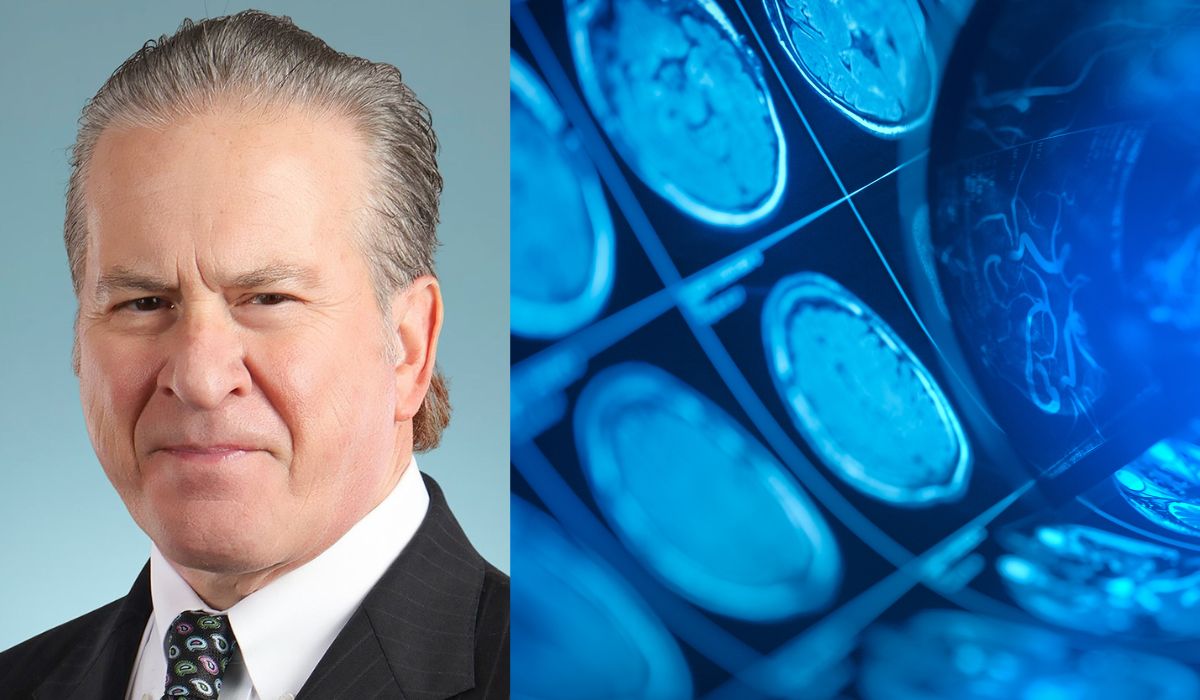
By looking at the activity of the P2X7 receptor using a PET scan, the authors also suggest a potential new diagnostic tool.
The uptake by the brain of a specialised P2X7 receptor tracer shortly after injury was found to correlate with seizure risk weeks later. This tool could help clinicians identify at-risk patients early, enabling timely and tailored interventions.
The study was led by researchers at FutureNeuro, the Research Ireland Centre for Translational Brain Science and RCSI University of Medicine and Health Sciences.
Dr Tobias Engel, FutureNeuro investigator, said: “[TBI] is a major cause of epilepsy in adults, with many patients unable to benefit from existing anti-seizure treatments. Our research has identified the P2X7 receptor as a promising new target, offering the potential to prevent epilepsy before it develops, sparing patients from seizures and the burdens of ongoing medication.”
Dr David Loane, associate professor in neuroscience at Trinity College Dublin, said: “While additional research is required to confirm our findings and explore their application in clinical settings, we’ve made a significant step forward in addressing the unmet need for early intervention in post-traumatic epilepsy.
“This was made possible through extensive multidisciplinary collaboration, demonstrating the power of shared expertise in advancing epilepsy research.”