Water pollution sources linked to higher risk of rare neuro condition
A plant-derived compound promoted nerve cell regrowth and improved motor coordination in mice with traumatic brain injury, according to preclinical research.
The compound, isorhoifolin, was found to act through two different biological pathways in neurons and astrocytes, cells that support nerve cells.
The findings suggest a possible approach to treating traumatic brain injury (TBI) by promoting nerve cell regrowth and reducing oxidative stress, a process involving molecules that can damage cells.

The research, led by professor Linyi Chen at National Tsing Hua University (NTHU) in Taiwan, spanned more than eight years, from screening plant extracts to investigating how the compound works.
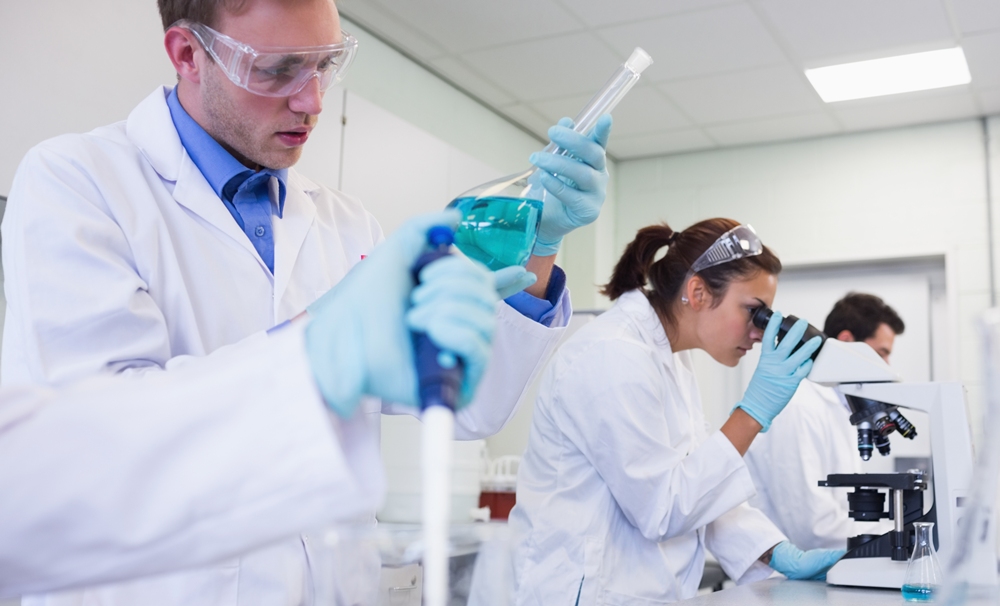
The team tested isorhoifolin in cultured neurons, brain tissue slices and mouse models of TBI.
The compound promoted the regrowth of injured neurites, the extensions of nerve cells that help transmit signals through the nervous system.
Mice with TBI also showed improved motor coordination following treatment, while brain tissue analysis revealed greater repair in injured areas.
The researchers identified two mechanisms through which isorhoifolin appeared to support neural repair.
In neurons, it inhibited a molecular signalling pathway known as S1PR3–CK2–GSK3β, promoting the regrowth of damaged nerve cell extensions.
In astrocytes, the compound targeted an enzyme called NQO2, reducing reactive oxygen species, molecules that can damage cells through oxidative stress.
This reduction could create conditions more favourable for nerve cell repair.
The team confirmed that S1PR3 and NQO2 were direct molecular targets of isorhoifolin.
The research began with the screening of more than 2,000 extracts from nearly 900 plants at the Dr. Cecilia Koo Botanic Conservation Center.
Scientists identified an active extract from Monstera epipremnoides before isolating isorhoifolin as one of its active compounds.
After determining its chemical structure, the researchers developed a way to produce it through chemical synthesis, removing the need to continually harvest plant material.
Working with NTHU’s Department of Chemistry, the team can now produce isorhoifolin in gram-scale quantities.
Researchers are also developing structural variations of the compound to compare their pharmacological activity and investigate possible improvements for drug development.
The study examined whether isorhoifolin could reach the brain when administered intranasally, meaning through the nose.
The compound was detected in mouse brain tissue as early as 15 minutes after administration.
Chen suggested that intranasal delivery could eventually provide a non-invasive treatment option for people with mild brain injuries.
If future safety studies and clinical trials are successful, the researchers could explore developing a nasal spray that patients might administer themselves.
Intravenous administration could also be investigated for more severe injuries.
However, the findings are limited to preclinical research. There is currently no evidence from human trials establishing that isorhoifolin can safely or effectively treat brain injuries.
Before clinical testing, the researchers will need to increase manufacturing capacity and conduct toxicology studies to assess potential harmful effects.
The team is preparing for future clinical trials and plans to request a pre-Investigational New Drug meeting with the US Food and Drug Administration.
NTHU has already secured patent protection in Taiwan for the use of isorhoifolin and its derivatives to promote the repair of injured neurons.
Chen said the findings could also provide a basis for research into other conditions involving neural injury and inflammation, including stroke and brain fog associated with COVID-19.
The project involved collaboration with the Dr. Cecilia Koo Botanic Conservation Center, National Health Research Institutes, Cathay General Hospital, Kaohsiung Medical University and National Research Institute of Chinese Medicine.
Further research will be needed to determine whether the nerve cell repair and improvements in motor coordination observed in mice can translate into an effective treatment for people with TBI.
 The right home at the right time