A charity which supports people who have lost their senses of smell and taste has seen global demand for its services raised near 70-fold amidst the pandemic, with the symptoms being two of the key indicators of COVID-19.
Fifth Sense has worked nationally since its creation in 2012 to offer support and signposting to those directly affected by smell and taste loss, supporting hundreds of people during that time, as well as educating society on the vital role the senses play in our lives and how keenly their loss is felt.
However, over the past few months, the charity has been deluged with enquiries from around the world after smell and taste loss became commonplace through contracting COVID-19, and they were confirmed as being among the main symptoms of the deadly virus.
A charity which supports children with brain injuries and their families is looking to reunite those it has supported to create an exhibition showcasing their journeys.
For almost 40 years, The Children’s Trust in Tadworth, Surrey, has helped children with brain injury and neurodisability.
Now, through its ’Shine a Light’ exhibition, The Children’s Trust is compiling a collection of photographs featuring those who have been helped by the charity to lead the best life possible following a brain injury.
The collection of images, which highlight key milestones in every child’s journey, will be shown in an online gallery from May 2021, alongside a written account detailing their story. The charity hopes to show them at an event once guidelines permit.
Following this week’s neurodiversity evidence review, organised by HM Inspectorate of Prisons, Dr Ivan Pitman, consultant clinical neuropsychologist at The Disabilities Trust, who was part of the round-table event, shares his comments.
“This follows our work over the past 20 years and which culminated in the UK Government’s formal acknowledgment in Parliament in June 2018 of the widespread prevalence of brain injury within the Criminal Justice System; a milestone in acceptance which we were proud to have reached with our colleagues in the sector.
Our work at The Disabilities Trust has shown that brain injury in adult males, women and adolescents within Criminal Justice System is up to five times higher than the general population - a figure too pointed to be ignored.
Traumatic or stressful events in childhood may lead to tiny changes in key brain structures which can be identified decades later, new research has concluded.
The study is the first to show that trauma or abuse during a child's early years - a well-known risk factor for developing mental health conditions such as major depressive disorder in adulthood - triggers changes in specific subregions of the amygdala and the hippocampus.
Once these changes occur, researchers from the University of Alberta believe the affected regions of the brain may not function as well, potentially increasing the risk of developing mental health disorders as adults during times of stress.
After sustaining a TBI following a serious assault, Ian was left with no memory of his life or his beloved family. Here, his wife Bethan shares their story of rebuilding their lives.
The excitement of Christmas 2019 became devastation in an instant, when Ian was attacked on Christmas Eve.
He was walking home in Cheshire, accompanied by wife Bethan and their three young children, when he was punched unexpectedly by a person he didn’t know.
Ian was knocked to the floor and hit his head on the curb, causing a brain injury which led to a blood clot in the temporal lobe.
The Professional Footballers’ Association (PFA) has added its weight to calls for newly-introduced trials around concussions substitutions to go further.
The PFA, the union representing professional players, has said temporary concussion substitutions need to be considered, in addition to the permanent substitutions which are currently offered under the Premier League trial.
Their comments come after the use of the first concussion substitution in football, after West Ham’s Issa Diop was replaced after a clash of heads with Anthony Martial of Manchester United.
Case management has faced unprecedented challenges during the past year, which has seen it respond with positivity and agility to ensure service to its clients could be maintained. In the latest in our Q&A series, Sarah Cooke from Bush & Co shares her experiences, and how the newly-adopted telerehab will undoubtedly play a role going forward.
Can you summarise how the past few months have been for you
It’s certainly been the biggest challenge of my career! But I feel proud of how we have all pulled together, in whichever capacity we work with our clients, so they have been able to continue their rehabilitation.
The function of a ‘mystery protein’ in brain cells of people with Parkinson’s has been discovered, in new research hailed as being “vital” in long-term efforts to find a cure for the disease.
Alpha-synuclein is a protein which forms clumps that affect motor and cognitive abilities in pathological conditions, but its role in what it does to neurons in the brain in Parkinson’s has remained unknown.
In new research, published today, the ‘mystery protein’ alpha-synuclein “sticks like glue” to the inner face of the plasma membrane of nerve cells, but not to the outer.
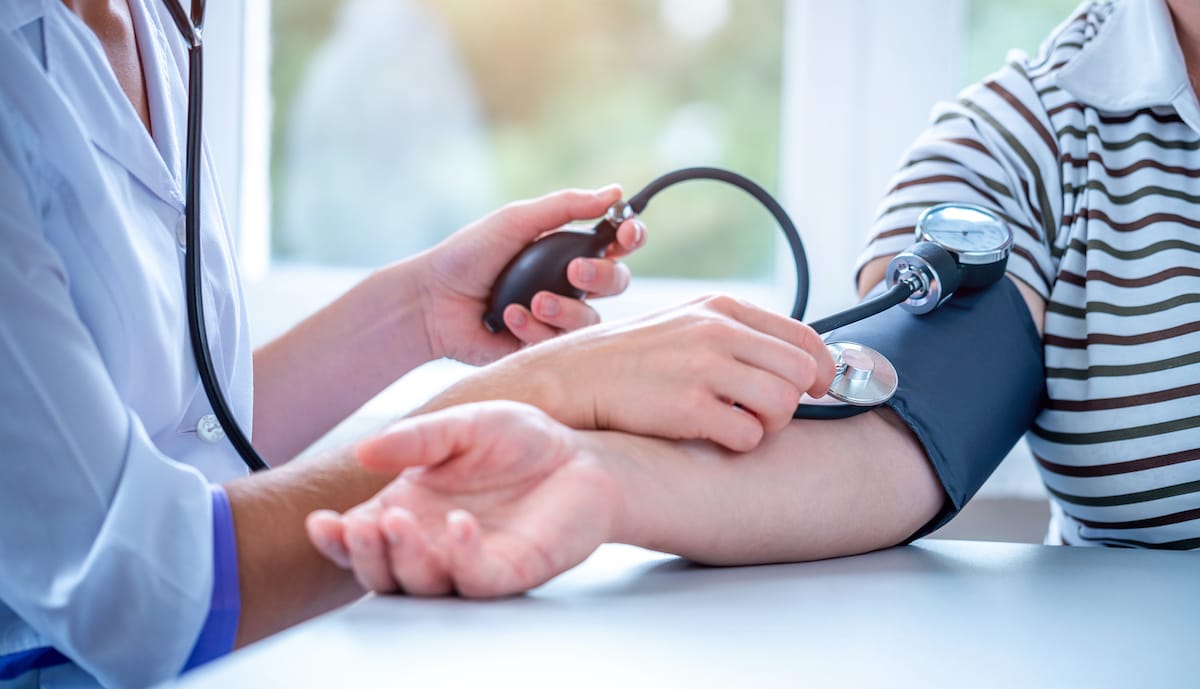
Higher blood pressure at night than in daytime may be a risk factor for Alzheimer's disease in older men, new research has revealed.
Under healthy conditions, blood pressure varies over 24 hours, with lowest values reached at night. Doctors call this nocturnal blood pressure fall 'dipping'.
However, in some people, this pattern is reversed and their nocturnal blood pressure is higher than in daytime. This blood pressure profile is known as 'reverse dipping’.
From being a London-based community group, LEGS has now taken that sense of community onto a national scale by moving its neurophysio exercise sessions online. NR Times finds out about its expansion.
Having gone into the pandemic as a small community exercise group for people with neurological conditions, LEGS has now become an online rehab resource for people throughout the UK.
Initially holding sessions in a studio in Westminster, enabling people from the surrounding area to access its specialist physio-led supported exercise and social opportunities, its rapid transition to taking sessions online has seen the LEGS operation having to grow in tandem.