Last month saw the publication of the UK Rare Diseases Framework, setting out the national vision on how the UK will improve the lives of people living with rare diseases.
Elysium Neurological welcomes this important publication which aims to ensure a coherent and streamlined way of diagnosing, treating and caring for patients who are living with a rare disease. By putting patients’ needs first and promoting collaboration between healthcare bodies and professionals, it is an important step towards ensuring that no-one living with a rare disease misses out on the vital care and support that they need.
After Craig Pankhurst had a stroke, he saw the need to promote a greater positive outlook amongst survivors. Here, the successful former athlete and businessman discusses his new venture - A Stroke of Luck, a charity dedicated to post-stroke exercise-based recovery - and why survivors need their very own A Teams.
With a background as an elite international swimmer and successful business owner, it’s little surprise that Craig Pankhurst is pushing forward his latest venture with the drive and determination which have been the staples of his professional life so far.
But his latest venture is one with a difference - far from the high-pressured worlds of top-level sport and corporate demands, Craig is now creating significant momentum around a charity which seeks to support people in rebuilding their lives after a stroke.
The use of ‘telestroke’ is improving outcomes and survival chances for stroke patients, new research has concluded.
A newly-published study shows that people who receive stroke care at facilities that offer consultations via stroke telemedicine, known as telestroke, fare better than patients who get stroke care at places without such services.
The study is the first analysis of telestroke patient outcomes. It shows that those who get care at hospitals that offer telemedicine for stroke assessment receive superior care and are more likely to survive strokes than patients who went to similar hospitals without telestroke services.
When David was left with a serious brain injury after a road collision, he faced a huge uphill battle to try and rebuild his life - but having achieved several milestones, including regaining the ability to talk, his progress continues. Here, his team at Askham Rehab tell David’s recovery story so far.
Having been left with a brain injury following a serious road collision, David is now rebuilding his life with the support of a specialist rehab community.
It was in 2017 when David, a carpenter in his early 30s, was left with life-changing injuries when his car hit a lorry.
Football fan and specialist brain injury lawyer Ipek Tugcu has become a leading analyst of the concussion in sport debate. Here, she discusses the crucial issue of player safety with NR Times.
Whether you’re a football fan or not, you’re likely to have seen that the sport has recently been in the headlines for all the wrong reasons.
The focus has been on how football has dealt with the increased risk of neurodegenerative disease suffered by professional players. The quick answer? Not well.
I initially became involved in this campaign as I was a football fan and also work as a brain injury lawyer, representing those harmed by medical negligence or an accident.
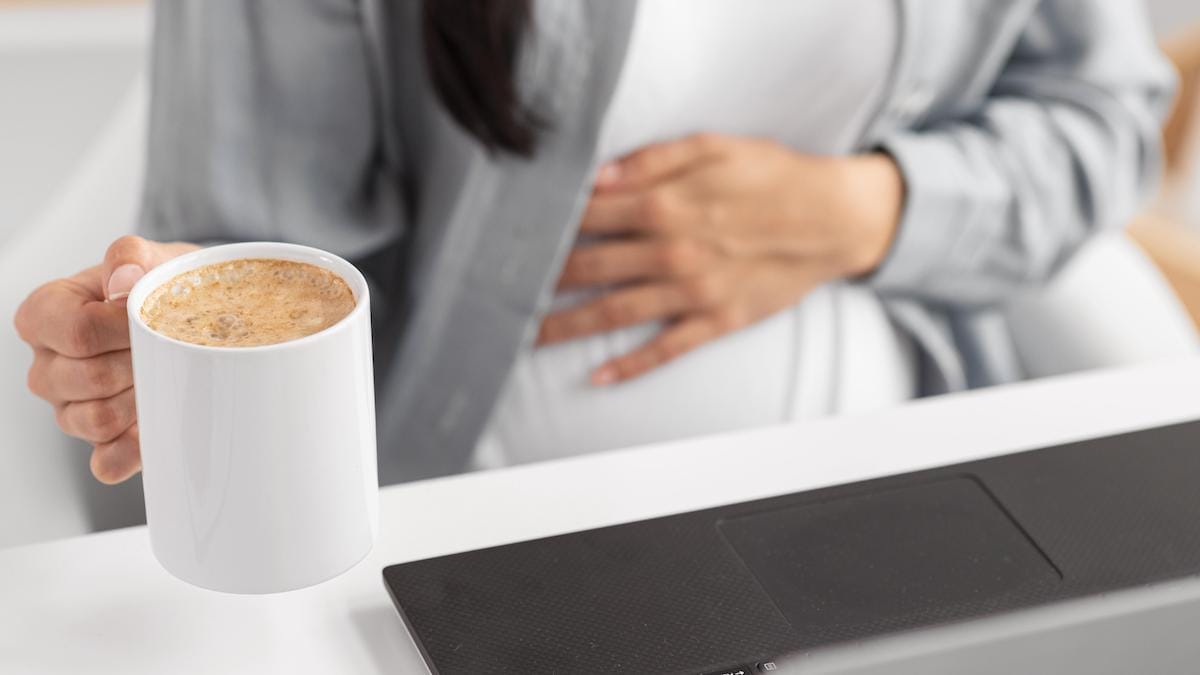
Caffeine consumed during pregnancy can change important brain pathways that could lead to behaviour problems later in life, new research has concluded.
The study analysed thousands of brain scans from nine and ten-year-olds, and revealed changes in the brain structure in children who were exposed to caffeine in utero.
"These are sort of small effects and it's not causing horrendous psychiatric conditions, but it is causing minimal but noticeable behavioural issues that should make us consider long-term effects of caffeine intake during pregnancy," says Professor John Foxe, director of the Del Monte Institute for Neuroscience at the University of Rochester Medical Centre (URMC).
Aerobic exercise could help slow memory loss for older adults living with Alzheimer’s disease, new research has found.
A pilot randomised control trial was conducted that included 96 older adults living with mild to moderate Alzheimer's dementia.
Participants were randomly selected to use either a cycling (stationary bike) or stretching intervention for six months. Using the Alzheimer's Disease Assessment Scale-Cognition (ADAS-Cog) to assess cognition, the results of the trial were hailed as “substantial”.
The six-month change in ADAS-Cog was 1.0±4.6 (cycling) and 0.1±4.1 (stretching), which were both significantly less than the expected 3.2±6.3-point increase observed naturally with disease progression.
An experienced case manager has set up her own business, building on her existing reputation and expertise in complex neurological work.
Caroline Phelps has established Phelps Case Management Consultants, which will specialise in psychologically complex work, including working with clients with dual diagnoses, as well as offering vocational rehabilitation.
Both areas are said to be under-represented in the case management field - with Caroline saying vocational rehab provision is “shockingly sparse” in brain injury work - which is where her business will help to provide a solution.
Caroline, who has worked in case management since 2016, has 15 years of experience working in the field of rehabilitation prior to that time.
A leader in rehab tech has formed a new research partnership to help advance its globally-significant work into delivering patient rehabilitation.
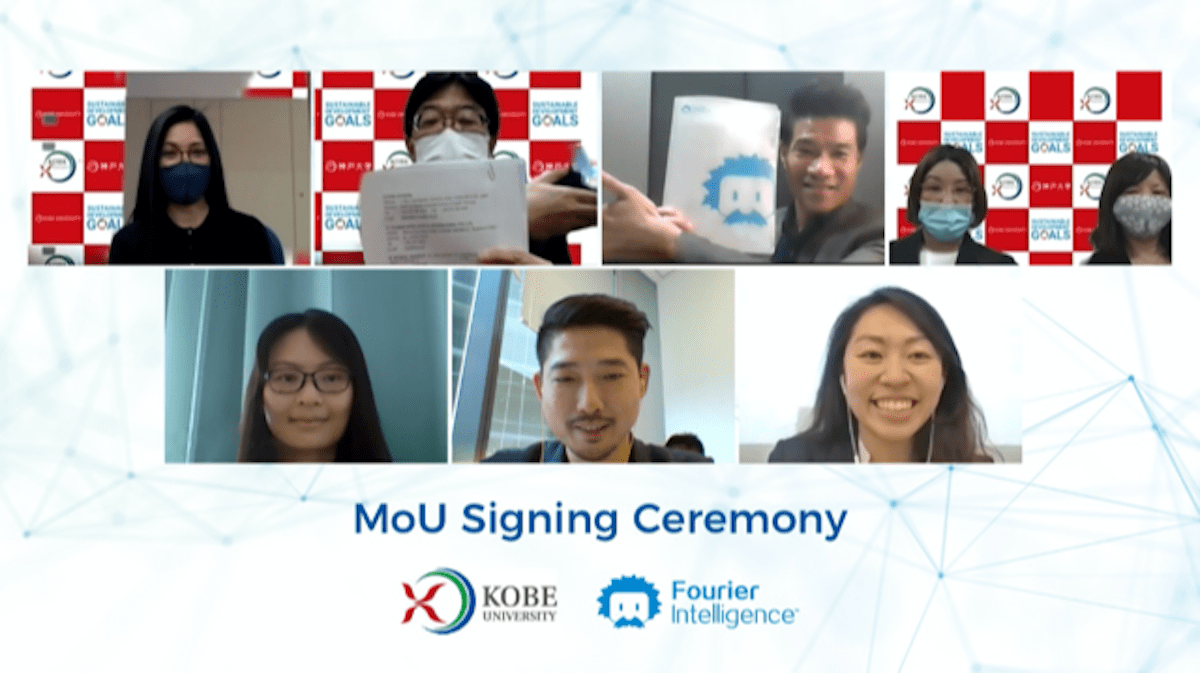
Fourier Intelligence has partnered with Kobe University, Japan, to promote advanced rehabilitation technology and integrate group therapy into the clinical setting.
Fourier Intelligence said the Memorandum of Understanding partnership will help to advance its global vision in promoting accessibility and adoption of rehabilitation technology.
The research will focus on efficacy research on the upper limb robotics for patients, with the long-term aim that the partnership will collaborate on multi-centre trials that will involve Fourier Intelligence’s extensive global network of researchers and laboratories.
Charity Parkinson’s UK is to launch a new company dedicated to driving forward research into Parkinson’s disease.
Vivifi Biotech has been created to lead and plan preparations for a new trial into the role of the restorative protein glial cell-derived neurotrophic factor (GDNF) in Parkinson’s.
Launched through the charity’s drug development arm, Parkinson’s Virtual Biotech, up to £800,000 will be invested over the next two years as efforts continue to find a life-changing new treatment for people living with the disease.