Immune cells in the blood influence the brain during early development of Parkinson's disease, new research has found.
Until now, Parkinson’s disease has always been considered a brain disorder, but through new research into a sleep disorder, a close link has been established between the disease and certain immune cells in the blood.
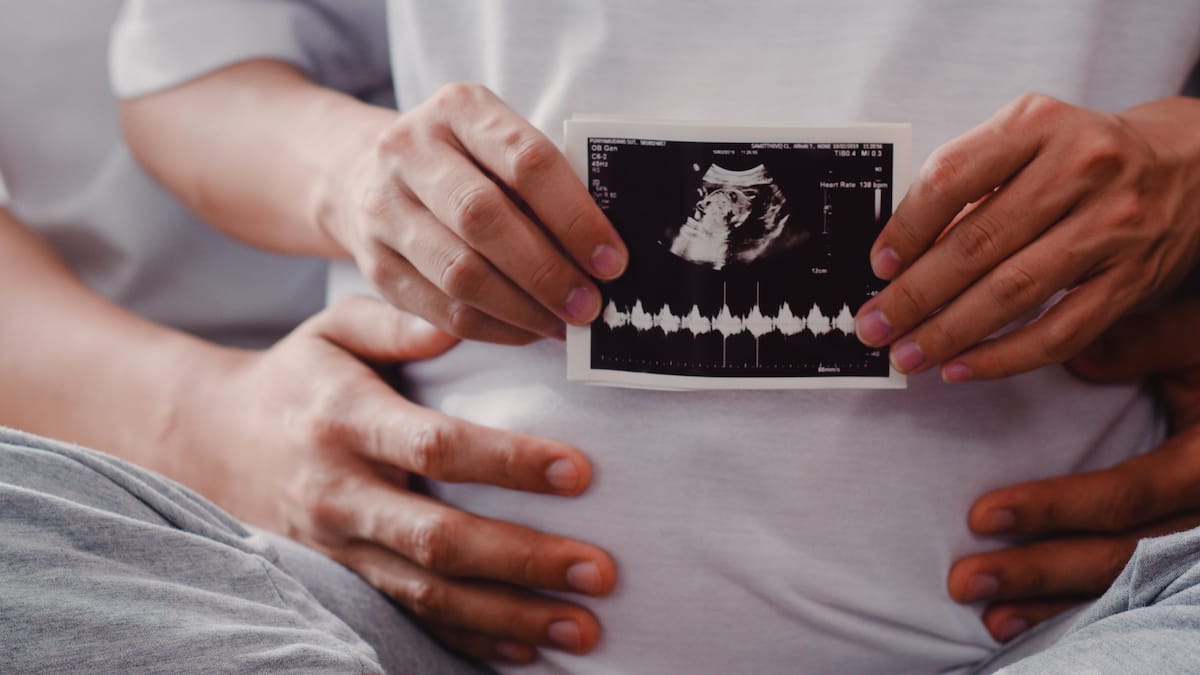
Women with multiple sclerosis (MS) may not be at a higher risk of pregnancy complications like gestational diabetes, emergency caesarean section or stillbirth than women who do not have the disease, new research has found.
However, the study did find that babies born to mothers with MS had a higher chance of being delivered by elective caesarean section (c-section) or induced delivery, and of being small for their age when compared to babies of women who did not have the disease.
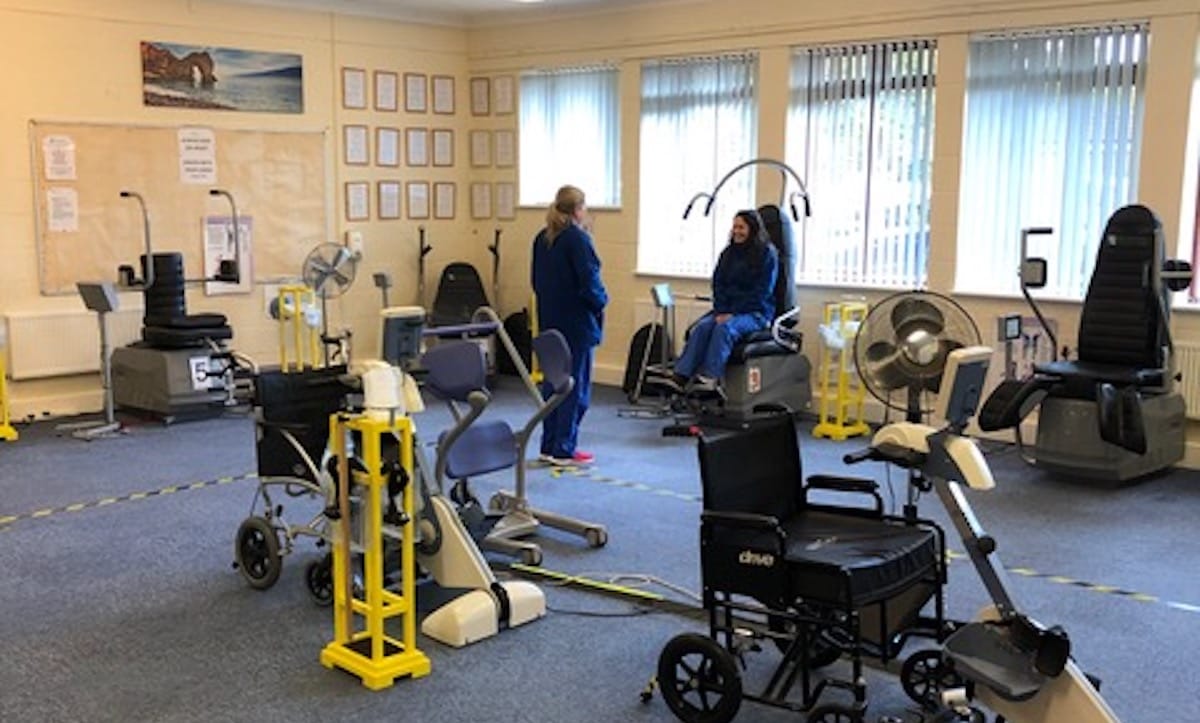
A community therapy centre which enables neuro patients access to the physio-led exercise which can support their recovery continues to expand in response to demand for its services.
West Berkshire Therapy Centre was opened in 2014 to bridge the gap in existing community resources, and initially opened for 20 hours a week with ten items of equipment.
Since that time, the Thatcham centre has expanded into premises twice the size of its initial home, and now has 17 items of equipment which clients can access 35 hours each week.
An online brain assessment platform has secured funding to enable its work in telehealth to continue to support people as the world emerges from the COVID-19 pandemic.
Cambridge Brain Sciences (CBS) is planning to expand its operation through a funding round from Canadian Shield Capital, a Toronto-based private equity investment firm, closely aligned to Hatch, a global engineering consultancy.
The investment will allow Candian-based CBS to further its work in digital health, especially around mental health, and respond to the need for accurate and reliable quantified measures of brain function and brain health - hailed as being essential to so many people who have suffered psychologically from the effects of COVID-19.
Through community speech and language therapy continuing even during the height of lockdown, many patients received a “massive boost” from the progress being made in regaining or maintaining their communication and swallowing abilities.
While many therapies were stopped or conducted remotely, speech and language therapy (SLT) continued in-person throughout the pandemic, supporting people in their recovery from brain injury or stroke, as well as working with those with progressive neurological conditions.
Intravenous injection of bone marrow derived stem cells (MSCs) in patients with spinal cord injuries led to significant improvement in motor functions, new research has found.
For more than half of the patients, substantial improvements in key functions — such as ability to walk, or to use their hands — were observed within weeks of stem cell injection, the study from Yale University reports.
A family whose beloved husband and father had a stroke are fundraising for the neurological centre where he currently resident, after being impressed by the “amazing” standards of care.
Fraser Millar needed life-saving brain surgery in November last year and is now in Woodlands Neurological Care Centre in York, receiving intensive rehabilitation to aid his recovery.
Woodlands, a level two neurorehabilitation centre which is part of Active Care Group, specialises in maximising recovery and independence and sets patients rehabilitation goals that promote re-enablement and enhance quality of life.
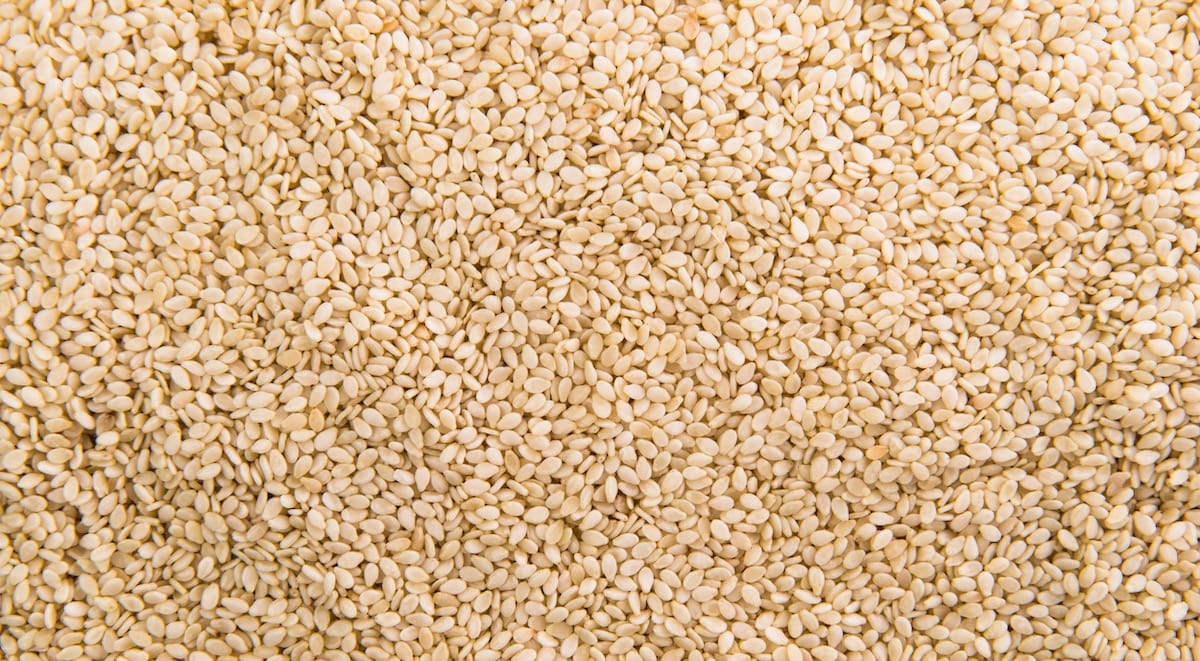
A chemical commonly found in discarded waste from the sesame seed oil manufacturing process could have protective effects against Parkinson’s disease, new groundbreaking research has found.
Sesaminol, abundant in the empty shells of sesame seeds which are discarded after the fatty oils are extracted, could have a role to play in protecting against neuron damage in the brain, researchers from Osaka City University have revealed.
A man whose frustration at the lack of cohesion within stroke care spawned the development of an award-winning app has now developed a platform to enable this revolutionary approach to be extended throughout the neuro sector.
Neuro ProActive has been created to enable a fully multi-disciplinary approach to rehabilitation, covering both inpatient and community care and involving patients and their families in the process.
Through the app, therapists can use end-to-end encrypted messaging and video calling to offer remote services and patient monitoring - factors which were planned before the pandemic, but have now taken on new importance within rehabilitation care.