



Smarter rehab
Technology such as VR, robotics, apps and brain implants, adopted where it helps.
 Stroke21 Nov
A robot exoskeleton is revealing hidden sensory losses in stroke patients, helping explain why some survivors struggle to fully recover movement. The technology can identify proprioception problems, the body’s sense of limb position and movement, without requiring patients to move the affected arm, making assessments easier in clinics. Proprioception lets us know where our limbs [...]
 Smarter rehab10 Nov
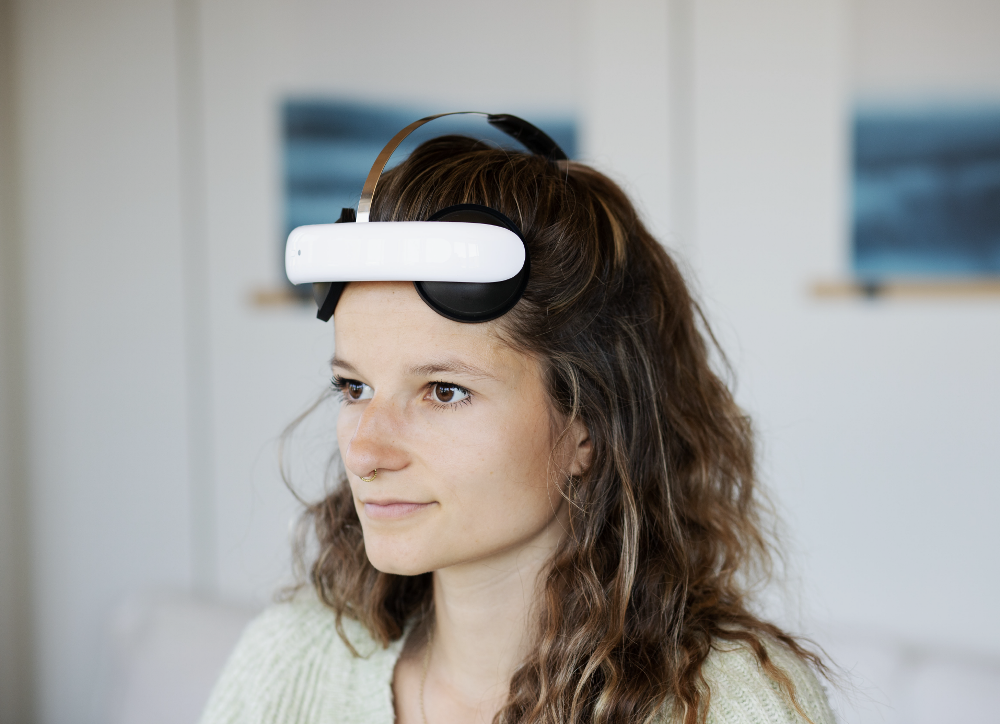
At-home brain stimulation can prevent relapse of major depressive disorder in 75 per cent of patients, a new study has found. The PSYLECT study tracked the long-term effects of home-based transcranial direct current stimulation (tDCS) therapy combined with online behavioural support. The findings revealed that non-drug, at-home treatment could help many patients maintain recovery from [...]
 Research4 Nov
A study using wearable brain-scanning technology has revealed how brain function differs in people with multiple sclerosis. This research marks the first use of a newly developed technique called OPM-MEG in MS, demonstrating its potential to study neurological disease. OPM-MEG (magnetoencephalography with optically pumped magnetometers) measures electrical brain activity in real time by detecting magnetic [...]
 Research4 Nov
Researchers have received US$4.4m to conduct a world-first study of prefrontal cortical stimulation in severe bipolar disorder. The funding, from Breakthrough Discoveries for Thriving with Bipolar Disorder (BD²), will support research into how large-scale brain networks regulate mood and how manipulating these networks may contribute to shifts between depression and mania – the extreme mood [...]
 Neuropsychology29 Oct
A comprehensive review published yesterday (Oct 28) has offered new insights into cutting-edge techniques that could help treat people with obsessive-compulsive disorder (OCD) who haven't responded to conventional therapy. The review examines three neuromodulation approaches that are transforming how clinicians treat severe OCD cases. OCD affects roughly two per cent of the population, causing intrusive [...]
 Parkinson's29 Oct
A smartphone platform that helps doctors monitor Parkinson’s symptoms has raised US$5.6m to expand its commercial capacity and advance dementia-monitoring technology. The funding brings total investment to US$11.2m for the clinically validated system, which uses smartphones to track changes in movement, speech and cognition. Kneu Health’s platform includes a tremor measurement tool cleared by the [...]
 Stroke22 Oct
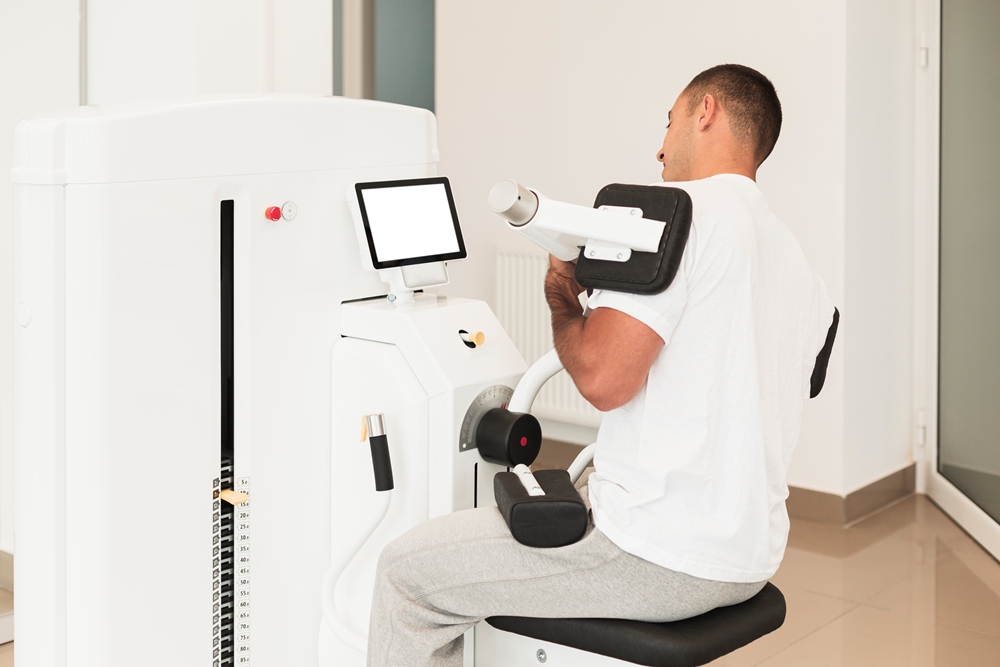
NR Times explores the latest business and pharmaceutical developments in the world of neurorehabilitation. New partnership to distribute of MedRhythms devices for stroke and Parkinson’s Neurorehabilitation company MedRhythms has entered a strategic partnership with Edwards Health Care Services (EHCS), a leading provider of direct-to-home medical products. The partnership enables nationwide distribution of MedRhythms' currently available [...]
 Stroke22 Oct
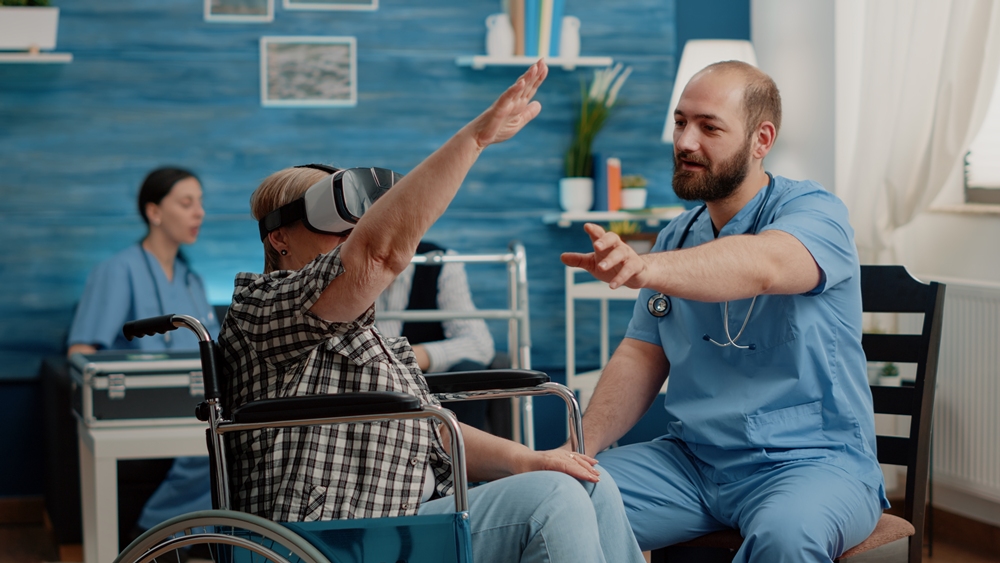
A new virtual reality training task developed by researchers in Finland shows promise for helping stroke survivors with visuospatial neglect, a condition that affects awareness of one side of space. The VR-based rehabilitation tool combines audiovisual cues with physiotherapy exercises to support recovery. Visuospatial neglect (VSN) affects about 30 per cent of stroke survivors and [...]
 Stroke14 Oct
Neurotechnology company Reneural is transforming stroke rehabilitation with a new digital health initiative that utilises virtual reality (VR) technology. NR Times editor Stephanie Price speaks to co-founder Heraldas Gaspariunas (above left), COO, and Victor Harabari, CEO (above right), to find out more. Technology has seen rapid advancements over the last few decades that are now beginning to [...]
 Parkinson's3 Oct
Deep brain stimulation has been shown to ease symptoms and improve quality of life for people with Parkinson's, with benefits lasting five years, a major US study has found. The trial, conducted across 23 movement disorder centres, was the largest prospective long-term study of deep brain stimulation (DBS) for Parkinson's disease. Nearly 200 patients received [...]


