



Smarter rehab
Technology such as VR, robotics, apps and brain implants, adopted where it helps.
 Brain injury22 Jan
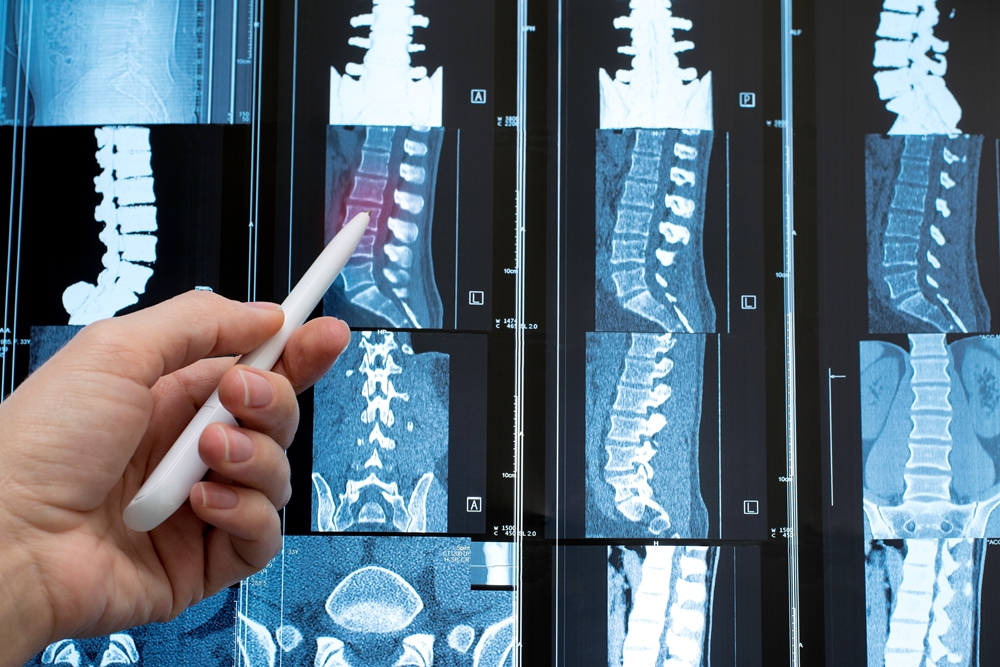
Two people with spinal cord injuries have received BCI therapy, a brain-computer interface designed to restore movement. The procedures bring the total number of people to receive ONWARD Medical's investigational ARC-BCI system to seven. A brain-computer interface allows direct communication between the brain and external devices, translating brain signals into commands that can control movement. [...]
 Tech & industry21 Jan
OpenAI has invested in co-founder Sam Altman's brain-computer interface startup Merge Labs. The generative AI provider was a major investor in the company's US$252m seed round. A brain-computer interface allows direct communication between the brain and external devices. The potential for an investment was rumoured in the middle of last year. OpenAI said [...]
 Stroke19 Jan
A new wearable device could help stroke survivors communicate, offering speech support without implants. The device, called Revoice, uses ultra-sensitive sensors and artificial intelligence to decode speech signals and emotional cues so people with post-stroke speech impairment can communicate. Worn as a soft, flexible choker, it captures heart rate and tiny vibrations from throat muscles, [...]
 Multiple sclerosis14 Jan
Two companies are collaborating to develop AI-driven MS therapies targeting myelin repair in multiple sclerosis and related disorders. By combining two distinct artificial intelligence platforms, the companies hope to create the first treatment capable of actively restoring the protective myelin coating around nerve fibres, potentially reversing neurological symptoms that current medications cannot address. The collaboration [...]
 Brain injury13 Jan
A tiny head impact sensor that detects dangerous blows instantly could reshape safety monitoring in sport, transport and other high-risk settings. The device acts like a safety switch that activates in response to sudden acceleration (a rapid change in speed), sensing forces from any direction and gauging their severity in real time. Roughly the size [...]
 Tech & industry11 Dec
Newcastle Hospitals and Newcastle University have announced plans for the UK’s new centre of neurotechnology innovation. The National Centre for Neurotechnology and Neurorestoration will support research and delivery of the latest neurotechnologies aimed at understanding the brain, restoring function and improving health. The centre will be the first UK facility dedicated to clinical trials using [...]
 Research28 Nov
The AI neurology market will grow from US$705.6m in 2025 to US$2.5bn by 2030, driven by rising neurological disorders. The projected growth represents a compound annual growth rate of 28.9 per cent over the five-year period, as healthcare systems increasingly adopt AI tools for diagnosis and treatment of brain conditions. AI technologies are transforming how [...]
 Smarter rehab27 Nov
Rehabilitation tech company eXRt Intelligent Health has announced the upcoming launch of Resynk, a revolutionary new Platform designed to help stroke therapists deliver faster recovery to those who have suffered a debilitating stroke and meet the challenging new stroke guidelines. With Resynk, therapists can now increase therapy intensity on average 17x more, a key component [...]
 Tech & industry24 Nov
A brain-computer interface device has received FDA approval to begin human trials for speech restoration in paralysed patients. The Connexus BCI system will be tested in participants with severe motor impairment who have lost the ability to speak and move their limbs. The device is designed to record and decode brain signals, allowing users to [...]
 Neuropsychology24 Nov
AI tools that help detect strokes or seizures could worsen health disparities without safeguards, a new study warns. A report examining the technology’s growing role in brain disease diagnosis calls for safeguards to prevent vulnerable populations being left behind. While the technology has shown promise in helping doctors classify brain tumours faster and analyse stroke [...]


