



Smarter rehab
Technology such as VR, robotics, apps and brain implants, adopted where it helps.
 Multiple sclerosis6 Mar
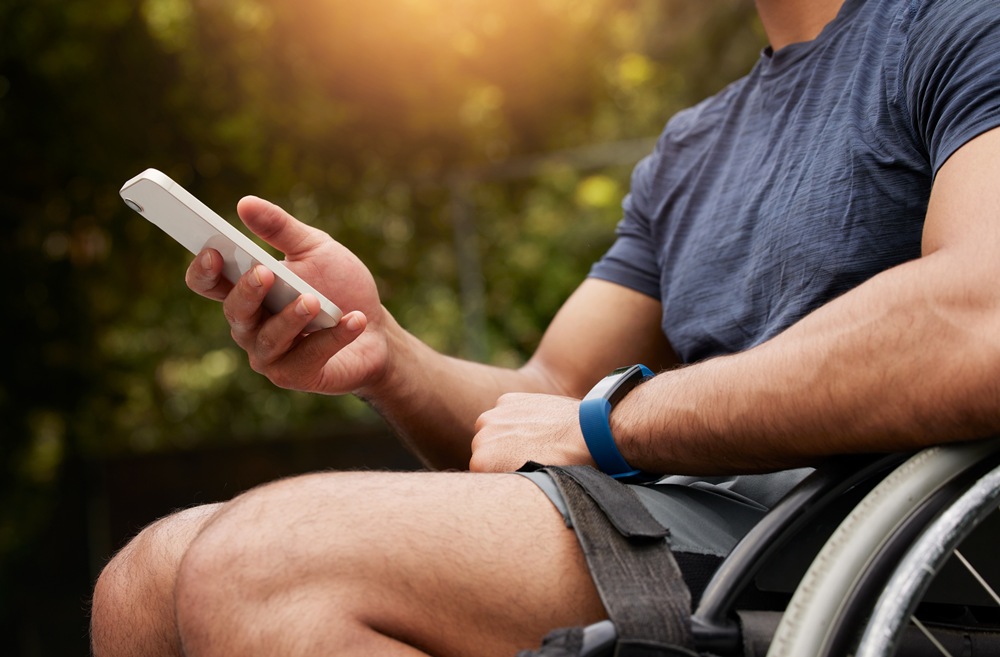
Wearable devices may help identify multiple sclerosis patients at greater risk of worsening disability and loss of brain volume, a study suggests. Researchers found people whose activity patterns changed were more likely to have worsening disability and loss of brain volume than those whose patterns changed less or not at all. The study shows an [...]
 Research5 Mar
As more people seek mental health advice from AI chatbots, new research suggests the systems are not yet ready and can fall short of professional psychotherapy ethics standards. Researchers from Brown University, working with mental health professionals, found repeated problematic behaviour even when the chatbots were prompted to use established psychotherapy approaches. In tests, chatbots [...]
 Dementia4 Mar
By Tuned Global Music in the medicine and research space has proved to have significant therapeutic benefits, treating conditions including dementia, Parkinson’s disease, PTSD and ADHD. Now, with the evolution of music technology and AI, the potential to heal the mind through music has become even more powerful. At a recent industry event, three experts [...]
 Spinal injury26 Feb
An Australian study is exploring VR for safe fall recovery among people with spinal cord injury. The University of Queensland is leading the project, which is developing a virtual reality programme to help patients practise safe falls for the first time. The work builds on seven years of research into spinal cord injury and falls [...]
 Stroke25 Feb
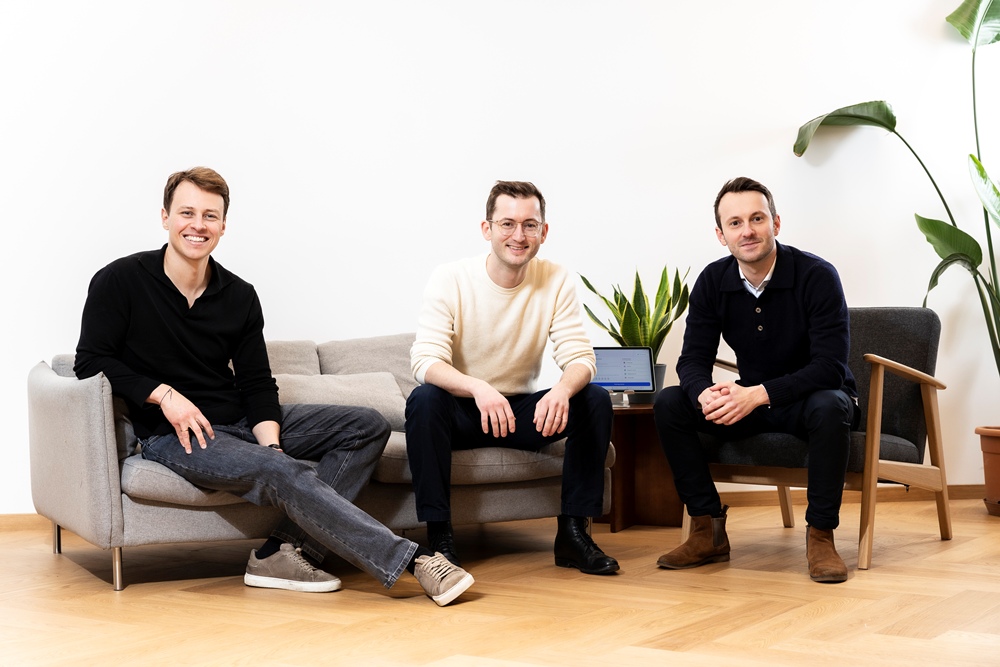
Nyra health has raised €20m in a Series A round to expand its AI-based neurorehab platform across Europe and the US. The Vienna-based company said it will use the funding to expand its technology platform in the DACH region, accelerate its US expansion and pursue its aim of setting a new standard for data-driven neurorehabilitation. [...]
 Research24 Feb
People with mental illness who use AI chatbots risk a worsening of their condition, according to a study published after screening health records from nearly 54,000 patients. Researchers reviewed electronic health records and identified cases where AI chatbot use appeared to have negative effects, primarily through worsened delusions. Delusions are fixed false beliefs held despite [...]
 MND / ALS12 Feb
A musician with MND returned to the stage after AI recreated his singing voice. As reported by the BBC, Patrick Darling, 32, from Bristol, has been a singer and composer since the age of 14 but was diagnosed with the degenerative condition at 29. He described losing the ability to sing and play instruments as [...]
 Dementia11 Feb
By SweetTree Home Care Services As the home care industry evolves, so do the many solutions on offer for those with additional needs, with technology playing a big role in this growth. Working in cooperation with SweetTree Home Care services, the technology support service JC Explore is one of the many organisations pushing for the integration [...]
 Stroke4 Feb
By eXRt Delivering effective stroke rehabilitation is difficult for therapists. Therapists are increasingly expected to support more patients, across different settings, while maintaining evidence-based practice and high standards of care. Resynk has been designed with these challenges in mind, providing therapists with a flexible, scalable and clinically aligned solution for delivering stroke rehabilitation more effectively. [...]
 Stroke4 Feb
A smartwatch app that tracks social contact in hospitalised stroke survivors may aid recovery, new research suggests. Researchers developed SocialBit, a machine learning app for Android smartwatches that detects social interactions in people with and without neurological conditions. It is currently available only for research use. Speech and language problems after stroke are [...]


