



Smarter rehab
Technology such as VR, robotics, apps and brain implants, adopted where it helps.
 Stroke17 Jun
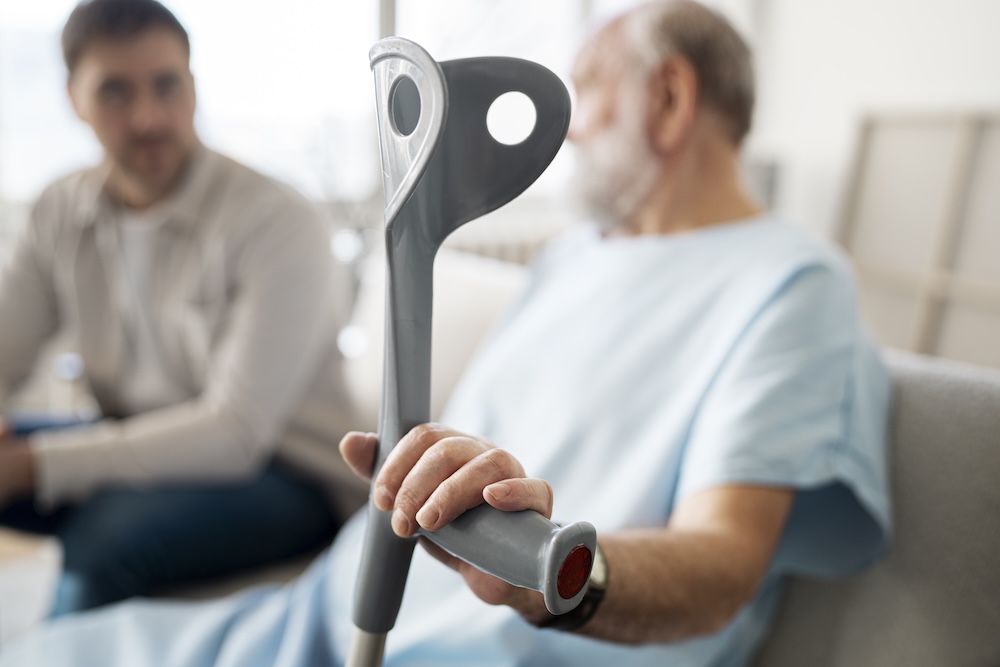
Neuro-rehab innovator Bioxtreme has launched Dextreme 2.0, an enhanced version of its robotic rehabilitation platform that combines patented Error Augmentation technology, adaptive AI and immersive 3D therapy to accelerate motor recovery after stroke and other neurological injury. The company, based in Petach Tikva, Israel, says the next-generation system is designed to improve upper-extremity recovery in [...]
 Parkinson's1 Jun
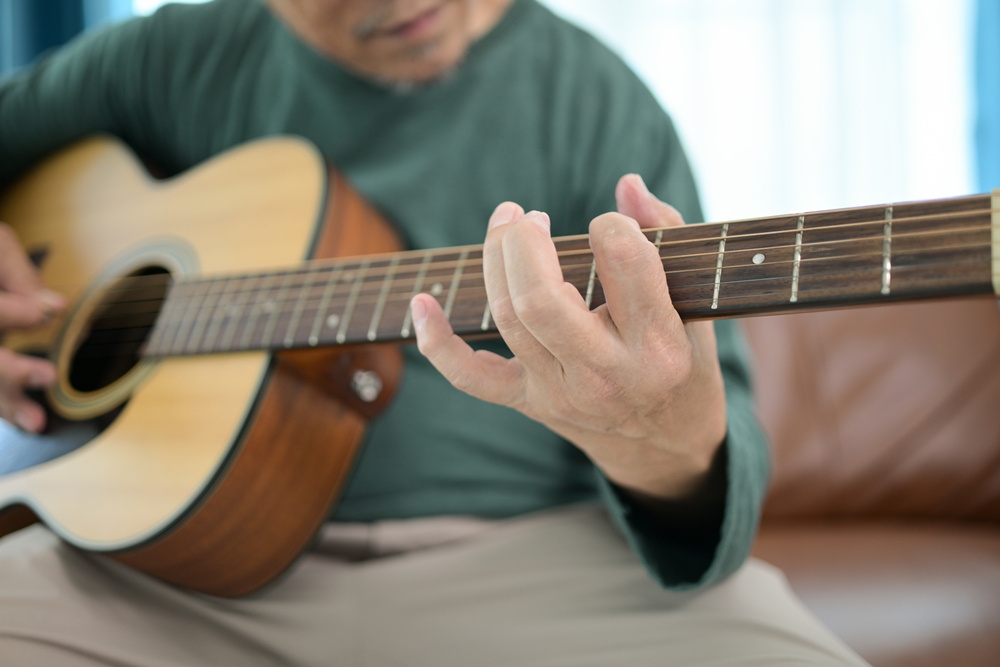
A singer with Parkinson's has used AI to continue his music career after symptoms made guitar playing increasingly difficult. London-based singer-songwriter Samuel Smith, who was diagnosed with Parkinson's disease in 2020, recently released his second album, The Art of Letting Go. For Horizon, an instrumental track on the album, Smith used AI [...]
 Parkinson's28 May
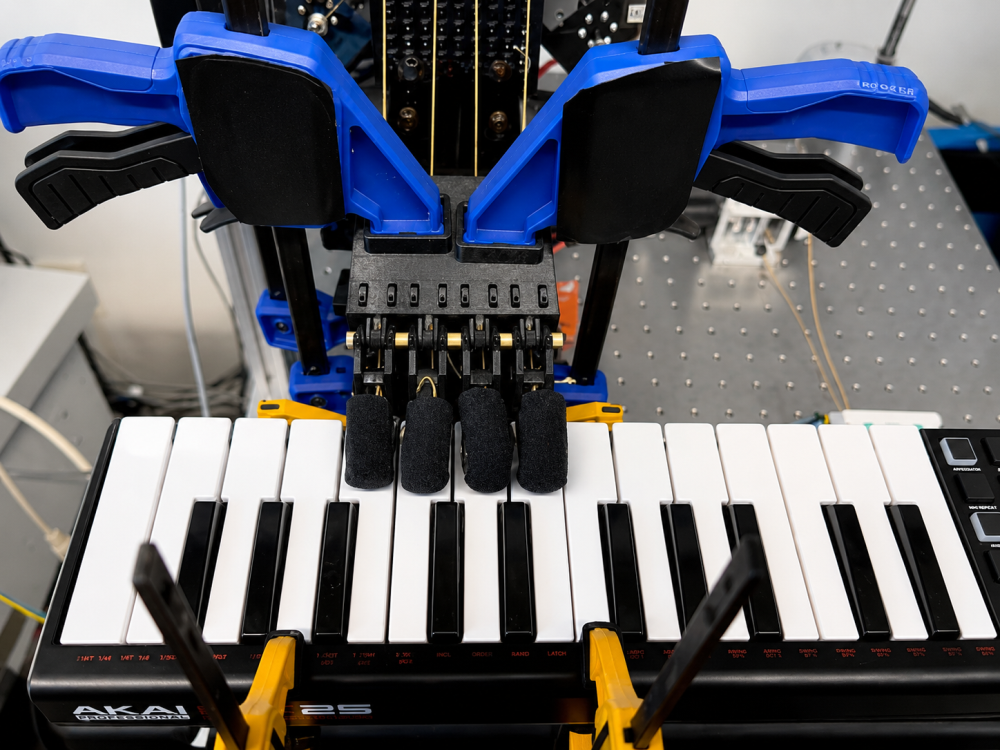
US researchers have developed a robotic hand that can hear a melody once and play it back after just two minutes of self-taught practice on a keyboard, without relying on sheet music or pre-programmed scores. The scientists say that the approach could pave the way for new Parkinson’s therapies. The hand grew so capable that [...]
 MND / ALS27 May
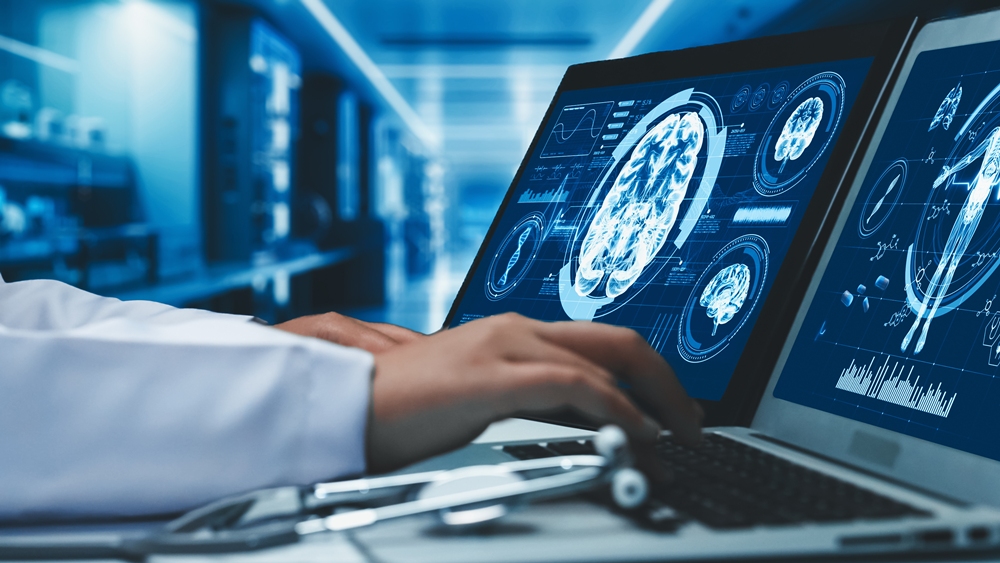
ABILITY Neurotech has announced it has received Investigational Medical Device Dossier (IMDD) approval from the Medical Research Ethics Committee (MREC) NedMec in the Netherlands to initiate the first chronic implantation study of the company’s fully implantable wireless optical-link ECoG BCI in patients with amyotrophic lateral sclerosis (ALS). ABILITY is a clinical-stage brain-computer interface (BCI) company [...]
 Brain injury21 May
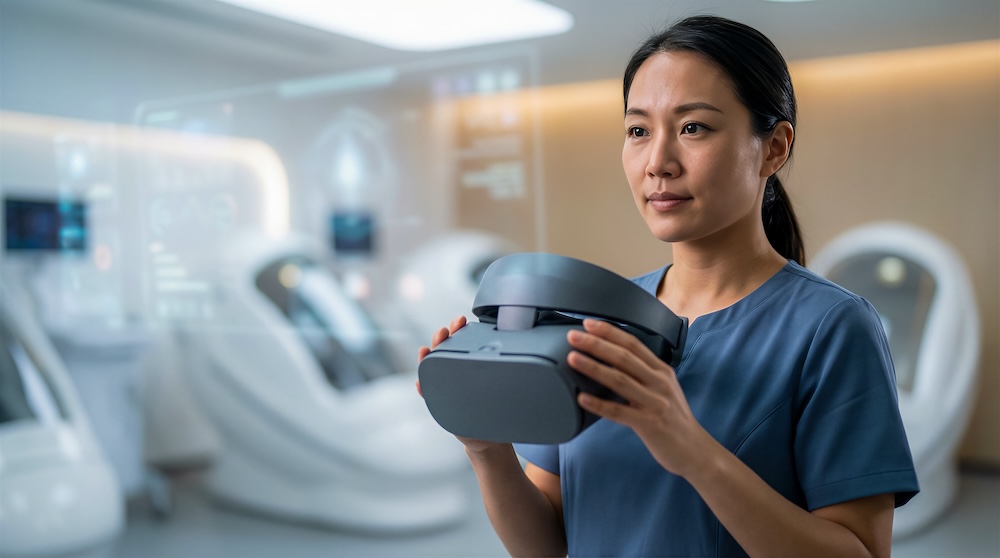
VR could help brain and spinal patients practise rehabilitation earlier and more often after serious injury or surgery, research suggests. An early-stage study looked at whether virtual reality technology could support patients recovering on busy hospital wards, where therapy time is often limited. Researchers wanted to see whether the approach could give patients [...]
 Multiple sclerosis14 May
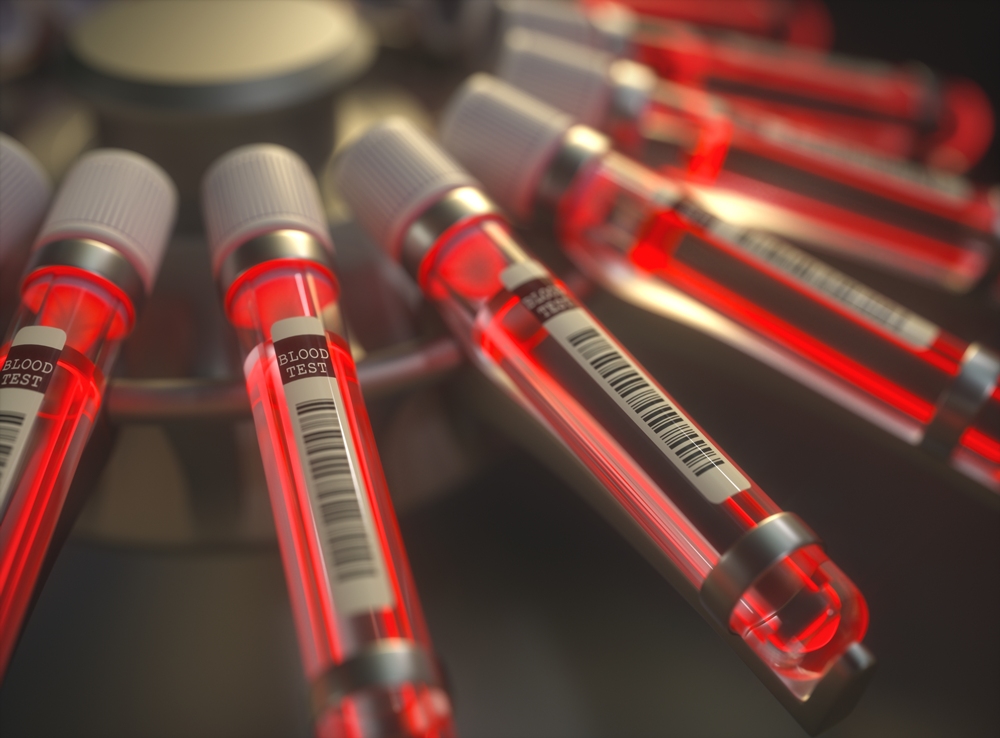
An AI partnership aims to find blood-based RNA patterns that could support earlier MS diagnosis and track disease progression. Decode Health and Circular Genomics will work together to analyse circular RNA, stable genetic molecules that may signal disease activity. The companies hope the approach could help doctors diagnose multiple sclerosis earlier and monitor how the [...]
 Spinal injury27 Apr
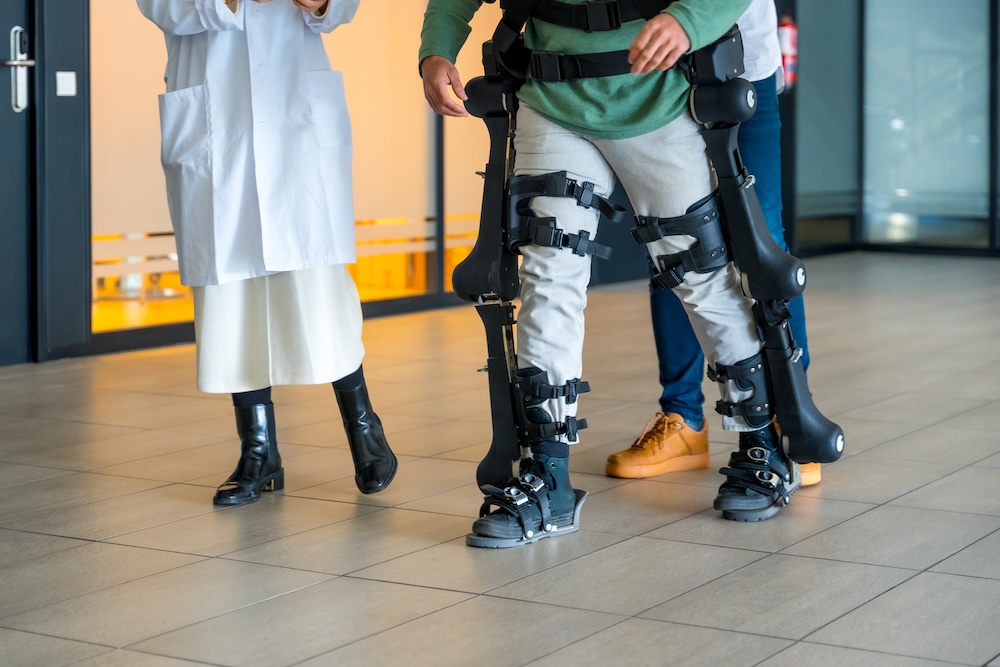
A brain-controlled exoskeleton tested in an early study may one day help people with spinal cord injury walk again. The system used brain signals to control a robotic walking exoskeleton and sent artificial leg sensations back through direct electrical stimulation, creating a two-way link. Researchers said this type of setup may help address key limits [...]
 Tech & industry20 Apr
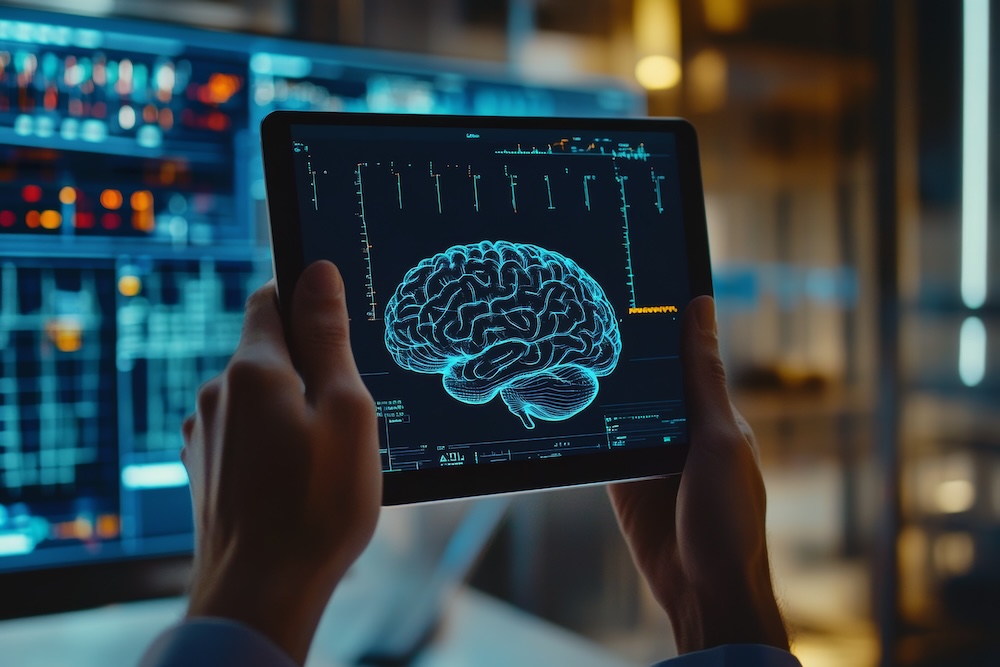
3D brain sensors tailored to each person could improve monitoring and treatment of neurodegenerative disease, researchers say. Traditional brain sensors, known as bioelectrodes, are tiny devices that track signals in the brain. They are usually made from stiff materials in a one-size-fits-all design that struggles to match the brain’s complex structure. Researchers have developed a [...]
 Stroke23 Mar
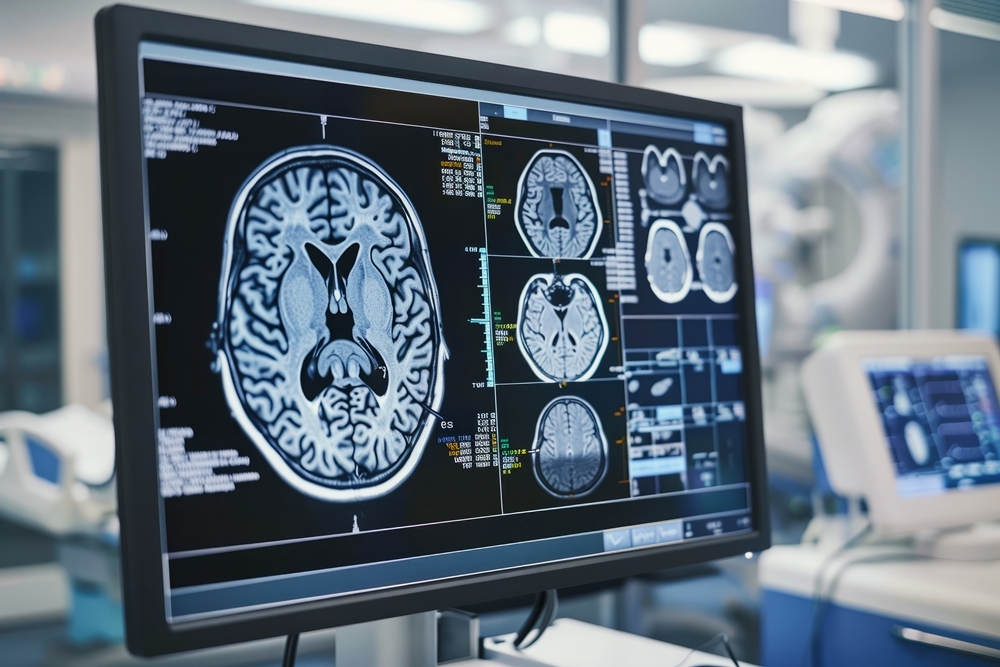
An AI tool used to assess stroke scans was linked to better stroke care and improved long-term outcomes in a large trial. The system used AI-assisted imaging analysis to classify the causes of a stroke alongside evidence-based treatment recommendations, and was tested against usual care in routine clinical practice. The trial involved 21,603 patients with [...]
 Parkinson's10 Mar
A brain implant detected walking in people with Parkinson's at home with more than 95 per cent accuracy, a study has found. Researchers said the findings could help pave the way for more personalised and responsive therapies for Parkinson's, which is caused by the loss of nerve cells that produce dopamine, a chemical involved in [...]


