



Smarter rehab
Technology such as VR, robotics, apps and brain implants, adopted where it helps.
 Brain injury16 Sep
An AI-powered platform launching this week analyses brain function in real time and is the first product designed to handle both the complexity of the brain and the dynamic nature of brain injury. The Moberg Clinical Platform (MCP) brings together data from multiple monitoring devices to track brain activity and help intensive care teams make [...]
 Parkinson's12 Sep
New artificial intelligence software can spot subtle movement changes in Parkinson's disease from video recordings before they are visible to clinicians. The technology analyses finger-tapping movements to find changes invisible to the human eye, potentially enabling earlier diagnosis and treatment. The AI system, called VisionMD, was developed by a team at the University of Florida [...]
 Spinal injury5 Sep
Two people in Toronto have become the first in Canada to receive Neuralink’s brain-computer interface implants. The procedures, carried out at University Health Network (UHN) on 27 August and 3 September, involved patients with cervical spinal cord injuries – damage to the neck that can cause paralysis in the arms and legs. Each patient received [...]
 Parkinson's3 Sep
Neuro Rehab Times explores the latest developments in the world of neurology and neurorehabilitation. Gut immune system mouse model of Alzheimer’s provided new target for therapeutics The gut immune system is altered in a mouse model of Alzheimer’s, new research has found. The research shows that some immune cells in the gut travel along the [...]
 Brain injury3 Sep
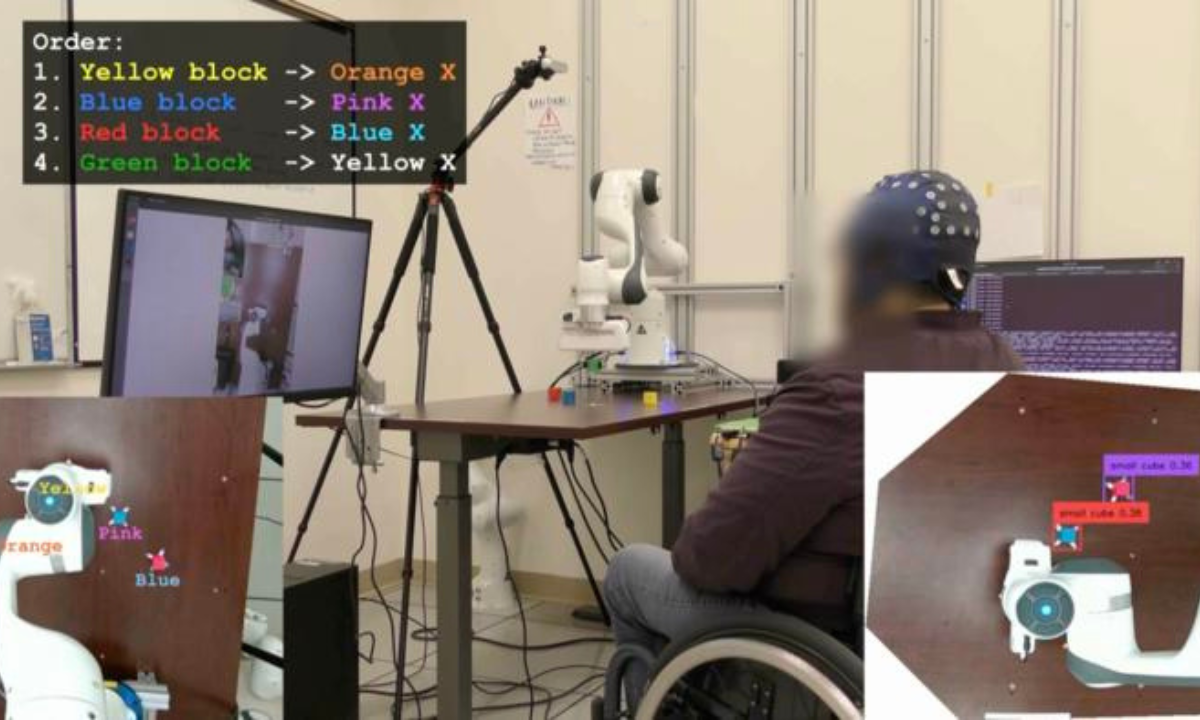
Researchers in the US have developed a wearable, noninvasive brain-computer interface system that utilises artificial intelligence as a co-pilot to help infer user intent and complete tasks by moving a robotic arm or a computer cursor. The study shows that the interface demonstrates a new level of performance in noninvasive brain-computer interface, or BCI, systems. [...]
 Stroke2 Sep
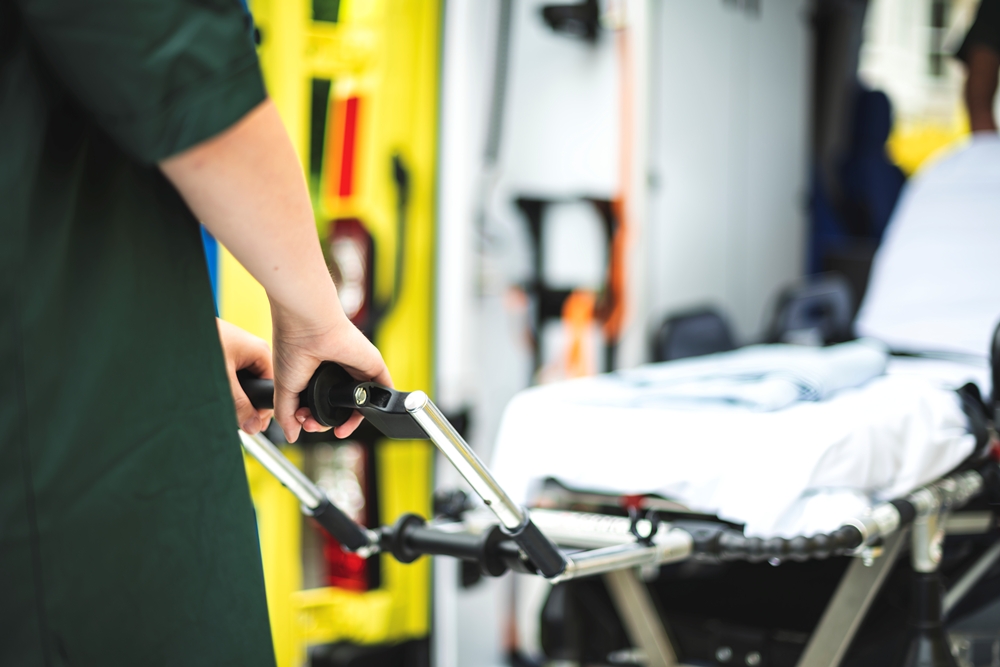
Half of all people who experience a stroke in England will now recover thanks to an AI scanning system rolled out across all 107 NHS stroke centres. The software analyses CT brain scans in about a minute, quickly telling doctors if they need to perform emergency surgery or give drugs – and can triple the [...]
 Stroke29 Aug
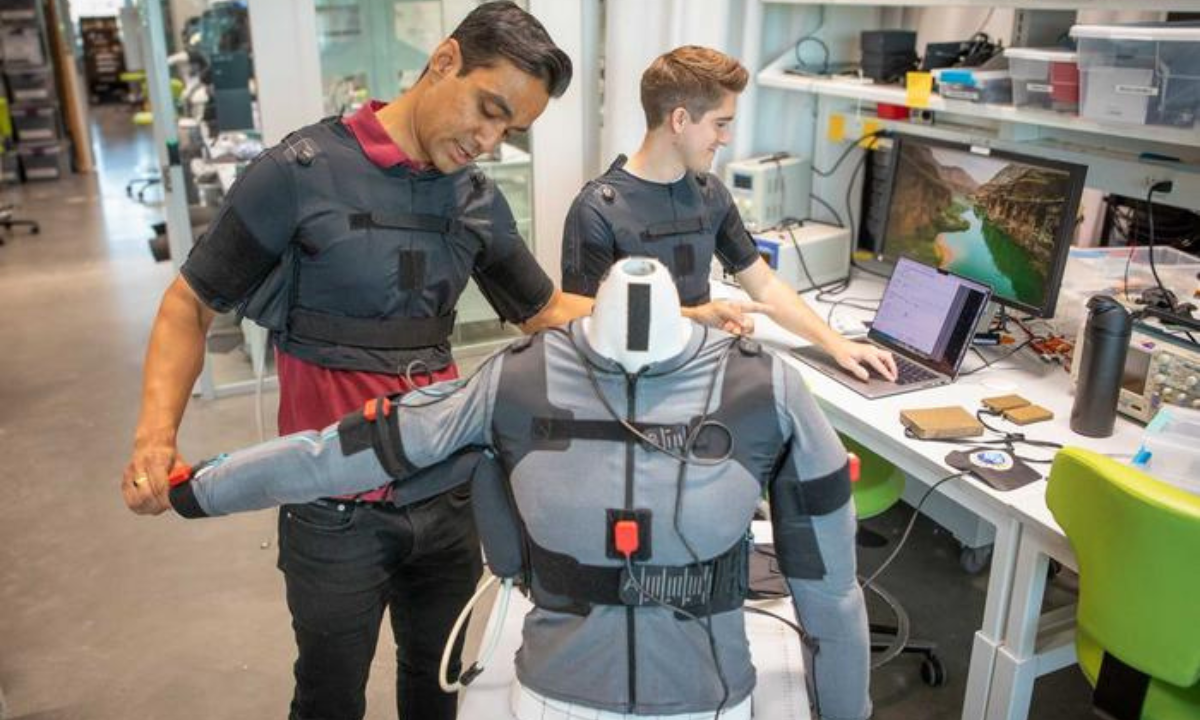
Harvard researchers have created a soft, wearable robotic device that provides personalised movement assistance for individuals with upper-limb impairment, such as stroke and ALS patients. The latest version of the robot combines machine learning and a physics-based model to learn each user’s unique movements and provide support for daily activities like eating and drinking. The [...]
 Stroke13 Aug
Stroke patients at an English hospital are getting quicker diagnoses with artificial intelligence that gives consultants instant access to brain scan images. Russells Hall Hospital in Dudley introduced RapidAI in May 2024. The system speeds up triage – prioritising patients by urgency – by sending scans directly to consultants’ mobile phones. Since its introduction at [...]
 Case management8 Aug
By Mike Mackenzie, talent acquisition, BIS Services The AI Revolution is here. In fact, even writing these words already feels archaic, with the use of this amazing technology now embedded irrevocably into every industry across the globe. From marketing to healthcare, from the stock exchange to social media algorithms, the outsourcing of menial tasks and [...]
 Parkinson's7 Aug
Artificial intelligence has been used to predict brain stimulation settings that could improve walking in people with Parkinson’s disease. Researchers at the University of California, San Francisco (UCSF), developed personalised algorithms to estimate which deep brain stimulation (DBS) settings would be most effective for each individual. In early tests, participants showed improvements in walking performance. [...]


