News
The latest news from across neurorehabilitation.
 Dementia27 Nov
NR Times reports on the Dementia Engagement Education and Research (DEER) programme, which aims to show people affected by dementia that it is possible to live well with the condition.
Rates of dementia are rising exponentially. By 2050, 153 million people are expected to be living with the condition worldwide. But a societal fear of the condition has produced a stigma that cannot easily be shaken off.
Dementia is among the public’s most feared conditions, second only to cancer. For many, a diagnosis signifies the end of their life. This fear, coupled with a lack of understanding of what it means to live with the condition, means patients are often pushed away and left feeling isolated.
 Stroke27 Nov
New technology currently being piloted by Cardiff and Vale University Health Board is helping to cut the time it takes to diagnose and treat people suspected of having a stroke.
 News16 Nov
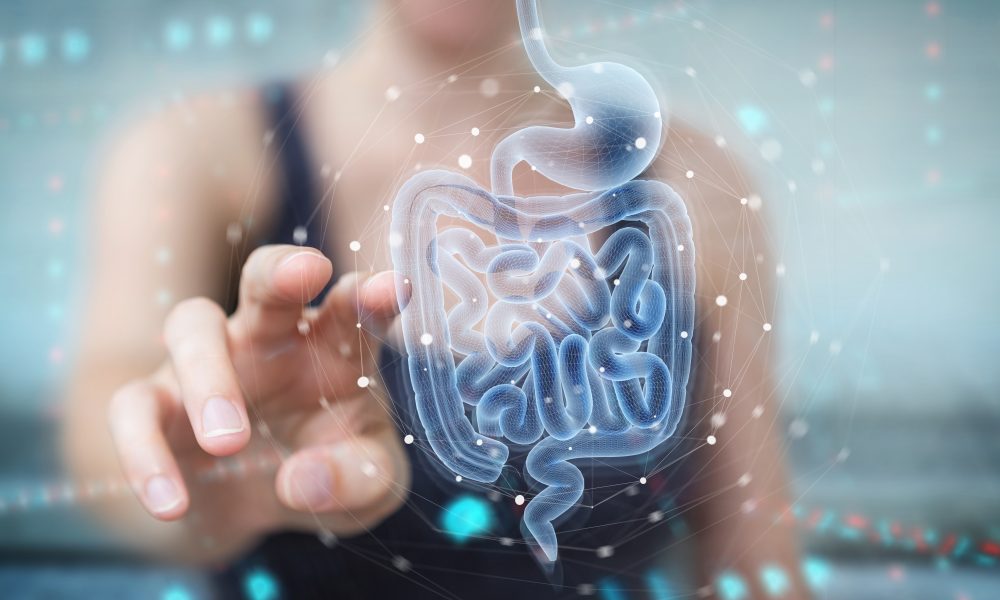
A comprehensive review into the relationship between the gut microbiome, dietary lipids and the development of Alzheimer's disease (AD) has revealed insights into potential strategies for preventing and managing the condition. The research, published in the journal Nutrients, identified modifiable risk factors that could potentially reduce morbidity and mortality of AD. One such factor is [...]
 Proving what works10 Nov
The brain injury rehab journey presents huge challenges, not just to survivors themselves but also to the numerous stakeholders working to deliver the best outcomes for their clients. In this exclusive webinar, four experts from across the rehab pathway came together to discuss what can and should be done for the brain injury community in [...]
 Smarter rehab10 Nov
A speech prosthetic developed by researchers in the US can translate brain signals into words, and could one day enable people with neurological disorders to regain their ability to communicate.
 News10 Nov
Brain injuries can be severe. Even mild concussions can see you experiencing persistent symptoms like headaches and fatigue—and while full recovery is possible, you can't expect it to be straightforward, especially since doctors currently have no clear way of estimating how the recuperation process may go. Because of this, you'll want to be alert and [...]
 Parkinson's10 Nov
Scientists in Thailand have developed lightweight and easy-to-use Parkinson's gloves that can automatically reduce tremors.
 News9 Nov
The cerebellum coordinates the brain network essential for social recognition memory, US researchers have learned. This cognitive process enables people to remember and recognise others, particularly those who they have met before.
 Neuropsychology31 Oct
Using genetic susceptibility, new study reveals sleep is likely to precede depressive symptoms, rather than the opposite