News ›
News
The latest news from across neurorehabilitation.
 Parkinson's10 Jun
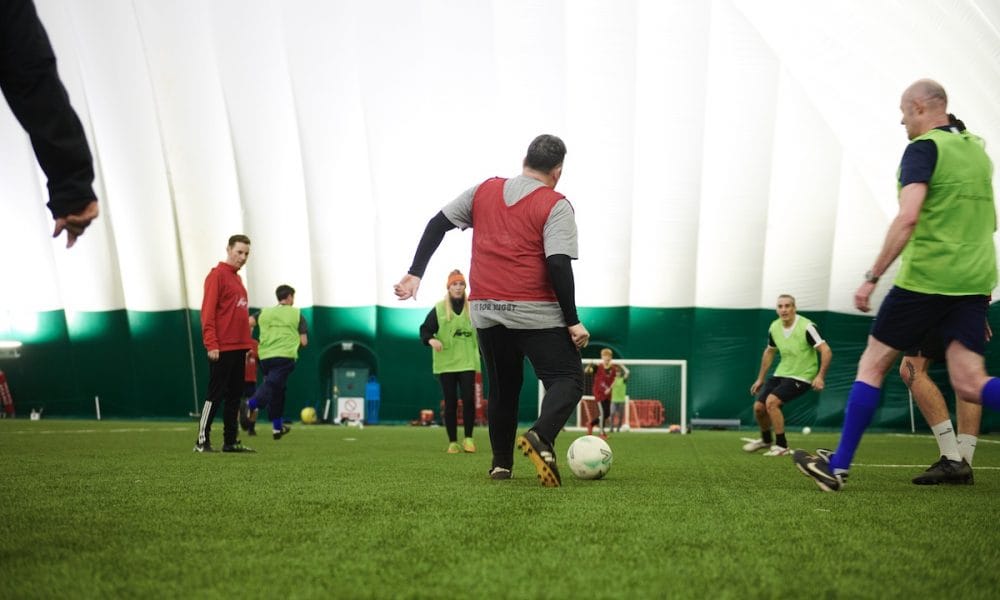
Typically when someone mentions Parkinson’s Disease the first thing people think of is muscle stiffness, tremors and slowness.
This leads a lot of people to believe that those with the condition cannot partake in any sort of sport, particularly those that are of a high intensity like football. However this has not stopped the creation of one football club in Hertfordshire that is getting those who live with Parkinson’s out on the pitch. Fighting Fit Football has been showing how exercise can alleviate symptoms by bringing people together for fun and engaging sessions each week. Brain injury8 Jun
Social workers must receive better training and information around acquired brain injuries (ABI) following the findings of a review into the death of a man in Brighton, a brain injury organisation has said.
A review into the death of a 42-year-old man - known as ‘James’ - who had an ABI, has found the current safeguarding system to be insufficient, with a lack of expert knowledge in brain injury among the agencies working to protect him. Now, UKABIF (UK Acquired Brain Injury Forum) has written to Social Work England and the Secretary of State for Health, gathering signatures from experts across health, social work and law in support of their call for improved training for social workers. James died in July 2019 and his death led to a Safeguarding Adult Review (SAR) looking at the involvement of Brighton & Hove Health and Adult Social Care, Brighton & Hove CCG/Sussex NHS Commissioners, Sussex Police, Brighton and Sussex University Hospitals Trust, Brighton & Hove Housing Department, Money Advice Plus and Brighton and Hove Safer Communities Team. News4 Jun
This Sunday, national care and rehabilitation charity British Home is launching its first National Neuro-Disabilities Day to raise awareness of living with such conditions.
For over 150 years the charity has been helping residents at its London-based home and it is now looking to use that experience to get more people talking about this. Keith Crowhurst is the organisation's director of care and he spoke about how the idea for the day came about. “It's something we've been talking about for a while now,” he said. “While reading a lot about neuro disability when we were looking to develop our own services we were quite surprised by the lack of information that was out there. News4 Jun
The UK's only medical expert witness chambers run by neurological rehabilitation professionals has appointed a new chair.
Established in 2015 by neurological rehabilitation experts Dr Edmund Bonikowski and Professor Mike Barnes, NRC Medical Experts specialises in serious neurological injuries such as traumatic brain and spinal cord injury. The organisation’s expert witnesses provide the courts with testimony and reports for claimant and defendant solicitors in very serious injury cases. Heather Lawrence OBE has now joined the medico-legal group’s board of directors to help its ongoing progress. She brings over 40 years of experience in healthcare to the organisation, including 12 years as CEO of Chelsea & Westminster Hospital, Non-Executive Director at Monitor (now NHS Improvement) and more recently as Non-Executive Chairman of the London Ambulance Service.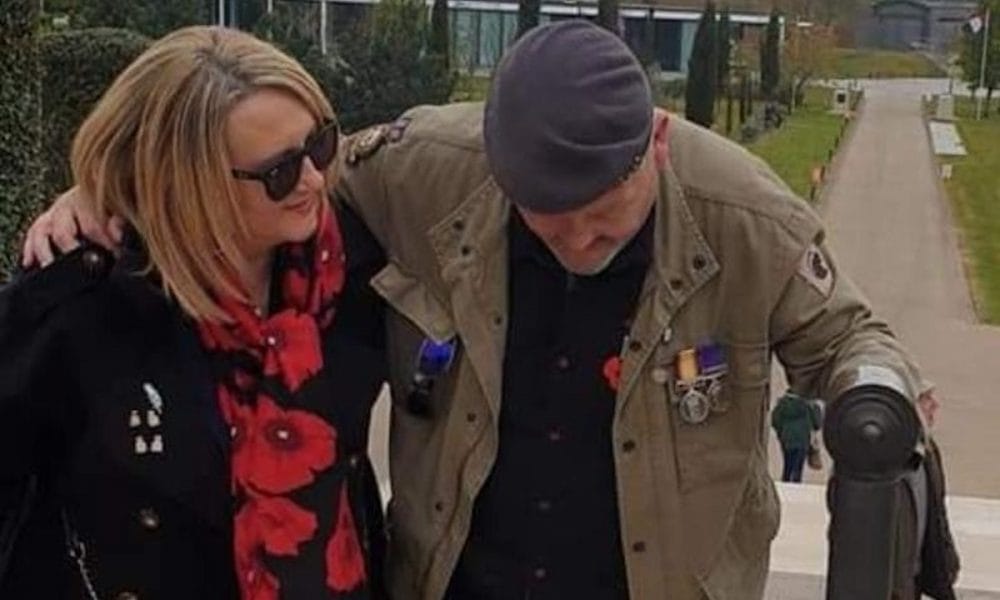 MND / ALS1 Jun
A former RAF serviceman with motor neurone disease (MND) is ticking one thing off his bucket list to raise money for charity as he completes a skydive.
51-year-old Lez Wainwright was diagnosed with the condition in February and began thinking about all the things he wanted to do in life. One of these is a skydive and even though he had served in the Royal Air Force (RAF) for nine years, it is something he has never done before. “After my diagnosis I decided to do a bucket list,” he said. “A skydive was one of the things I’ve always wanted to do. “Originally I was too scared but I thought now is my chance to get it out the way with and get it done.”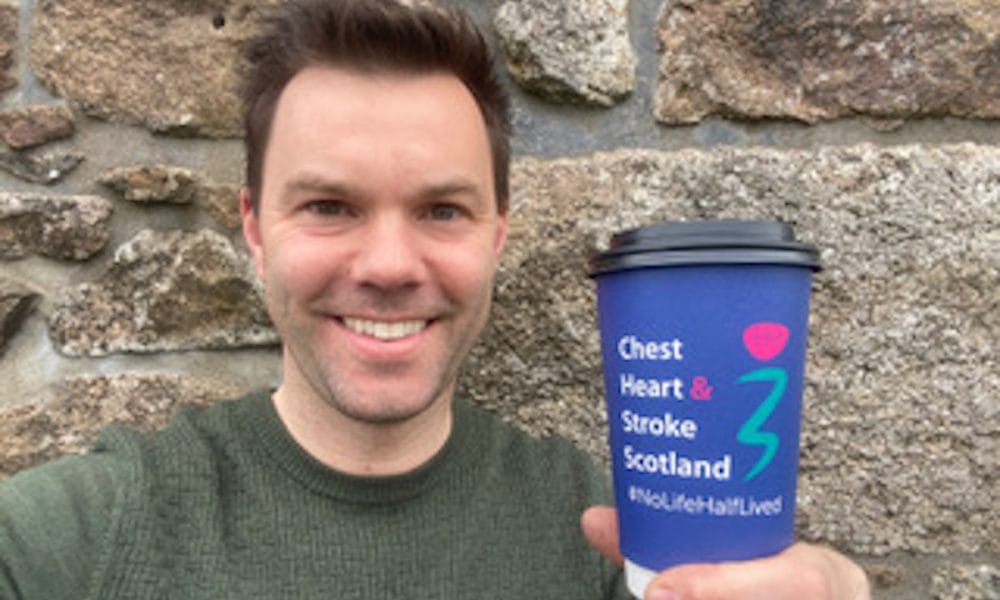 Stroke28 May
Chest Heart & Stroke Scotland is a charity designed to help victims of these conditions.
It is currently running a campaign called #NoLifeHalfLived, which is particularly applicable to Symposium Coffee founder Paul Haggath. He has been using his love for a brew to help run his Peterhead-based company since 2005. In December 2018 he was hosting some family members for the weekend where they would be visiting one of his stores for breakfast. He had been feeling particularly under the weather in the weeks previous to this, resulting in numerous trips to see his GP. News27 May
A charity which supports elderly people is calling for a ‘sustained effort’ to help improve access to mental health services.
This comes after the latest figure from NHSE shows that the number of older adults being referred to talking therapies was down by around 5,000, while cases of those reporting depressive symptoms have doubled since the pandemic began. Independent Age is a charity that offers regular friendly contacts for older people as well as a campaigning voice and free advice for things like money, benefits, care and mobility. Founded more than 150 years ago the organisation is pushing for further action to be taken to allow more older people to get help with their mental health.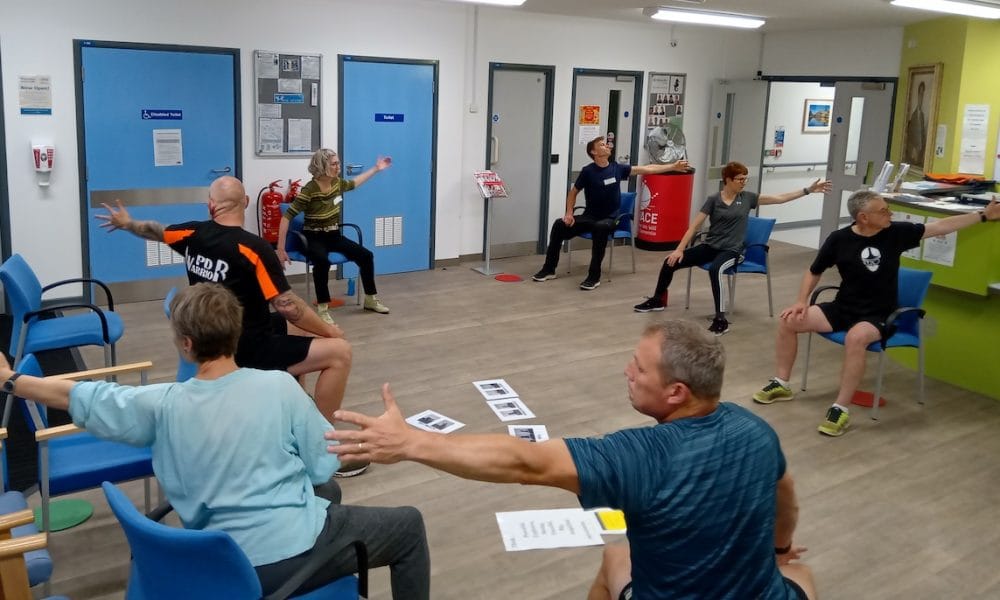 Parkinson's26 May
There are a number of methods used to treat Parkinson’s, but one emerging solution could also be the simplest.
Getting Parkinson’s patients moving and active is rapidly being recognised as one of the best possible treatments available. A number of studies have shown the benefits it can have for those with the disease, with the Parkinson’s Foundation highlighting exercise as one of the most accessible ways to help. One group putting this research into practice is PD Warrior, a foundation based on offering fitness classes for those at all stages of the condition. Research25 May
Young people have a decision making ability distinct from IQ, which is associated with good social function but may be linked to poor mental health, a new study has revealed.
The decision-making ability, called ‘decision acuity’, is a novel construct and may be underpinned by how strongly certain brain networks are connected, researchers from UCL and Karolinska Institutet found. “We worked to improve understanding of the brain underpinnings of decision-making ability in adolescence and early adulthood – a critical period of development and a common time for the emergence of psychiatric disorders,” says Dr Michael Moutoussis, of Max Planck UCL Centre for Computational Psychiatry & Ageing Research and Wellcome Centre for Human Neuroimaging, UCL Queen Square Institute of Neurology. Patient stories25 May
55-year-old Pauline Price was working on the COVID ward at Sunderland Royal Hospital when she noticed she was feeling unwell.
Following the correct protocol, she quickly got tested and found out she had contracted the virus, resulting in her taking three weeks off work and losing her sense of smell and taste. In the midst of the pandemic, Pauline returned to work, stepping up to help her fellow NHS workers who were already stressed and tired because of the huge workload necessitated by the pandemic.