News ›
News
The latest news from across neurorehabilitation.
 MND / ALS17 Jun
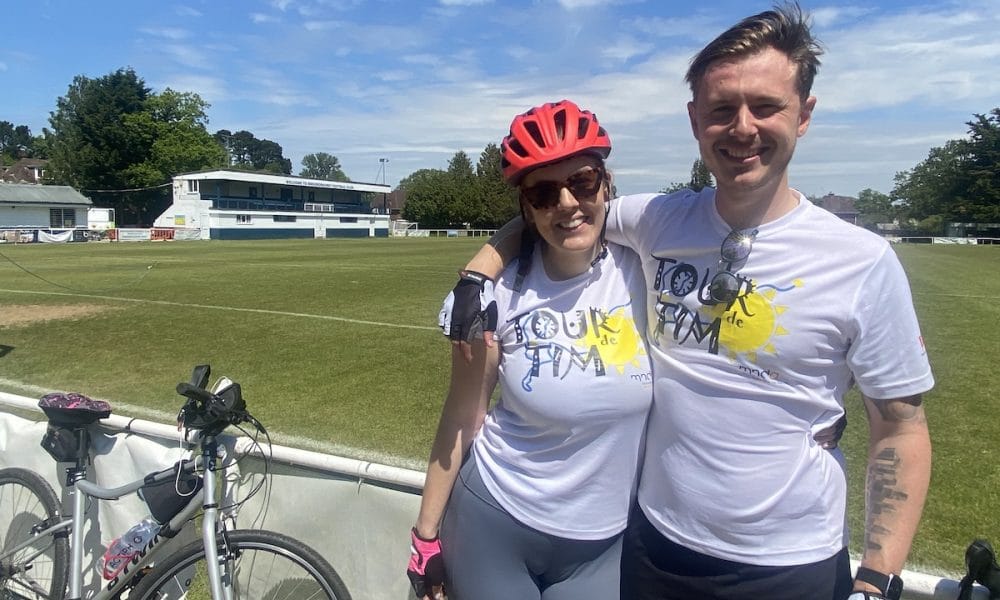
A radio presenter has raised over £5,000 for the MND Association and paid tribute to her late father by cycling over 100 miles to visit all of his former football clubs.
Fern Balch, who works for both the BBC and talkSPORT, took on the mammoth cycle last month to mark ten years since her dad, Tim, lost his battle with motor neurone disease (MND). The ‘Tour de Tim’ featured twelve different teams across Dorset and Hampshire which he either managed or played for, all of which he had an impact on. Despite being fit and busy all his life Tim was diagnosed with MND in March 2010, with its fast progression taking its toll on both him and his family. News17 Jun
It’s been 30 years since the company created its first ready meal and, all these years later, it’s celebrating with a Softer Foods offer for those living in the UK with swallowing difficulties.
It’s been 30 years since the company created its first ready meal and, all these years later, it’s still delivering Softer Foods ranges to thousands across the UK who are living with swallowing difficulties. Also known as dysphagia, swallowing difficulties are brought about by a variety of medical issues and commonly experienced by patients with neurological conditions. Care & services17 Jun
A charity which supports seriously injured people from the earliest stages of their recovery is rolling out its services in new regions following its national launch last month.
Day One Trauma Support offers financial, emotional and legal support to patients and their families, and was originally based at Leeds Teaching Hospitals NHS Trust. Its support will now also be offered in the Major Trauma Centre at Aintree University Hospital, with rollout into more of the country’s 27 Major Trauma Centres also planned. The charity is launching a fundraising drive during July to help raise vital funds for the expansion of its services, with over 100 people committing to each cover 75 miles to raise money - the distance marking the journey between Leeds and Aintree. Brain injury16 Jun
A first-of-its-kind house has been created for people with brain injuries, using the latest in technology innovation to support them in their return to living independently.
The Link is a pioneering project designed to bridge the gap between acute medical settings and return home, or to allow for a period of independent living, which uses assistive, smart and strategy technology to enable residents to live autonomously thanks to the ‘hidden’ support within the building. The purpose-built house, in Snodland, Kent, is a unique innovation from BIS Services, which has been meticulously planned for over three years. It offers a solution to people who are set to move back into the community but want to live in somewhere that feels like home during their transition, rather than a multi-occupancy unit, while not compromising on levels of support. But while they are able to live independently, they have the benefit of round-the-clock subtle monitoring, with observations of skill, patterns of behaviour, independent motivation and initiation, all of which can be graded and reduced where appropriate, allowing for maximum safety whilst increasing positive outcomes.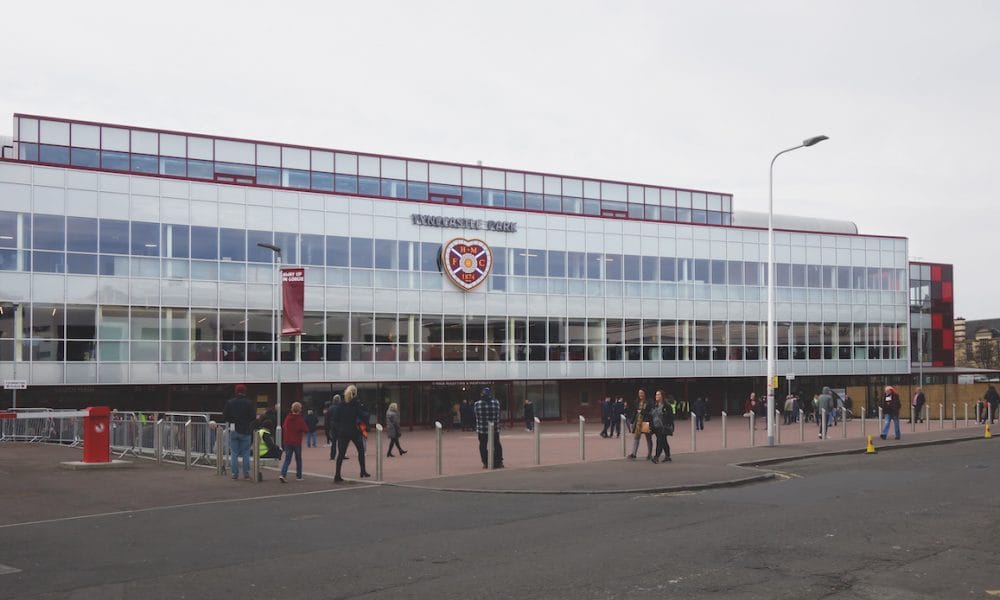 MND / ALS15 Jun
Heart of Midlothian Football Club have committed their support to helping fund a cure for motor neurone disease (MND) by naming one of Scotland’s leading neuro charities as the men’s shirt sponsor for the upcoming season.
MND Scotland will have their logo placed on the front of each jersey for the 2021/21 campaign in a bid to raise both awareness about the condition and money for the charity. The Edinburgh-based team are also using the deal to pay tribute to club legend and former captain Marius Žaliūkas, who tragically lost his battle with MND last year. The average life expectancy for MND patients is just 18 months after diagnosis according to the charity, but the Lithunaian defender lived for the condition for nearly seven years. Žaliūkas passed away aged 36 and was adored by fans, being part of the team that won the 2012 Scottish Cup. Stroke15 Jun
A new risk calculator will better predict people at high risk of stroke or heart attack years before they strike and is ready for use across the UK and Europe, it has been announced.
The risk calculator, SCORE2, will be adopted by the upcoming European Guidelines on Cardiovascular Disease Prevention in Clinical Practice, and enables doctors across Europe in the next ten years with greater accuracy than ever before. The research team behind the breakthrough say this new prediction tool will help save many more people across Europe from having a potentially deadly heart attack or stroke, ultimately saving lives. People who are flagged as having an increased risk can be put on personalised preventative treatment, such a statins, or will receive lifestyle advice to lower their risk. Multiple sclerosis14 Jun
A Multiple Sclerosis (MS) diagnosis is often a life changing event, with huge worries and concerns being overriding emotions for those who are told they have the condition.
This was exactly the case for 30-year-old Annie, who found out she had MS just weeks before she discovered she was pregnant with her first child. For years she had been suffering with fatigue and tiredness, but despite spending hours doing her own research she could not work out what was causing it. After numerous hospital visits, she was given a diagnosis of chronic fatigue syndrome, although Annie said she ‘never really felt like that was the correct diagnosis’ for her. It would take a strange coincidence for her to eventually discover the problem, after she got a fly stuck in her eye in June 2020. Dementia14 Jun
Researchers remain perplexed as to what causes dementia and how to treat and reverse the cognitive decline seen in patients.
In a first-of-its-kind study, however, researchers have discovered that cis P-tau, a toxic, non-degradable version of a healthy brain protein, is an early marker of vascular dementia (VaD) and Alzheimer's disease (AD).Their results define the molecular mechanism that causes an accumulation of this toxic protein.Furthermore, they showed that a monoclonal antibody (mAb) that targets this toxic protein was able to prevent disease pathology and memory loss in AD- and VaD-like preclinical models. Dementia11 Jun
Increasing evidence shows that physical activity and exercise training may delay or prevent the onset of Alzheimer's disease (AD).
In older people, aerobic exercise training increases grey and white matter volume, enhances blood flow, and improves memory function.The ability to measure the effects of exercise on systemic biomarkers associated with risk for AD and relating them to key metabolomic alterations may further prevention, monitoring, and treatment efforts. However, systemic biomarkers that can measure exercise effects on brain function and that link to relevant metabolic responses are lacking. News11 Jun
A new study has identified mechanisms by which COVID-19 can lead to Alzheimer's disease-like dementia.
The findings indicate an overlap between COVID-19 and brain changes common in Alzheimer's, and may help inform risk management and therapeutic strategies for COVID-19-associated cognitive impairment.Reports of neurological complications in COVID-19 patients and "long-hauler" patients whose symptoms persist after the infection clears are becoming more common, suggesting that SARS-CoV-2 (the virus that causes COVID-19) may have lasting effects on brain function. However, it is not yet well understood how the virus leads to neurological issues.