



First-of-its-kind project supports brain injury survivors in return home
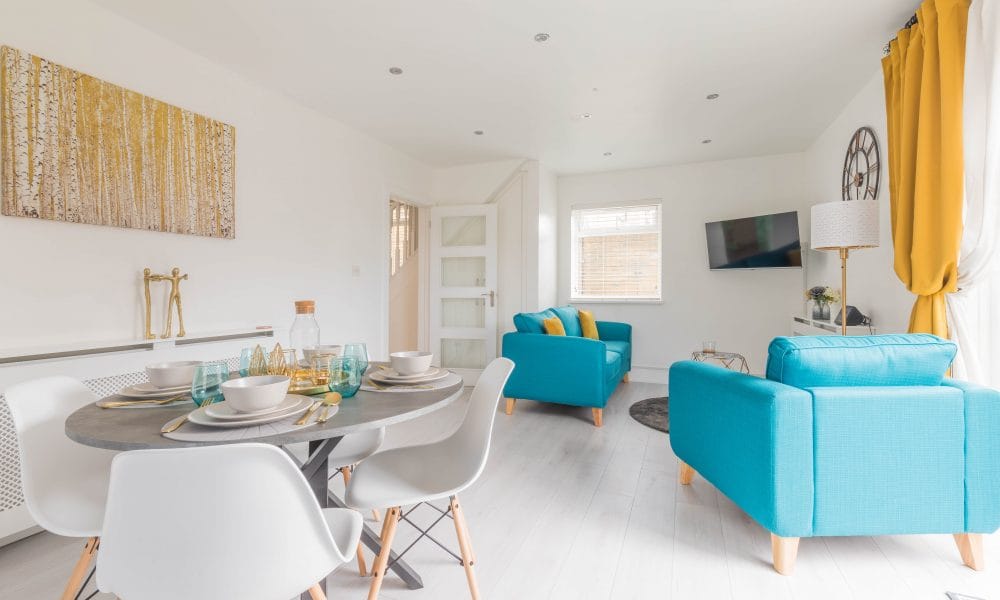
A first-of-its-kind house has been created for people with brain injuries, using the latest in technology innovation to support them in their return to living independently.
The Link is a pioneering project designed to bridge the gap between acute medical settings and return home, or to allow for a period of independent living, which uses assistive, smart and strategy technology to enable residents to live autonomously thanks to the ‘hidden’ support within the building.
The purpose-built house, in Snodland, Kent, is a unique innovation from BIS Services, which has been meticulously planned for over three years. It offers a solution to people who are set to move back into the community but want to live in somewhere that feels like home during their transition, rather than a multi-occupancy unit, while not compromising on levels of support.
But while they are able to live independently, they have the benefit of round-the-clock subtle monitoring, with observations of skill, patterns of behaviour, independent motivation and initiation, all of which can be graded and reduced where appropriate, allowing for maximum safety whilst increasing positive outcomes.
The Link has also partnered with Cambridge Brain Sciences for frequent delivery of cognitive assessment, hailed as an exciting development in terms of providing evidence of improved functional skills, as well as cognition.

In addition to its range of holistic therapy services, including mindfulness therapy, hypnotherapy, art, music and horticultural activities, The Link has also established close links with the local Kent community, enabling opportunities for vocational placements and further education courses, to further assess skills and relevant goal setting.
And while the property is preparing to accept its first clients onto its 12-week residential placements at The Link, a second is already being planned elsewhere, to help even more people to be supported in this way. BIS Services plan to roll out the service nationally and they are currently sourcing the next perfect location.
The Link builds on the commitment of BIS Services to raise standards in cognitive rehabilitation provision, with it delivering person-centred care to people living with ABI through brain injury, neurological injury and mental health issues throughout the country. Transitional services will be available upon discharge with BIS teams to ensure seamless support packages.
“This has been a dream project to work on. It’s a one of a kind which has been in the planning for over three years,” says Eky Popat, operations director at BIS Services.
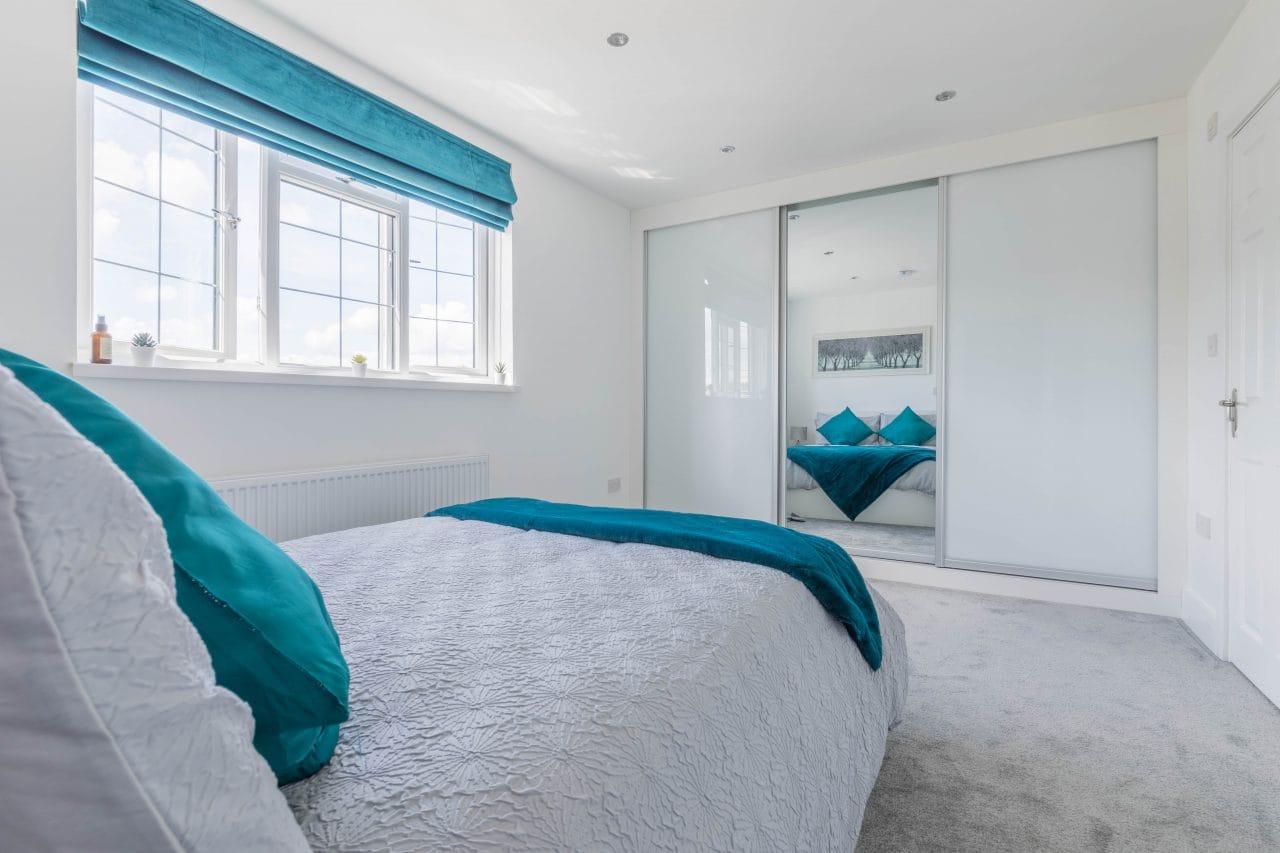
 “We’ve put a huge amount of effort into the design of the house, making sure it feels like a home, rather than a clinical environment. Every little corner has been thought of, and the appliances and products are all absolutely what is needed, no stone has been left unturned.
“In addition to the design of the house, we carried out a huge amount of research into how we could assess the impact of things like cold calling, internet usage, procedural learning, and how we can capture that data. That data supports whether a client can live independently, so our decisions are based on evidence and robust assessments.
“It can be so challenging to manage the unpredictable nature of independent living in other settings, so we have worked hard to factor in how clients learn to deal with real life situations and emergencies.
“We want to empower clients so they feel at home here, while also preparing for living independently with the assurance for them and their families that support is there if they need it.”
In addition to the acquisition and development of the property, the use of technology marks another significant investment in the creation of The Link.
“Brain injury is often called a hidden disability, and the support here is also hidden, we are using the very latest in technology to support our clients in a very modern way,” says Natalie Mackenzie, director at BIS Services.
“We have some fantastic appliances throughout the house, which can all be used easily by clients but aren’t so expensive they are completely inaccessible to clients once they return to their own homes – we have made sure they are all affordable innovations which could be used as part of their future needs.
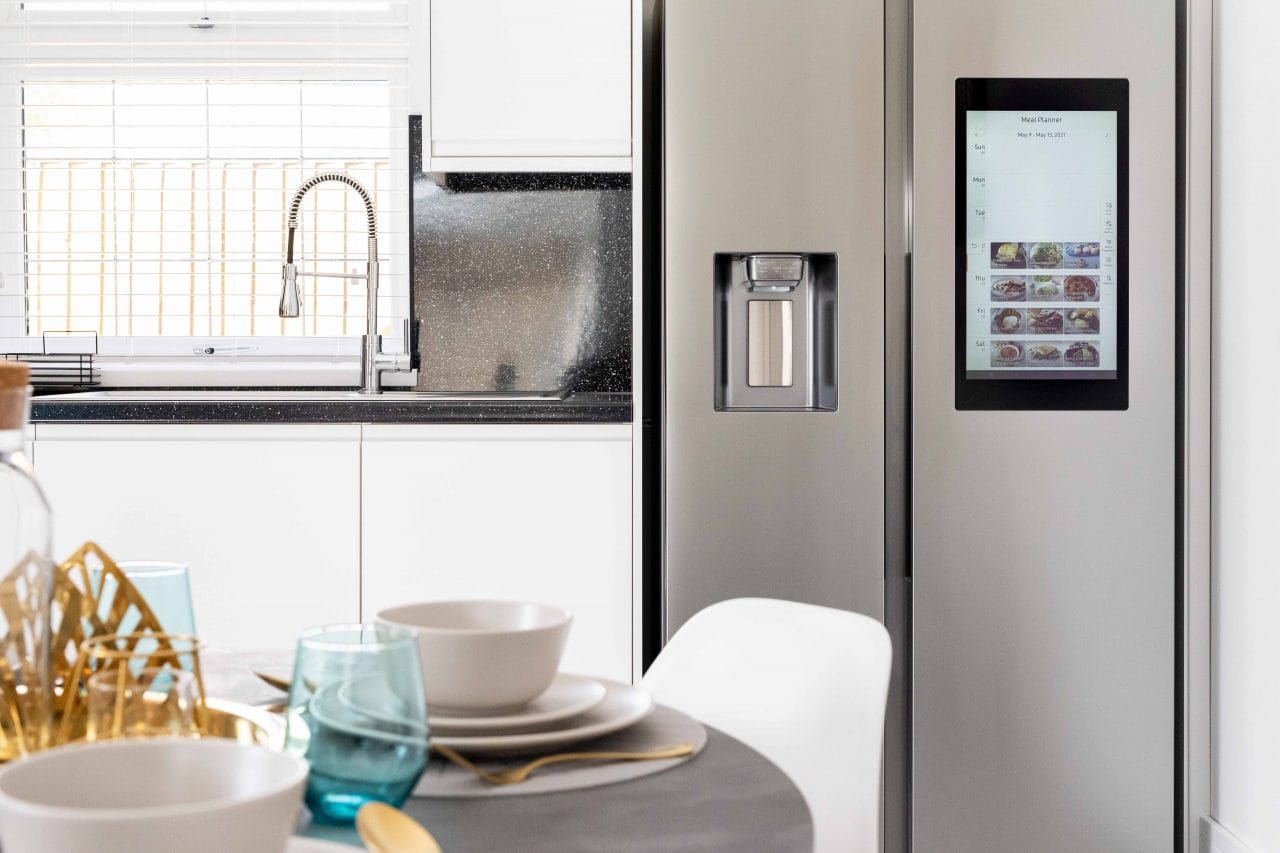
“We have smart devices throughout the house, including a smart fridge, the contents of which can be viewed while a client is out shopping to see what they need, as well as aiding with expiration, shopping list creation and so on, and a personalised shower system for people with hyper sensitivity or lack of sensation, which has auto shut-off to help with time perception, as well as prompts
“We have Alexa throughout the house too, which further helps with prompts and reminders and can then be transferred easily into their own homes once their placement with us comes to an end. It of course works in tandem with the skilled staff that are trained in identifying cognitive deficits and their impact on function.
“It’s really cutting-edge and we’ve identified that it’s the little things that often matter the most, it’s a great opportunity for our clients. There is lots more in there as well, including a therapy room and other smart technology focusing on different cognitive domains. When coupled with our company specialism in cognitive rehabilitation, the clients really do have access to highly specialised features.
“We’ve supported clients in living independently for over ten years and it’s always a sticking point to find a property that meets the needs of some. They want and need the independence, but don’t want to be in a brain injury unit, so it’s brilliant we have been able to create something like this. We provide independence from the outset, which in turn will increase positive outcomes for the clients long-term”
And with the successful creation of the first The Link comes plans for a second are underway, with aspirations for even further
roll-out.
“The aim is to have several of The Link across England. We are so proud of the first and we’re already working on the second,” says Eky.
“We’re so happy clients have the opportunity to be part of this, they deserve this opportunity to show their abilities to live independently. They can look back on this time here and be very proud of what they have done. We want to offer it even further through the opening of more houses, that is in the plan.”
Further referral information can be found on the BIS Services website www.thebiss.co.uk


