



News ›
News
The latest news from across neurorehabilitation.
 Stroke3 Feb
Studies show that the more repetition and strength training a person performs, the greater their chance of restoring movement, and ultimately their independence, following a stroke or neurological condition.
But keeping up with a physical rehabilitation regime when alone, no matter how willing you are, is a grind, but tech holds the key, explains Dr Paul Rinne is CEO and co-founder of GripAble. Tech & industry3 Feb
Two pioneering robotics companies have formed a global partnership to develop new digital rehabilitation solutions.
HumanXR and Fourier Intelligence will work together to accelerate digitisation for advanced rehabilitation, integrating immersive virtual experiences in state-of-the-art rehabilitation robotics. The venture comes as the role technology can play in rehabilitation is more widely recognised than ever before, through the effect of the COVID-19 pandemic which has resulted in a significant shift to the use of telerehab and digital.
A brain-related visual impairment may affect one in every 30 children, new research has revealed.
In a study of Cerebral Visual Impairment (CVI), which was thought to be rare, University of Bristol researchers have found it is more commonplace than previously accepted. The study, funded by the National Institute for Health Research (NIHR), investigated how many school-aged children may have undiagnosed brain-related vision problems. Information was collected about 2,298 children aged five to 11 across 12 schools using teacher and parent questionnaires. They invited over ten per cent of the children (262 pupils) for a detailed assessment using validated tests to identify children with brain-related visual problems suggestive of CVI. News2 Feb
After aspiring Olympian Eleanor Furneaux was involved in a serious collision during her skeleton training, which left her battling the ongoing effects of her head injury, she made the decision to retire aged only 24. Here, she shares her story and her belief that sportspeople shouldn’t ‘push through’ despite injury
Former GB skeleton athlete Eleanor Furneaux had high hopes of following the footsteps – or sled tracks – of Olympic Gold medallists Lizzy Yarnold and Amy Williams. But with her shot at glory in sight, a devastating head injury caused her to sacrifice her aspirations and retire at just 24 years old. Stroke2 Feb
Exoskeletons could help with early rehabilitation for acute stroke, new research has found.
The use of high-dose therapy gait training using robotic exoskeletons could help increase provision for stroke rehabilitation, broadening options for patients going forward. The research, from the Kessler Foundation, involved 44 inpatients, aged between 18 and 82, admitted to the Kessler Institute for Rehabilitation for acute stroke. Brain injury1 Feb
While less people are making personal injury claims, specialist lawyers have reiterated the need to ensure people with brain injuries can access the support and therapy they need.
Statistics show that the number of claims dropped by 27 per cent last year, in comparison to 2019, continuing the year-on-year decline seen since 2013. In the past seven years, says APIL, the level of claims made has fallen by a third. While the figures from the past year can be attributed in part to the Government’s ‘stay at home’ message through the COVID-19 pandemic, the downward trend in claim numbers must be addressed, say APIL.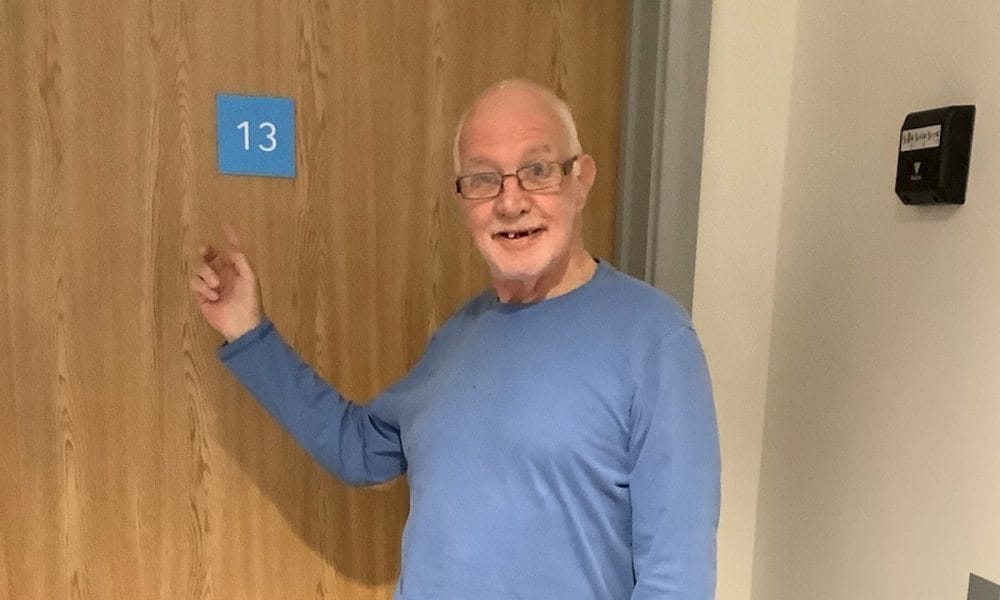 Care & services1 Feb
In April last year, due to a rare neurological disorder, Barry Whaite could only move his head independently. But by the time the country emerged from the first lockdown in August, he had regained the ability to walk. Here, he shares his story.
“I had initially been suffering from a chest infection and was taking antibiotics and steroids, as prescribed by my GP. I was not improving and eventually I fell a couple of times, then on 17 February last year, I was unable to stand up. An ambulance came and took me to the Royal Preston Hospital, where after an MRI, a CT scan and a lumbar puncture, I was diagnosed with Guillain–Barré Syndrome (GBS). I was given an immune therapy drug to stop the illness progressing to my lungs. I was now totally helpless, needing a hoist to move me. Brain injury1 Feb
New statutory guidance will recognise that survivors of domestic abuse may have sustained an acquired brain injury (ABI) for the first time, it has been revealed.
Consideration of brain injury will be made as part of the Domestic Abuse Bill, currently being debated by the House of Lords. Domestic abuse protection orders - designed to protect victims from all forms of domestic abuse - will now consider ABI as part of the range of needs any survivor may have. Where police are attending a call out to a domestic incident in the community, they could be accompanied with, or shortly after visited by, an Independent Domestic Violence and Abuse Advisor who would be able to offer expert support to the survivor, including in relation to ABI.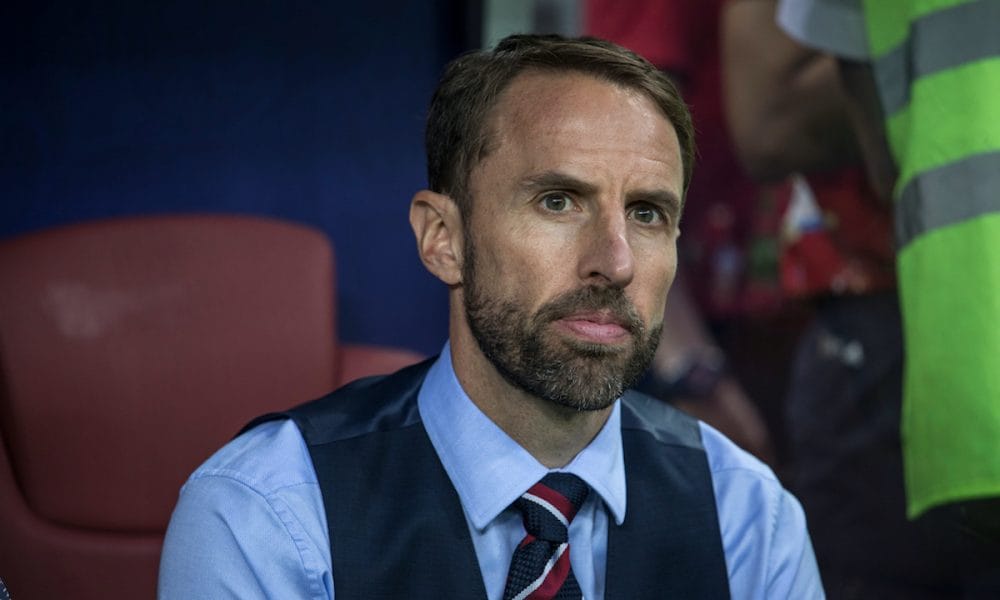 Brain injury29 Jan
England manager Gareth Southgate has committed his support to efforts to establish potential links between neurodegenerative disorders and former professional footballers.
The England manager will take part in one of the FA-backed studies, and has encouraged other ex-players to follow his lead, to enable critical research to take place. The potential link to neurodegenerative disorders is being explored in independently-led research studies, which are examining former professional footballers for early signs of neurocognitive degeneration. Spinal injury29 Jan
Blood pressure can be controlled without drugs after spinal cord injury, new research has revealed.
Spinal cord stimulators can bridge the body’s autonomous regulation system, controlling blood pressure without medication, the study found. Led by Dr Aaron Phillips at the University of Calgary's Cumming School of Medicine (CSM) and Grégoire Courtine, from the Swiss Federal Institute of Technology (EPFL), the study has been hailed as having “life-changing” consequences for people with spinal cord injury.


