Patients & families
For people living with neurological conditions and their families.
 Brain injury11 Nov
An organisation established in response to the lack of community-based brain injury support is now helping to change the reality for survivors across East Yorkshire and Lincolnshire.
 Stroke29 Oct
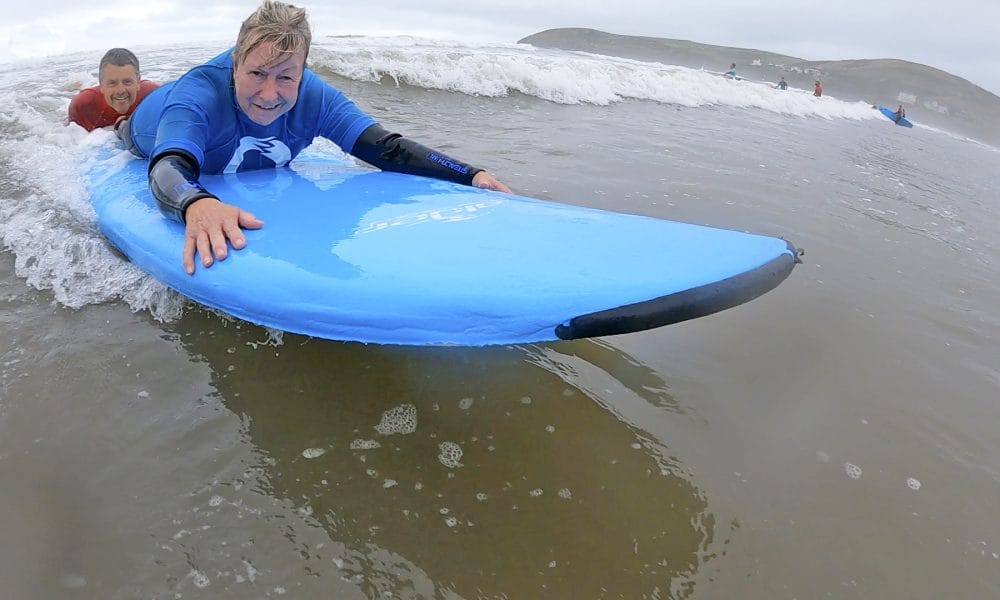
A survivor who lost both her job and home after her stroke is rebuilding her life after finding salvation in surfing.
 Stroke15 Oct
Having had a stroke and lost his job within a week, Adrian Day is now committed to showing others there is hope even during the bleakest of times.
 Patient stories8 Oct
A woman who had to learn to walk again after a brain tumour has completed the virtual London Marathon.
 Care & services5 Oct
A former opera singer who was paralysed from the neck down has been able to perform again following an extensive rehabilitation programme comprising “therapy, perseverance and hope”.
 Spinal injury28 Sep
“This is a different life and we need help to live it”
 Brain injury20 Sep
A national initiative has been launched to help increase the support, advice and resources for families affected by acquired brain injury (ABI).
 Patient stories14 Sep
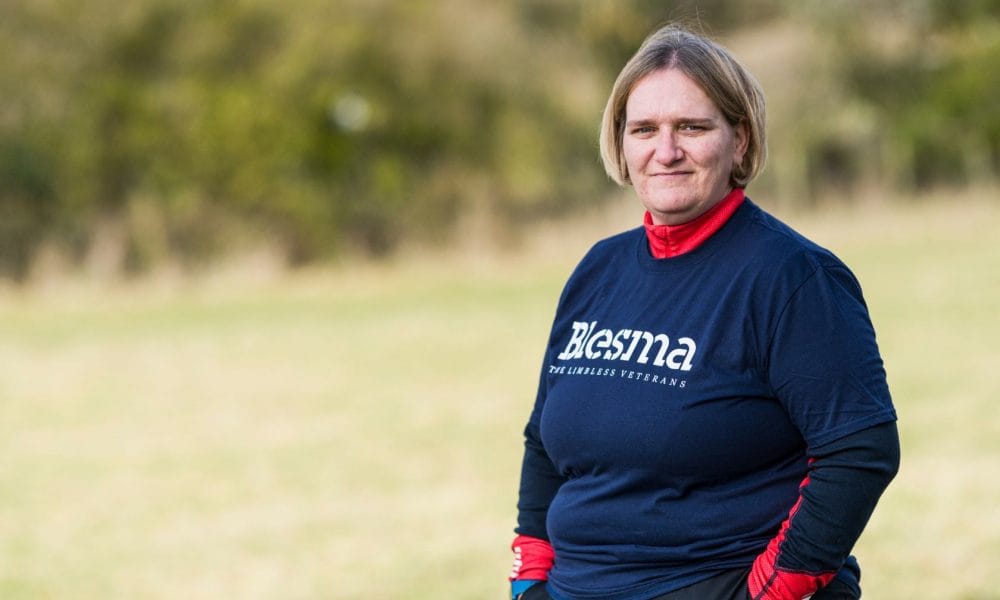
Former military police officer and Blesma member Lesley Stewart spent many years in agonising pain, and eventually lost her leg, due to undiagnosed dystonia. Read her incredible story of coming back from years of struggle to compete in the Paralympics
 Patient stories26 Aug
A man who overcame a near-fatal brain haemorrhage and defied the odds to claim numerous world records is now set to run a gruelling eight marathons in eight days to enable vital support for brain injury survivors and their families to continue. Dad-of-two Neil Rhodes, 63, has completed more than 17 ultramarathons since he nearly died of a brain haemorrhage in 2003. The super fit personal trainer was aged 45 and practising on a rowing machine just three days before the World Indoor Rowing Championships when he collapsed and was rushed to hospital. There, doctors discovered a berry aneurysm in his middle cerebral artery had burst due to a ‘ticking time bomb’ weakness which had been there since he was born. Neil underwent an eight-and-a-half-hour operation to save his life, but doctors gave him just a seven per cent chance of survival.