



Stroke
Stroke care, recovery and rehabilitation.
 Stroke27 Apr
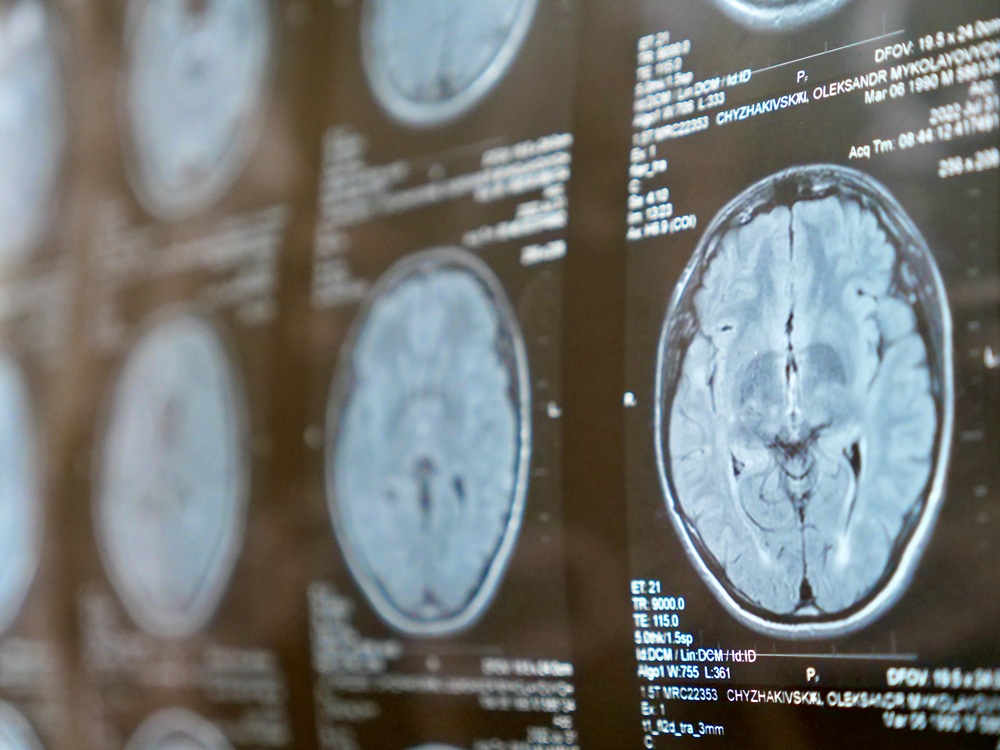
A severe stroke may raise the odds of dementia fivefold and speed long-term declines in memory and thinking, a national study suggests. People with the most severe strokes had five times higher odds of developing dementia and showed cognitive decline equivalent to being more than two years older at baseline than people who did not [...]
 Stroke23 Apr
A new daily pill cut repeat stroke risk by 40 per cent in people who had already suffered a brain bleed, a major trial has found. The findings came from a study of stroke survivors with high blood pressure, one of the biggest risk factors for another stroke or other cardiovascular problems. Patients in the [...]
 Stroke22 Apr
Women who have had three or more children may face a lower stroke risk, according to new research. The findings suggest reproductive factors, especially the number of live births, could help predict future stroke and brain injury risk in women. Sudha Seshadri, behavioural neurologist, professor and founding director of the Glenn Biggs Institute [...]
 Stroke17 Apr
Asundexian cut stroke risk without raising bleeding risk in a large international trial in people treated after stroke or mini-stroke. The study involved 12,327 adults from 37 countries who were enrolled within 72 hours of a non-cardioembolic stroke, caused by a clot forming outside the heart, or a transient ischaemic attack, a temporary blockage of [...]
 Stroke15 Apr
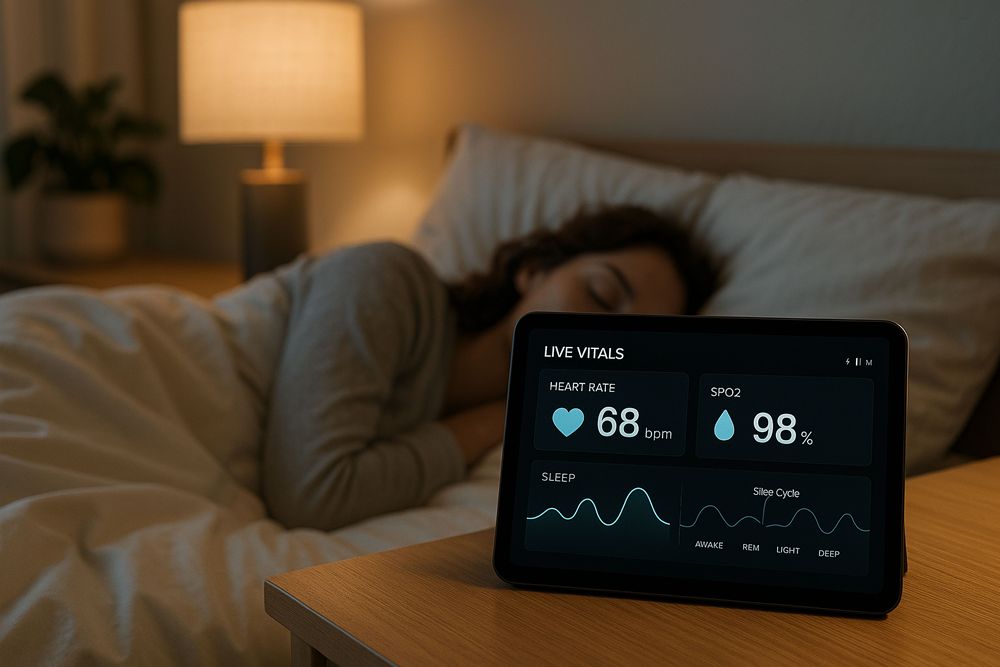
People whose sleep apnoea swings from night to night are 30 per cent more likely to have a stroke, heart attack or heart failure, a Flinders study suggests. The research found it is not just how severe sleep apnoea is that matters, but how much it fluctuates, with wide night to night swings linked to [...]
 Stroke7 Apr
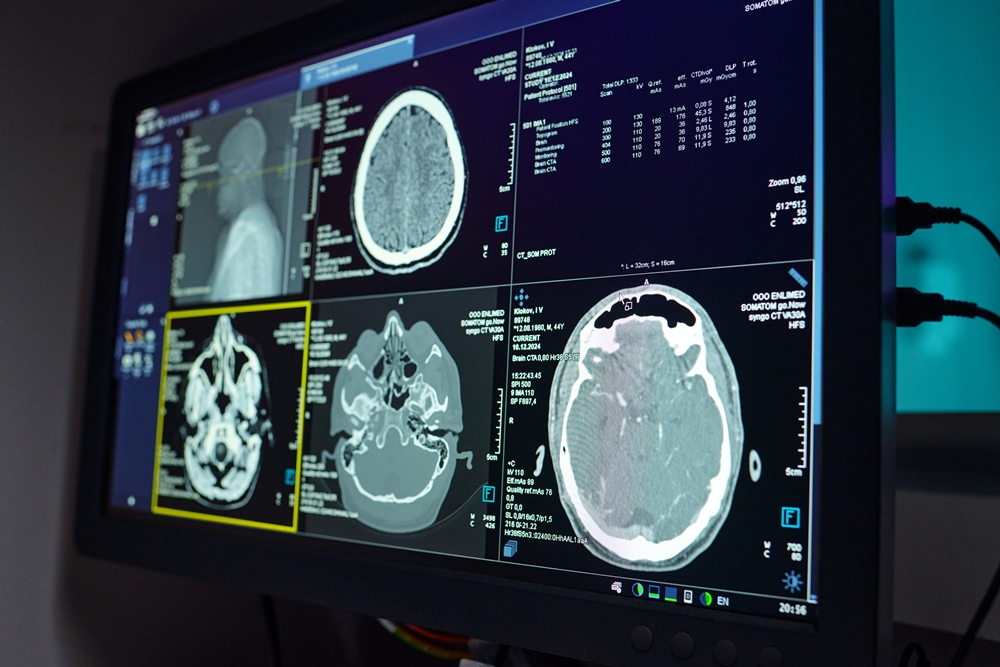
Seven of England’s 24 stroke centres still do not offer stroke therapy 24/7, despite pledges to make it available across England by 1 April, a Guardian investigation has revealed. The health service was expected to improve stroke care by making a clot-removal technique called mechanical thrombectomy available everywhere in the country 24/7 from 1 April. [...]
 Stroke3 Apr
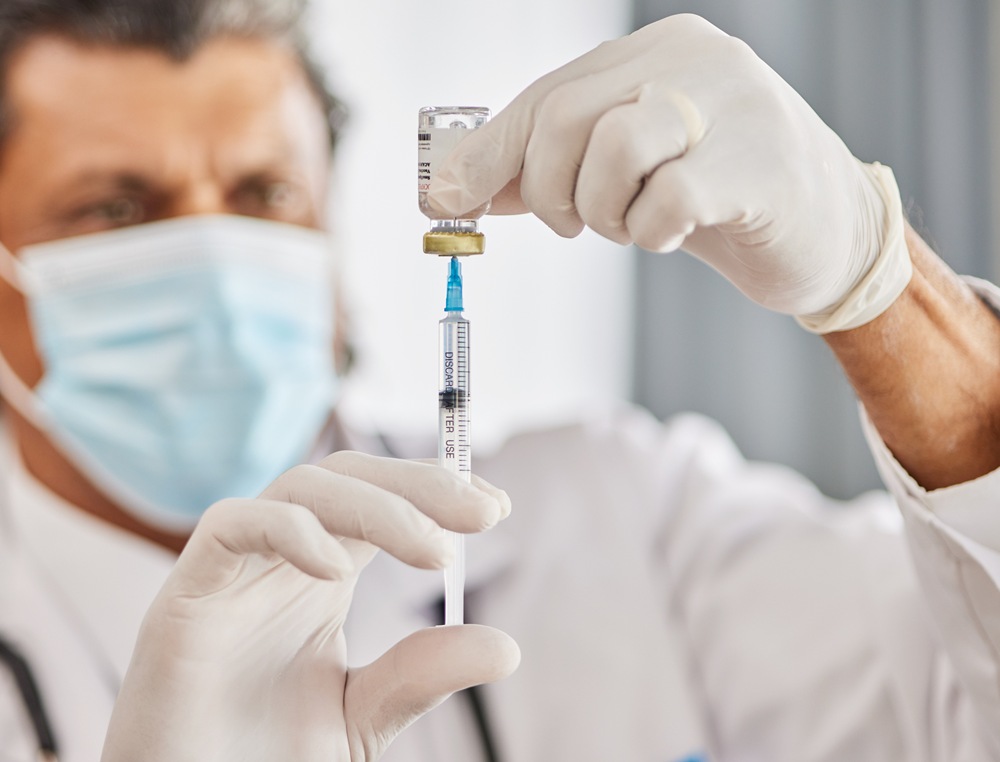
Influenza vaccination could significantly reduce the risk of influenza-associated heart attack and stroke even among people who get infected after getting the vaccine, according new research. Catching influenza increases the short-term risk of cardiovascular conditions, and existing evidence has shown that the vaccine reduces the risk of heart attack and stroke by preventing infection in [...]
 Stroke31 Mar
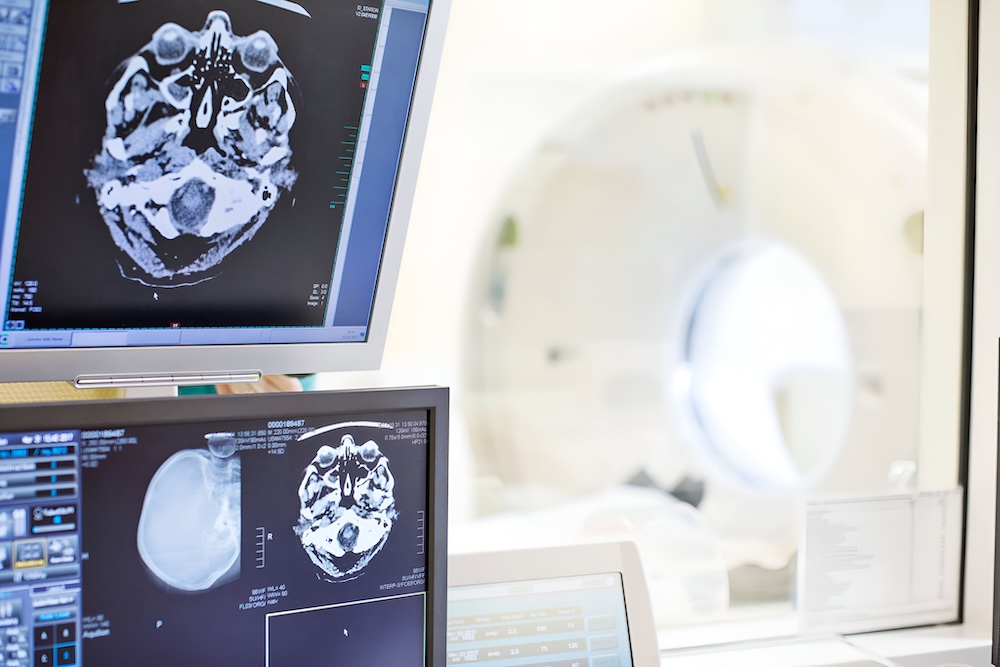
Parts of the brain may look younger after a stroke, suggesting the brain can reorganise itself to help make up for damage. Scientists analysed brain scans from more than 500 stroke survivors collected across 34 research centres in eight countries. Using deep learning trained on tens of thousands of MRI scans, they estimated the biological [...]
 Stroke27 Mar
Stroke recovery may involve brain rewiring in undamaged regions, new research suggests, with scans showing a younger brain structure in people with severe movement problems. The study analysed brain scans from more than 500 stroke survivors across 34 research sites in eight countries. Using deep learning models, a form of artificial intelligence, trained on tens [...]
 Stroke26 Mar
A home programme cut post-stroke falls by 33 per cent over 12 months, in what researchers said was a world first for a non-drug intervention. The study, known as the Falls After Stroke Trial, found a co-ordinated programme of functional exercise, reducing hazards around the home and coaching on mobility outside the home cut falls [...]


