A new daily pill cut repeat stroke risk by 40 per cent in people who had already suffered a brain bleed, a major trial has found.
The findings came from a study of stroke survivors with high blood pressure, one of the biggest risk factors for another stroke or other cardiovascular problems.
Patients in the trial had previously had an intracerebral haemorrhage, a type of stroke caused by a weakened blood vessel rupturing and bleeding into the brain.

President Jeyaraj Pandian, of the World Stroke Organization, said: “TRIDENT is a major advance in showing the enormous benefits of effective blood pressure control after an intracerebral haemorrhage.”
In the TRIDENT trial, 1,670 patients were followed for three years.
Half received GMRx2, a once-a-day tablet combining three established blood pressure medicines, while the rest received a placebo alongside standard care.
Just over 4 per cent of patients taking GMRx2 had another stroke, compared with 7 per cent in the placebo group, amounting to a 39 per cent reduction in risk.
Those taking the pill were also about a third less likely to have a major cardiovascular event, such as a heart attack or a death linked to heart disease.
Professor Craig Anderson, a neurologist at The George Institute and one of the study authors, said: “Our results have the potential to mark a real shift in how we manage blood pressure following a stroke.”
The result is significant because people who survive this type of brain bleed face a raised risk of another stroke in the years that follow.
High blood pressure, also known as hypertension, means the force of blood pushing through the arteries stays too high over time and can damage blood vessels.
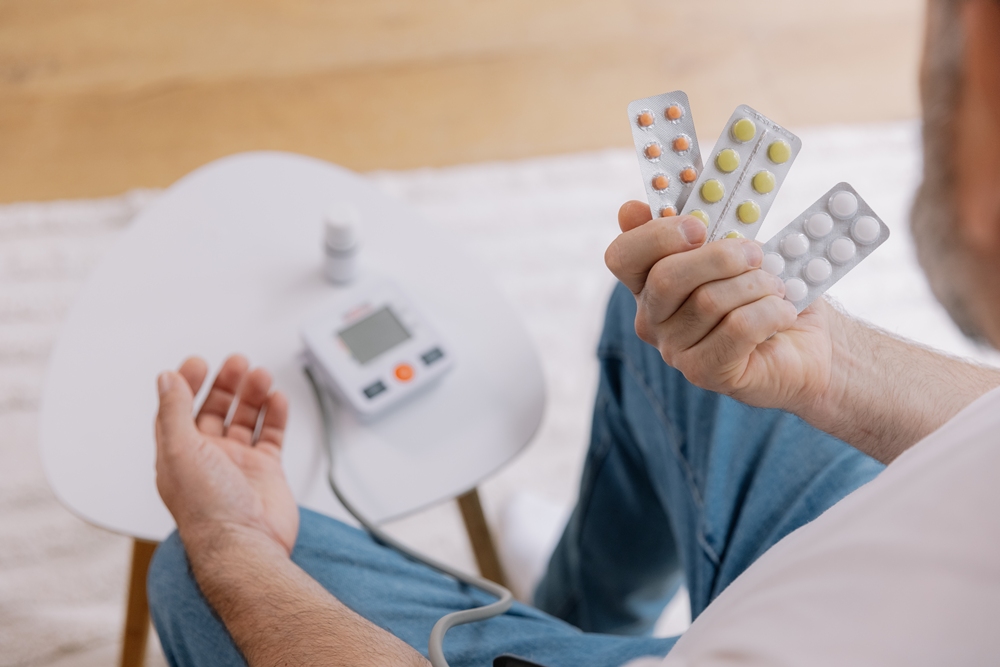
The three-drug pill combines telmisartan, amlodipine and indapamide, which lower blood pressure in different ways.
Researchers said putting them into one tablet could help patients stick to treatment more consistently.
One of the most common warning signs of this type of stroke is a sudden, severe headache, sometimes described as a thunderclap headache.
Other symptoms can include weakness, numbness, vision loss, facial drooping and slurred speech.