



Stroke
Stroke care, recovery and rehabilitation.
 Stroke23 Mar
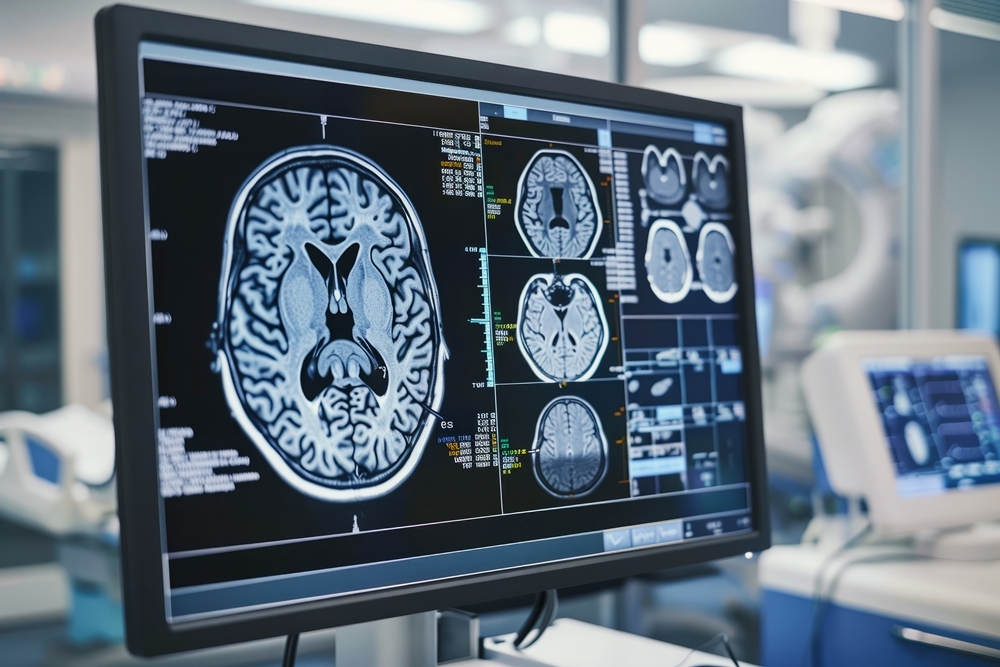
An AI tool used to assess stroke scans was linked to better stroke care and improved long-term outcomes in a large trial. The system used AI-assisted imaging analysis to classify the causes of a stroke alongside evidence-based treatment recommendations, and was tested against usual care in routine clinical practice. The trial involved 21,603 patients with [...]
 Stroke18 Mar
A blood test could predict stroke and other cardiovascular diseases up to 15 years before symptoms appear, researchers say. The tool, called CardiOmicScore, uses a single blood sample to generate personalised risk scores for six major cardiovascular conditions: coronary artery disease, stroke, heart failure, atrial fibrillation, peripheral artery disease and venous thromboembolism. The [...]
 Stroke16 Mar
Protein changes after stroke could help identify people at risk of later memory and thinking problems, new research study suggests. The study also suggests smoking may increase the risk of memory and thinking problems alongside ongoing inflammation after a stroke. The research, published in Alzheimer’s & Dementia, is part of the Stroke IMPaCT study, a [...]
 Stroke9 Mar
Recreational drugs can more than double stroke risk, with a major review suggesting some of the most concerning impacts are among younger people. Scientists analysed medical data from more than 100 million people and found stroke risk was 122 per cent higher for amphetamine users and 96 per cent higher for cocaine users than for [...]
 Stroke6 Mar
Short-term spikes in wildfire smoke during the 2023 Canadian wildfires were linked to higher stroke rates and more severe strokes in New Jersey, a preliminary study suggests. Researchers used a stroke registry to identify strokes recorded in June and July 2023 and compared them with strokes during the same months a year earlier. They reviewed [...]
 Stroke3 Mar
A stroke survivor misdiagnosed after paralysis symptoms was awarded £1m compensation following a legal claim over her treatment. Lisa, a mother-of-two from Bishops Stortford who asked that her surname not be published, was taken to Addenbrooke’s Hospital, Cambridge, in 2016 after suffering paralysis on the left side of her body. She was on maternity leave [...]
 Stroke26 Feb
Stroke is projected to rise significantly in women over the next 25 years, according to the American Heart Association. The rate of stroke among adult women in the US is expected to increase from 4.1 per cent in 2020 to 6.7 per cent in 2050. Obesity, diabetes and high blood pressure are fuelling broader increases [...]
 Stroke25 Feb
Nyra health has raised €20m in a Series A round to expand its AI-based neurorehab platform across Europe and the US. The Vienna-based company said it will use the funding to expand its technology platform in the DACH region, accelerate its US expansion and pursue its aim of setting a new standard for data-driven neurorehabilitation. [...]
 Stroke18 Feb
Regular use of paracetamol may increase the risk of stroke and heart disease by around 20 per cent, according to research. The findings suggest that long-term use of the common painkiller can raise blood pressure, a known risk factor for cardiovascular disease. Until fairly recently, paracetamol was considered safe for people with high blood pressure. [...]
 Stroke17 Feb
A New Zealand medtech developing a portable scanner to detect stroke at the bedside has raised NZ$7.28m (A$6.2m) in a first close of its pre-Series A round. Wellumio is developing a portable neuroimaging device designed to enable rapid, point-of-care stroke detection, when early treatment can improve outcomes. The technology, called Axana, aims to identify acute [...]


