People whose sleep apnoea swings from night to night are 30 per cent more likely to have a stroke, heart attack or heart failure, a Flinders study suggests.
The research found it is not just how severe sleep apnoea is that matters, but how much it fluctuates, with wide night to night swings linked to a higher risk of serious heart disease.
Obstructive sleep apnoea causes repeated pauses in breathing during sleep and affects millions of people worldwide.

It is commonly associated with loud snoring, restless sleep and daytime fatigue, but it is also closely linked to heart disease and stroke.
Most people tested for sleep apnoea only have their breathing measured on one night and this single snapshot may not be representative in people whose condition varies substantially from night to night.
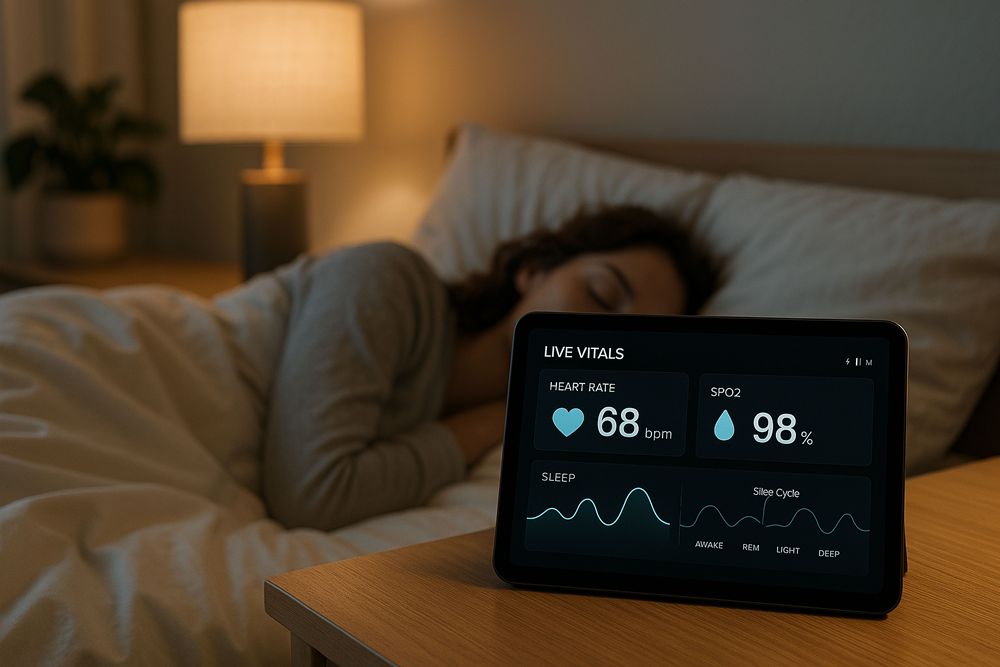
The study analysed sleep data from more than 3,000 adults who tracked their breathing at home using an under-mattress sensor.
Their sleep patterns were measured over several months and compared with reported heart and stroke conditions.
Lead author Dr Bastien Lechat said people whose sleep apnoea severity varies from night to night were about one third more likely to have experienced a heart attack, stroke or heart failure, even after accounting for average sleep apnoea severity.
He said: “Many people assume sleep apnoea is stable, but the reality is very different, and some nights can be much worse than others, and this repeated up and down strain may place extra stress on the heart.”
“A single night sleep test may falsely reassure some patients, because people with mild average sleep apnoea can still be at higher risk if their breathing problems swing dramatically between nights.”
Professor Danny Eckert, director of FHMRI Sleep Health and senior author on the paper, said the findings help explain why heart risk can be difficult to predict in people with sleep apnoea.
He said: “The body may struggle to adapt to repeated changes in oxygen levels and sleep disruption. These night to night swings can quietly stress the heart and blood vessels over time without being picked up by standard testing.”
The findings are reinforced by a second large international Flinders-led study, which tracked nearly 30,000 people over several years using home-based digital health devices.
That study found that more severe sleep apnoea, high night to night variability and habitual snoring were all linked to faster ageing of the blood vessels, an early warning sign for cardiovascular disease.
The study, led by Dr Lucia Pinilla, found that people with mild sleep apnoea but high nightly variability had blood vessel health similar to those with severe sleep apnoea, highlighting a hidden group at risk.
Dr Pinilla said the two studies together show why repeated sleep monitoring is so important.
She said: “These findings show that one night tests can miss people at real risk.
“Sleep should be seen as a moving picture rather than a single photograph, and understanding nightly patterns can help doctors better identify who needs early intervention.”