



Speech & language therapy

Twenty groups of MPs are calling on the Government to increase access to speech and language therapy (SLT), which is “crucial to reducing present and future risks”.

Aphasia is a language and communication disorder affecting around a third of people who have a stroke, according to the Stroke Association. The condition is typically caused by damage to the left-hand side of the brain. People with aphasia may have difficulty communicating at home or at work or while engaging in social interactions. The [...]
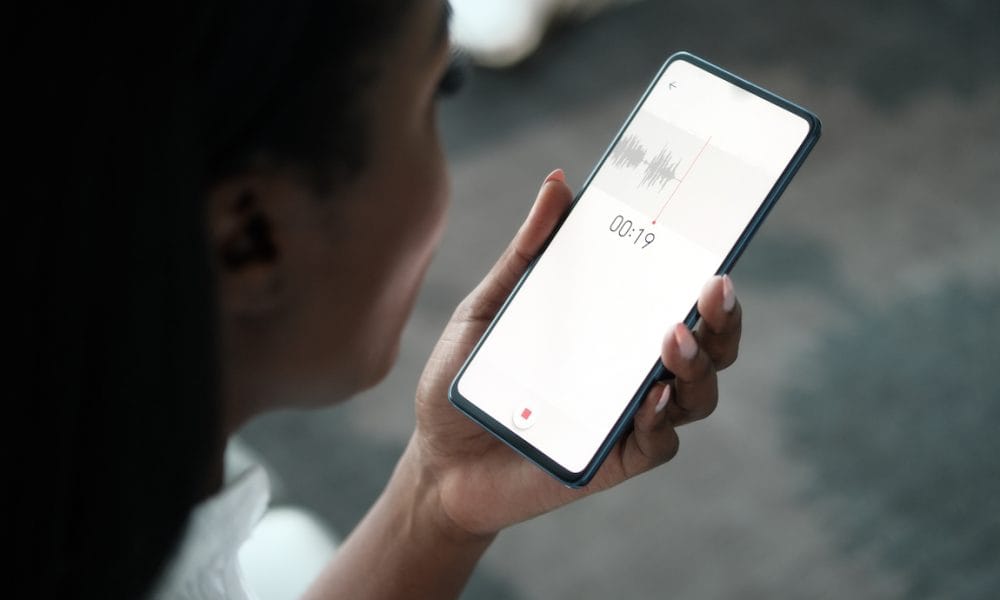
An app to track and improve communication recovery for people with aphasia is being developed, inspired by a stroke survivor who wanted to monitor his progress.

The Government has responded to a petition signed by thousands of people calling for greater access to speech and language therapy (SLT), saying it is “supporting the restoration” of such vital support for those in need.

Over half of those living with neurological conditions who could not access speech and language therapy (SLT) during COVID-19 lockdown have seen their mental health, social and home lives worsen as a result, new research has revealed. Between March and June 2020, 41 per cent did not receive any SLT, with a further 32 per [...]

The “once in a lifetime opportunity” to support people whose communication and swallowing needs have suffered during the pandemic must be taken, with the Government needing to urgently support speech and language therapy in this area.
That is the message from more than 80 organisations nationally, which work with, represent and support people with communication and swallowing needs, after the significant detrimental impact people have faced over the past year through their therapy being withdrawn or done remotely.Through community speech and language therapy continuing even during the height of lockdown, many patients received a “massive boost” from the progress being made in regaining or maintaining their communication and swallowing abilities.
While many therapies were stopped or conducted remotely, speech and language therapy (SLT) continued in-person throughout the pandemic, supporting people in their recovery from brain injury or stroke, as well as working with those with progressive neurological conditions.
Being diagnosed with dysphagia (also referred to as swallowing difficulties) can be an overwhelming feeling. From diagnosis to understanding which foods are safe to eat, here Wiltshire Farm Foods shares tips and advice on living with the condition.
Being Diagnosed with Dysphagia Once you are diagnosed with dysphagia, your Speech and Language Therapist may recommend that you amend your diet. This will involve modifying the textures of the food you consume, making it easier and safer for you to swallow.
Wiltshire Farm Foods has announced its first-ever range of Christmas meals, introducing a variety of festive favourites to its Softer Foods Collection that have been specially created for those living with swallowing difficulties.
The range includes an energy dense Puréed Turkey with Red Cabbage, Sage and Cranberry Stuffing and Duchess Potatoes, with over 500 Kcal and 20g protein; Puréed Honey Glazed Pork with Apple Sauce, Green Beans and Sauté Potatoes (a meal which is both energy dense and gluten free) and a Puréed Festive Pudding with Vanilla Sauce; packed with balanced notes of festive spices, which is also gluten free.

New research has found that intensive therapy is not necessarily best when it comes to treating the loss of language and communication in early recovery after a stroke.
Published in the International Journal of Stroke, the research found that unlike physical and motor skill rehabilitation, recovering lost language caused by a condition known as aphasia after stroke is a marathon, not a sprint. It also showed that early intervention is crucial.


