




A rapid genetic test could identify brain tumour type in under two hours, potentially allowing treatment decisions to be made sooner.
The NHS is piloting the test, which analyses DNA from tumour tissue and could provide results in hours rather than the weeks diagnosis can currently take.
Results may help surgeons decide how much tumour tissue can safely be removed and support earlier decisions on chemotherapy, radiotherapy or access to clinical trials.

Professor Frankie Swords, NHS medical director, said: “For people with suspected brain tumours, getting the right diagnosis quickly can feel like a race against time, while waiting weeks for answers can be agonising for them and their families.
“This remarkable rapid test has the potential to completely transform how we diagnose brain tumours, with results reaching patients in a matter of days rather than weeks.
“This is a huge leap forward for patients – a faster diagnosis means they can start the right treatment or access clinical trials sooner, while for some patients it could mean surgeons can make potentially life-changing decisions about their surgery while on the operating table.”
The rapid genomic test was developed by scientists and clinicians at the University of Nottingham and Nottingham University Hospitals NHS Trust.
It analyses a small tumour sample taken during a biopsy or surgery to identify the tumour’s genetic characteristics.
In a recent operation at Nottingham University Hospitals, a tumour sample was tested in the same hospital while surgery was still under way.
Sequencing took around 20 minutes, with a result returned to the surgical team less than two hours after the sample reached the laboratory.
The NHS England pilot builds on testing already under way in Nottingham and Birmingham. It will initially introduce the technology at five specialist centres before expanding further across England.
Around 13,000 people are diagnosed with a brain tumour in the UK each year.
There are more than 100 types of brain tumour, ranging from slow-growing to aggressive forms, and different types can respond differently to treatment.
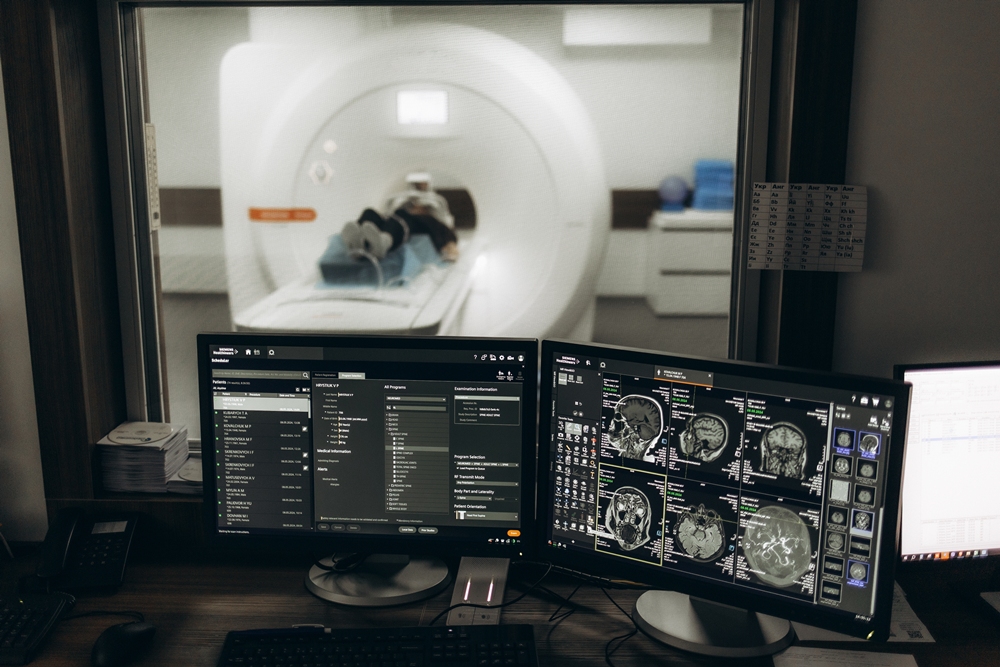
The standard diagnostic process involves MRI and CT scans followed by removal of a tumour sample, which is tested and examined under a microscope in a pathology laboratory. A definitive diagnosis can take weeks.
The first phase of the pilot will introduce testing at University Hospitals Birmingham NHS Foundation Trust, Nottingham University Hospitals NHS Trust, Great Ormond Street Hospital for Children NHS Foundation Trust, King’s College Hospital NHS Foundation Trust and Newcastle Hospitals NHS Foundation Trust.
Genomic laboratory sites in Bristol, Oxford, Leeds and Manchester will join during the second phase.
 Less painful MS test speeds up diagnosis and reduces costs


