



News
The latest news from across neurorehabilitation.
 Opinion15 Aug
NR Times recently spoke to Dr Tamara Werner-Kiechle, Therapeutic Area Lead for Neuroscience, PH and CVM in Europe, Middle East, and Africa (EMEA). Tamara leads Johnson & Johnson’s medical affairs strategies and operational plans in EMEA. In this interview, Tamara sheds light on why innovation is urgently needed to address the rising rates of psychiatric [...]
 Families & carers15 Aug
Northern Ireland-based Western Health and Social Care Trust is to pay compensation of nearly £21 million to the family of a baby that suffered brain damage during an emergency caesarean. The young girl, who now has to spend her life in a wheelchair, was left with cerebral palsy and brain damage from an emergency C-section. [...]
 News15 Aug
Law firm Irwin Mitchell, which has a prominent presence in the serious injury law field, has seen its turnover pass £300 million for the first time. Irwin Mitchell has reported that its growth trajectory has passed £300 million revenue, significantly growing profit before tax in the most recent financial year. The firm has stated that [...]
 Research14 Aug
New findings on how classical music positively impacts on the brain could help to shape clinical practice, researchers say. Their goal is to find more effective ways to use music to activate the brain in those who otherwise don’t respond, such as people with treatment-resistant depression. “Our research integrates the fields of neuroscience, psychiatry, and [...]
 News14 Aug
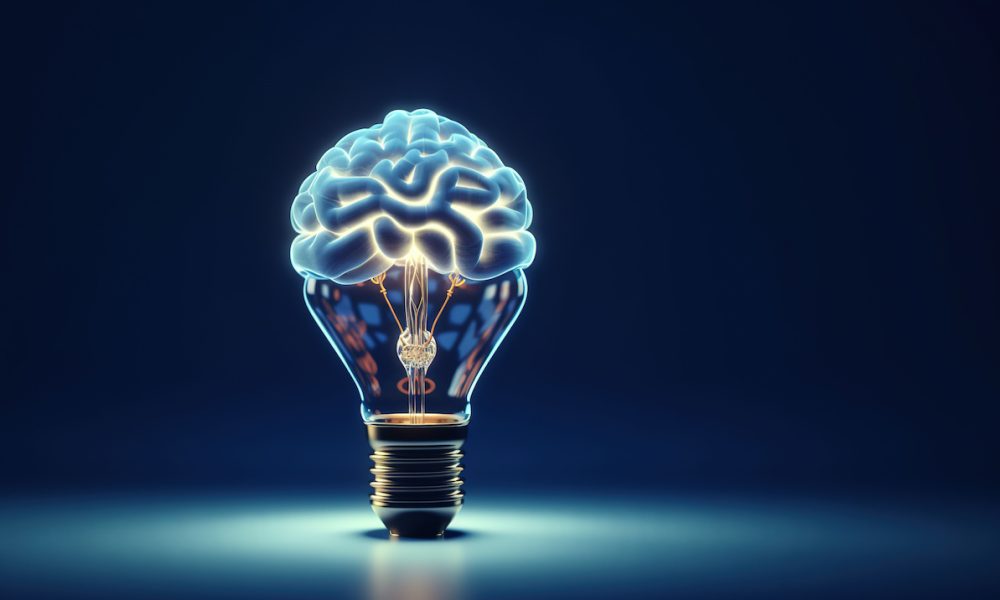
Biotech company Coya Therapeutics has provided an update on its pioneering work to slow the progression of neurodegenerative diseases. Coya Therapeutics has provided an update on a number of recent developments including its presentation on updated biomarker data in late April 2024 at the 2nd Annual Johnson Center Symposium. The data revealed that 4-HNE levels [...]
 News14 Aug
A new study has revealed that patients with a common heart arrhythmia called Atrial Fibrillation have a deficiency in the PITX2 gene which leads to less efficient mitochondria in heart cells. Published in Cardiovascular Research Journal, the study has found a gene deficiency that could lead to reduced energy production in heart cells. Deficiencies in [...]
 News14 Aug
A new study has revealed a possible explanation for the link between diabetes and Alzheimer's disease, suggesting that people with type 2 diabetes have more difficulty getting rid of a protein that may cause the disease. Results from the study, led by Umeå University, Sweden, indicate that the body in people with type 2 diabetes [...]
 News9 Aug
Charities play a cruicial role in supporting both people with brain injuries and their families. In November, NR Times and category sponsor Burnetts Solicitors will celebrate the work of these vital organisations at our the second annual awards event. You have until September 30 to get your nominations in for Charity of the Year. Head [...]
 News9 Aug
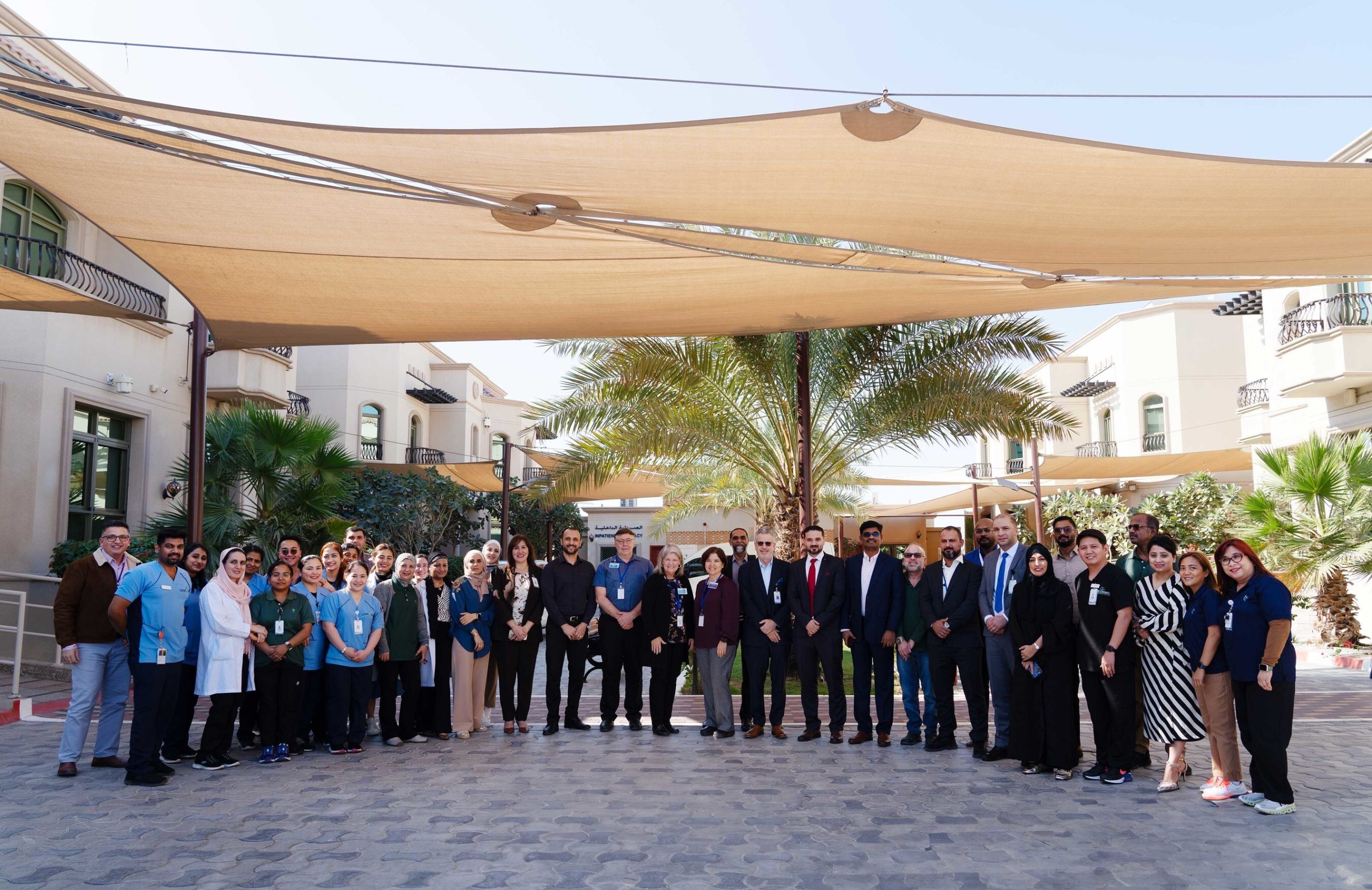
Cambridge Medical & Rehabilitation Center (CMRC) has announced that its UAE facilities in Abu Dhabi and Al Ain has received accreditation for the Stroke Specialty and Long-Term Active Care Programs. CMRC, a GCC Rehabilitation and Long-term care provider, was awarded with the three year accreditation from The Commission on Accreditation of Rehabilitation Facilities (CARF International). [...]
 News9 Aug
In a new study, scientists have shown for the first time that reactivating therapeutically-altered memories during sleep leads to more brain activity related to memory processing, which is associated with a reduction in PTSD symptoms. PTSD is a mental health disorder that can occur after experiencing or witnessing a traumatic event. People with PTSD may [...]







