



News
The latest news from across neurorehabilitation.
 News23 Aug
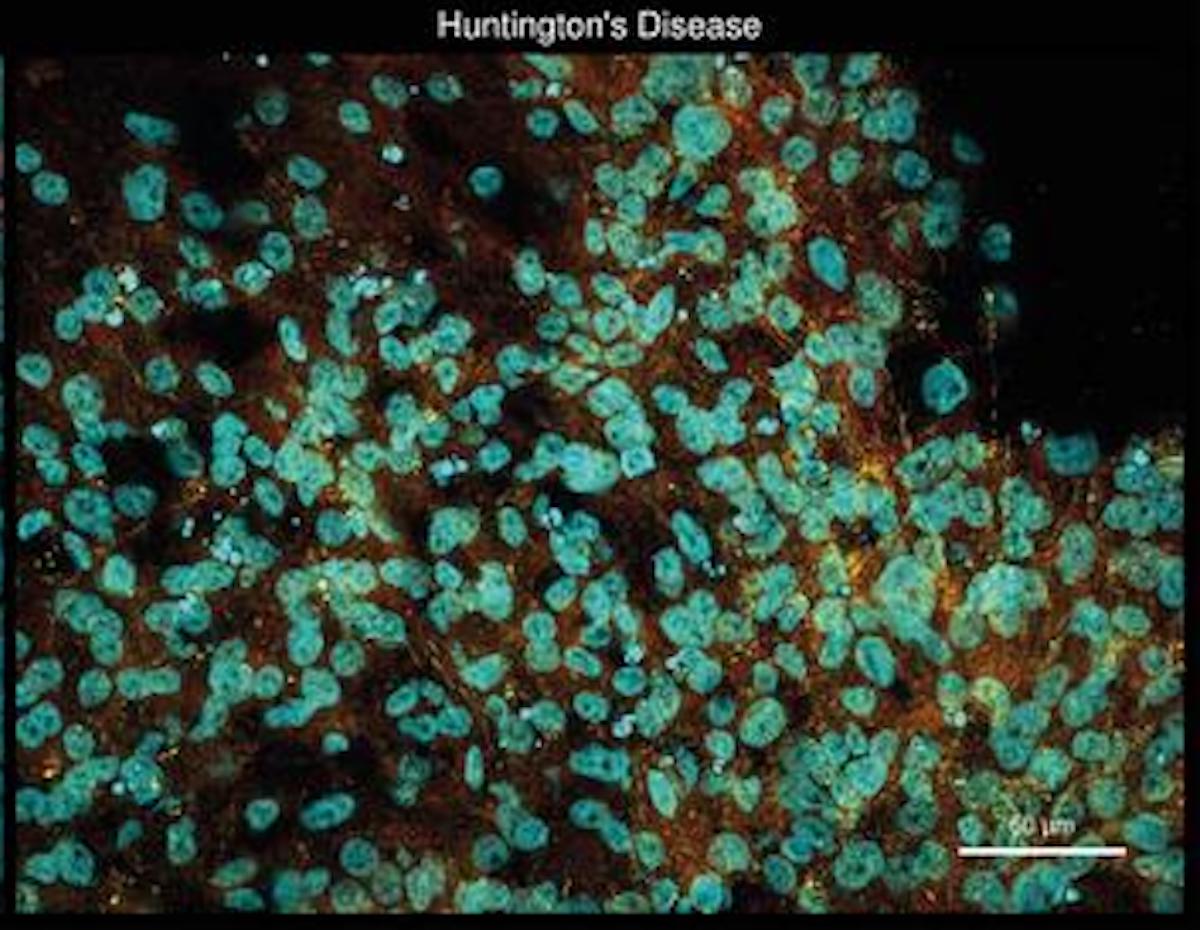
Researchers in Germany have implicated a new gene in the progression of Huntington’s disease, which may contribute to brain abnormalities much earlier than previously thought. For the first time, researchers have implicated the gene CHCHD2 in Huntington’s Disease (HD) – an incurable genetic neurodegenerative disorder – and identified the gene as a potentially new therapeutic [...]
 News23 Aug
A charity which supports disabled young people and their families across Sussex has partnered with law firm Slater and Gordon to help deliver its vital services. Amaze works across Brighton & Hove and East Sussex to give information, advice and support to families who have children with special educational needs and disabilities. The charity offers [...]
 News22 Aug
The UK Medicines and Healthcare products Regulatory Agency (MHRA) has approved a product licence for the medicine lecanemab (Leqembi) for use in the early stages of Alzheimer’s disease, following a thorough review of the benefits and risks. Lecanemab is the first treatment for Alzheimer’s disease licensed for use in Great Britain that shows some evidence [...]
 Smarter rehab22 Aug
A groundbreaking study has unveiled significant findings that could enhance brain-computer interface (BCI) technologies, marking a crucial step towards more intuitive neuroprosthetic control and advanced rehabilitation therapies. The study employed high-density electroencephalogram (EEG) recordings to delve into the neural dynamics of motor and tactile imagery. Brain-computer interfaces, devices that translate brain activity into commands for [...]
 News22 Aug
Nominate or enter our celebration of the brightest lights in neuro-rehab for free below.
 Stroke21 Aug
The risk of early heart failure after heart transplantation is lower if the donor heart is stored in a so-called heart-in-a-box instead of in the usual cooler with ice, according to new research from the University of Gothenburg. The established way of storing donated hearts before transplantation is to keep them at four degrees in [...]
 News21 Aug
For the first time, computer science researchers have developed an open-source software that allows anyone with basic coding experience to create their own low-cost, DIY sleep-tracking device. Sleep is as essential to survival as food and water. Yet, despite spending a third of our lives in slumber, it largely remains a scientific mystery. Sleep analysis, [...]
 News20 Aug
Researchers at Utrecht University in the Netherlands have identified a new way in which the toxic protein aggregates associated with Huntington’s disease may damage nerve cells and cause them to die. The study suggests that the aggregates can poke holes in the membrane that separates the nucleus from the rest of the cell, damaging the [...]
 Rehab for all20 Aug
Consultant Connect has reported that its health technology has cut the neurology waiting list at Kettering General Hospital by more than half in fewer than two months. With more than 230,000 patients on neurology waiting lists across England and an average wait time of 17 weeks, there is an increasing need for solutions that can [...]
 Families & carers20 Aug
UK charity Cauda Equina Champions has announced the launch of its unique new service to support family members, carers and friends of people affected by Cauda Equina Syndrome (CES). Family members and carers are impacted in a tremendous way after a loved one or friend develops disabilities and mental health problems, following a CES diagnosis. [...]







