



News ›
News
The latest news from across neurorehabilitation.
 Brain injury15 Mar
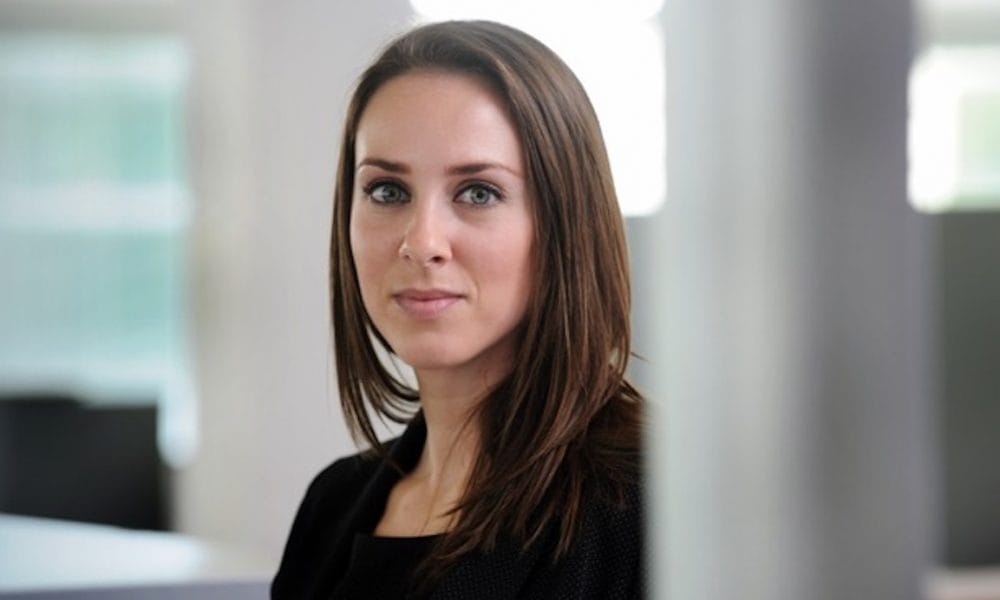
Louise Gardner, associate solicitor at Novum Law, outlines the impact of gender on brain injury and asks if there is an imbalance in the way women's brain injuries are assessed and treated.
Gender differences in brain injuries have only been the subject of research for the last 20 years. It begs the question of why this is the case, given how long we've understood concussion. Does it display historic sexism in medical research? Or a lack of knowledge that men and women's central nervous systems are different? Or is it because high-profile sporting head injuries involve men? Patient stories15 Mar
A woman who had to learn to walk again after being diagnosed with a brain tumour only weeks after the birth of her daughter is now set to run the London Marathon.
In 2015, former civil servant Marie Garnett was diagnosed with a benign meningioma brain tumour less than six weeks after giving birth to daughter Amelia. The 45-year-old had suffered from severe headaches for seven years, which had become unmanageable after Amelia’s birth, and also developed dizziness and loss of balance in the days leading up to her diagnosis. Marie was rushed to The Walton Centre where she spent more than a month as she underwent three brain surgeries, the longest of which lasted eight hours, before battling meningitis – all while trying to be a new mum from her hospital bed. News12 Mar
The adoption of telerehab during the pandemic has seen seismic changes in how many therapists engage with their clients. Here, neurophysiotherapist Leanna Luxton, co-founder of Remote Rehab, explains how embracing technology can yield lasting positive change
Nothing has challenged our thinking around the value and effectiveness of virtual rehabilitation as much as this worldwide pandemic. Virtual therapy, whilst used very effectively for decades in many fields of recovery, hadn’t, until nine months ago, been widely adopted in neurorehabilitation and so very little insight and data has been collected about its appropriateness and effectiveness with patients recovering from a brain injury or a stroke.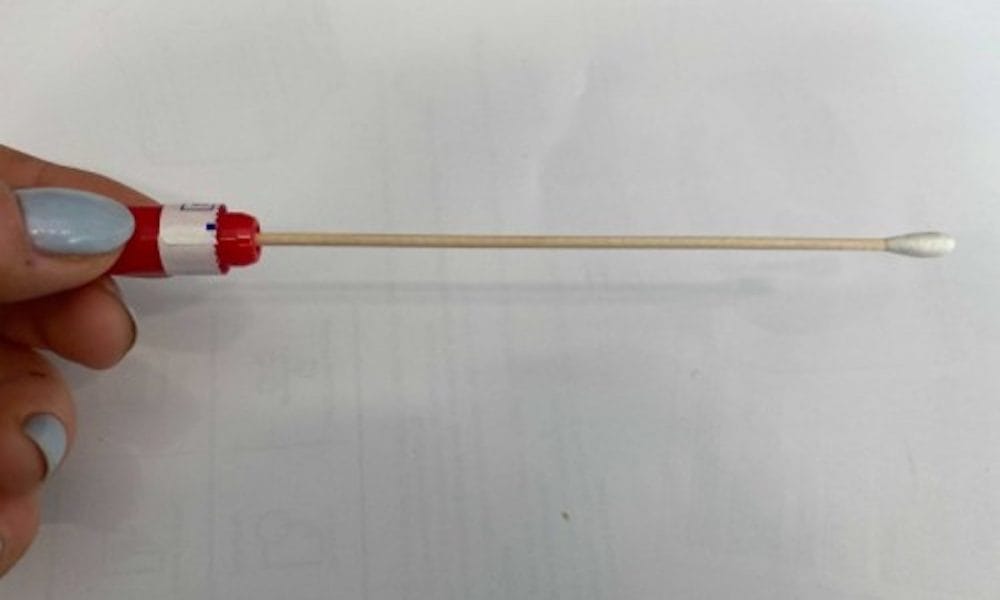 Parkinson's12 Mar
Diagnosis of Parkinson’s disease could be made through a skin swab procedure, after research confirmed it it possible to identify the condition from compounds found on the surface of the skin.
Scientists at The University of Manchester have developed a world-first technique which works by analysing compounds found in sebum - the oily substance that coats and protects the skin - and identifying changes in people with Parkinson’s disease. “We believe that our results are an extremely encouraging step towards tests that could be used to help diagnose and monitor Parkinson’s,” says Professor Perdita Barran, from the University of Manchester, who led the study. “Not only is the test quick, simple and painless but it should also be extremely cost-effective because it uses existing technology that is already widely available.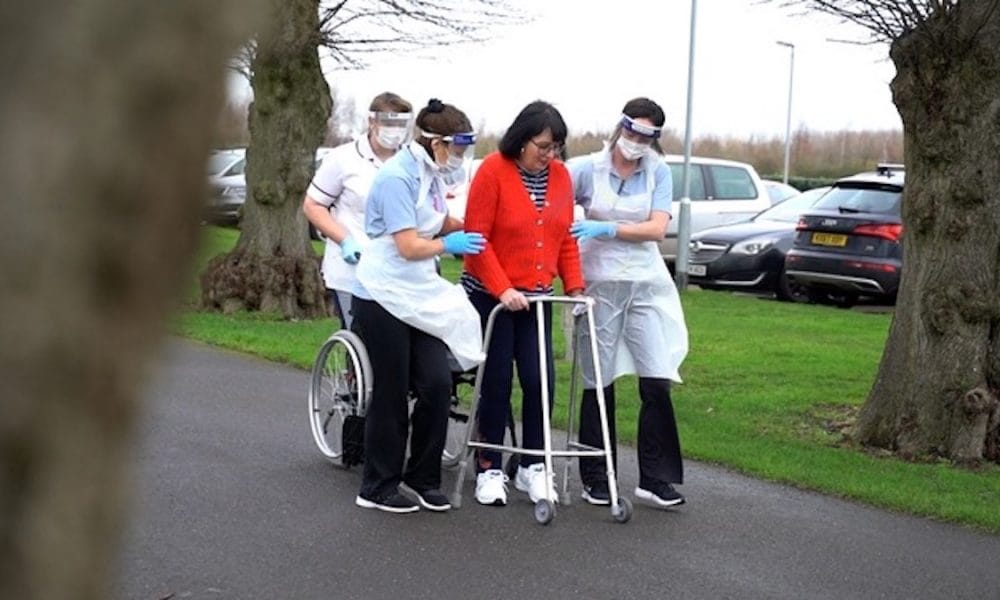 News12 Mar
A mother-of-three who was left only able to move a couple of her fingers after being struck by a rare neurological condition has been discharged from a specialist rehab centre in time for Mother’s Day - even managing to walk independently through the front door of her home.
Hayley Trotman had been in an induced coma for eight days after being diagnosed with Guillain-Barré syndrome (GBS). She spent three months in intensive care, where she had stopped breathing twice and had to be mechanically ventilated with a tracheostomy. The 44-year-old was left unable to move her body, save for a couple of fingers, and was in excruciating pain through GBS, a life-threatening condition that attacks the nerves which Hayley is believed to have contracted through a common cold. Brain injury11 Mar
New research has been launched to discover whether selective receptor blocker drugs can be repurposed to treat patients with secondary brain damage.
Traumatic brain injury is the leading cause of death and disability in those aged under 40, and while many survivors are forced to live with life-long disability, there are currently no approved drugs available to reduce the impact of such injuries on patients. Now, the Universities of Birmingham and Cambridge, backed by almost £1million from the Medical Research Council, will look into the area of secondary brain damage in two phases over the next three years. Brain injury11 Mar
A recent poll by Calvert Reconnections indicated that the majority (61%) of case managers are unclear about where brain injury sits in relation to the COVID-19 vaccination programme and the high risk (clinically extremely vulnerable) and moderate risk (clinically vulnerable) categories.
Lorna Mulholland, registered manager at Calvert Reconnections, says there are clear contradictions between the Government, who fund the vaccination programme, and the NHS who are delivering it. “With more than 1 in 3 adults in the UK now vaccinated against COVID-19 one question remains unanswered. Where does acquired brain injury (ABI) sit in relation to the vaccination programme? Stroke10 Mar
Stroke survivors must be offered a COVID-19 vaccination as part of priority group six, leading professionals in the field have stated today, amidst increasing claims that they are being denied the opportunity. With over 20 million people now having received their first dose of the vaccine, the UK’s 1.2million survivors of stroke or mini-stroke are [...]
 Care & services10 Mar
Music therapy should be commonplace in frontline care, particularly during the times of isolation brought about by the pandemic, a leading clinician and teacher has said.
Professor Kathleen Howland says the power of music can have an immeasurable impact on patients, from those in recovery through to those at the end of their lives. “I absolutely contend that music should be a frontline resource. For someone dying in isolation, music is the sound of love. It can help with grief in a way that nothing else can touch,” says Kathleen, who has practiced in music therapy for over 35 years. Smarter rehab10 Mar
A new artificial intelligence (AI) based method to screen medication as possible treatment for Alzheimer’s disease has been developed in the US.
With new treatments for Alzheimer’s desperately needed, but numerous clinical trials of investigational drugs failing to generate promising options, the breakthrough from Massachusetts General Hospital (MGH) and Harvard Medical School (HMS) could potentially make use of what is already available.


