



News ›
News
The latest news from across neurorehabilitation.
 News19 Feb
Action must be taken now to protect current and future generations of rugby players from brain injury - labelled as “the greatest threat to the worldwide game” - a newly-formed group of players and professionals from the sport has urged. Progressive Rugby unites representatives from throughout the game - from former England international James Haskell [...]
 Community neuro rehab18 Feb
Having set up in private practice 22 years ago, SP Therapy Services has watched a burgeoning sector grow around it. Here, founder Susan Pattison shares her views on its progress, and why community rehab has an ever-increasing role to play.
“We’re no longer a child who is complaining without a strong voice - we’ve grown up into the teenager who can articulate themselves.” Susan Pattison’s analogy of the specialist neuro sector is an interesting one. From setting up in business in the very early days of development for private practice 22 years ago, she has watched a thriving industry grow up around her. “When I first set up in business, it was said many times I was like gold dust,” she recalls. Stroke18 Feb
The world’s largest research study is to take place in the UK, which will investigate links between COVID-19 and life-threatening strokes.
The study will use health data from nearly all UK adults, which will allow researchers to follow the health of COVID-19 patients. Data analysts will compare stroke in patients who have tested positive for COVID-19 with patients without the virus, to confirm if the virus increases risk of stroke and by how much. The study - funded by The Stroke Association - will also analyse stroke risk and characteristics including age, sex, ethnicity and geography to identify which COVID-19 patients may be most at risk of stroke. Tech & industry17 Feb
Cutting-edge new technology can successfully classify the diagnosis and characteristics of common types of paediatric brain tumours, new research has found.
Through the use of weighted imaging, an advanced imaging technique, combined with machine learning (AI), a brain tumour’s type can potentially be classified without the use of biopsy. This will enable to tumour to be characterised and then treated more efficiently, the UK study concluded. News17 Feb
By writing a book on how to deal with chronic pain, Dr Deepak Ravindran aims to help medical professionals and patients alike to better understand the issue.
A consultant is building on his experience of supporting people with pain by writing a book which will help others to develop a mindset to understand and overcome the issue. Dr Deepak Ravindran has written The Pain Free Mindset, which brings together the experience and expertise of his 20 years working in the specialist field to increase understanding of chronic pain among patients and medical professionals alike. Through developing a new mindset, says Dr Ravindran - which can help form a new perception and response to pain - a revised approach can be adopted which can potentially remove the need for medication or surgery. Case management17 Feb
The COVID-19 pandemic has had a “significant impact” on case management practice and the lives of those living with brain injuries, early findings of a UK-wide research project have revealed.
Last year, BABICM launched a study among its members to discover the true impact of the pandemic, and how case managers and clients alike are adapting to the ongoing restrictions. The study has gathered the personal accounts of people with brain injuries across the country, and their support networks, to understand how lives and working practices have changed since March last year.
Being diagnosed with dysphagia (also referred to as swallowing difficulties) can be an overwhelming feeling. From diagnosis to understanding which foods are safe to eat, here Wiltshire Farm Foods shares tips and advice on living with the condition.
Being Diagnosed with Dysphagia Once you are diagnosed with dysphagia, your Speech and Language Therapist may recommend that you amend your diet. This will involve modifying the textures of the food you consume, making it easier and safer for you to swallow.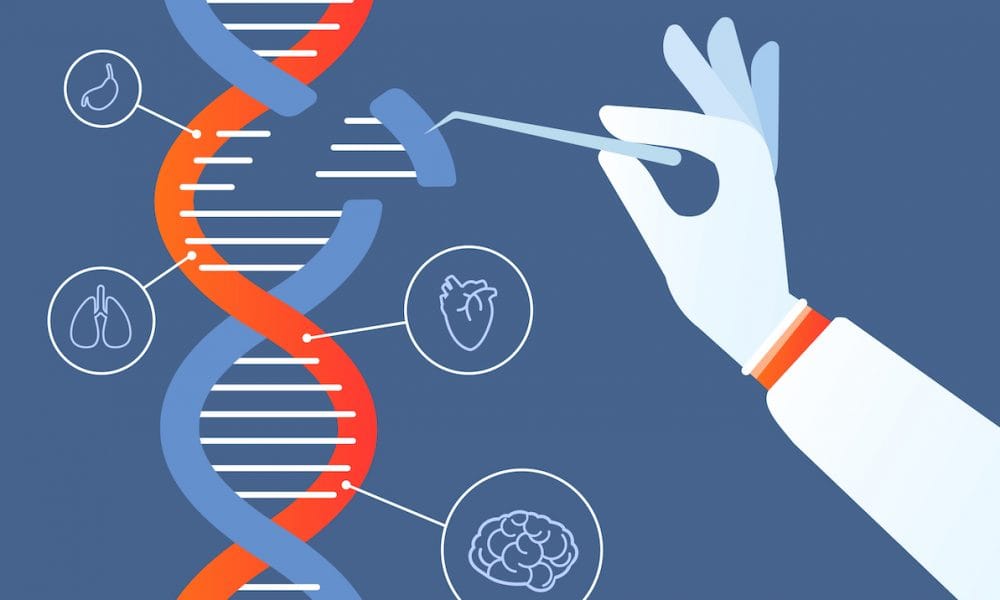 Research16 Feb
Offering routine genetic testing for Motor Neurone Disease (MND) could improve knowledge of disease classification and impact clinical care, new research has concluded.
Routine testing may be appropriate for all MND patients - whether or not they have a family history of the disease - and could impact disease sub-classification and clinical care, the findings of the Sheffield Institute for Translational Neuroscience (SITraN) study revealed. Currently only patients with a family history of MND, dementia, or who experience disease onset at a young age are routinely offered genetic screenings in the UK. News16 Feb
A new global research alliance has been created to help move forward groundbreaking therapies for people with spinal cord injury.
The partnership between the International Spinal Research Trust (ISRT) and the Christopher & Dana Reeve Foundation will see a new joint approach, which will help accelerate the progress of therapies to people living with paralysis. The two organisations have a shared commitment to bringing therapeutics that restore function and independence to the spinal cord injury (SCI) community. Patient stories16 Feb
After rebuilding his life following two life-threatening strokes aged just 14, Connor Lynes now dedicates himself to supporting other young survivors to follow his lead.
“I’m no-one special, just a kid who refused to give in.” But to the countless people who are inspired by his story of recovery, strength and optimism, Connor Lynes is so much more than that. Having had two strokes aged only 14 after sustaining a head injury while playing rugby, leaving him fighting for life, Connor now dedicates himself to supporting others, both through fundraising and by showing what life after brain injury can be.


