



Tech & industry

According to a new study, the global rehabilitation robotics market is expected to grow from US$3bn in 2024 to US$8bn by 2032, with a Compound Annual Growth Rate (CAGR) of 12 per cent from 2024 to 2032. Rehabilitation robotics is the use of robotic devices and systems designed to assist in the physical rehabilitation of [...]

Prominent neuro rehab technology innovator and UC Berkeley engineer Homayoon Kazerooni has been elected to the National Academy of Inventors. The National Academy of Inventors (NAI) has today the election of 170 inventors to its 2024 Class of Fellows, including inventor Homayoon Kazerooni. Kazerooni is a roboticist, mechanical engineering, professor of mechanical engineering, and founder [...]

Kessler Foundation research scientists have been recognised for their pioneering work in enhancing rehabilitation strategies for individuals with traumatic brain injury (TBI) with $3.4m in grant awards from the Congressionally Directed Medical Research Programs (Department of Defense). The grants will support two groundbreaking studies aimed at improving gait, balance, and overall quality of life for [...]

A new system for the non-invasive monitoring if Alzheimer's Disease will be explored by researchers which uses a single-pixel imaging to measure activity in the brain. A technique currently used in brain imaging, known as diffuse optical tomography (DOT), works well in observing the brain’s surface activity but has less capacity to measure electrical or [...]

GE HealthCare has unveiled Sonic DL for 3Dii, designed to accelerate MRI scans across a wide range of clinical applications. Initially launched in 2023 for Cardiac MRI, Sonic DL provides up to 12 times scan acceleration while maintaining diagnostic qualityiii. Sonic DL is now being extended to 3D volumetric imaging, designing it to broaden its [...]

A new study has explored the use of cranial accelerometry (CA) headsets for the prehospital detection of large-vessel occlusion (LVO) strokes. LVO strokes, which represent one-third of acute ischemic stroke (AIS) cases in the United States, are responsible for two-thirds of poststroke dependence and 90 per cent of poststroke mortality. The introduction of endovascular thrombectomy [...]

New research has demonstrated that scientists can train artificial intelligence (AI) models to distinguish brain tumours from healthy tissue. Convolutional neural networks are powerful tools that allow researchers to train AI models on large image datasets to recognise and classify images. In this way the networks can “learn” to distinguish between pictures. The networks also [...]
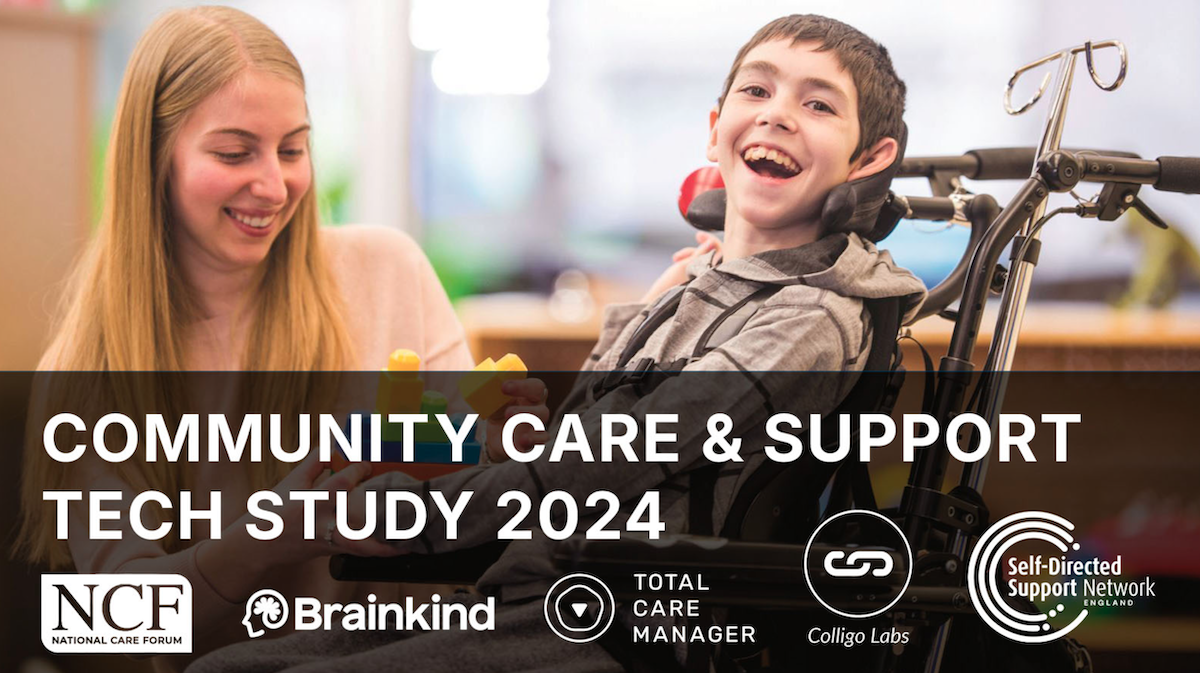
A coalition of UK care sector organisations has launched a first-of-its-kind study into the penetration of care management software in community care settings. Unlike previous studies, this survey actively seeks participation from the family members and support networks of people receiving care, including unpaid carers. The stakeholders behind the study include National Care Forum, the [...]
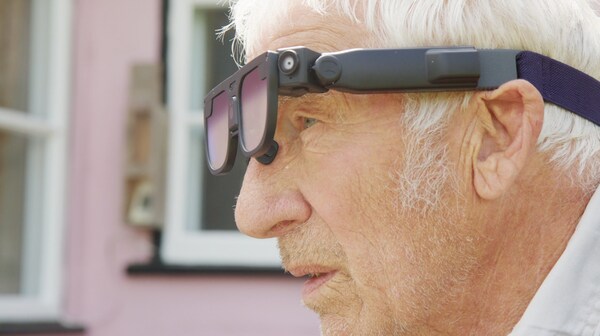
A global challenge to find new technologies that use AI to transform the lives of people with dementia has announced its five finalists. They include AI glasses to help people navigate their environment and a smartwatch that learns daily routines. The prize is rewarding the creation of new assistive technologies that use AI to help [...]

A new study has found that ethical and legal guidance is not keeping up with the fast pace of development for highly accessible, portable neuroimaging. The research team found that developers of portable neuroimaging have failed to formally address ethical, legal and social issues (ELSI) as they designed and deployed portable magnetic resonance imaging (MRI) [...]


