



Tech & industry

Augmented Reality (AR) neurorehabilitation platform, Stroll, has entered the US market in a $3 million collaboration with Cleveland Clinic. According to the parties, the agreement will see Cleveland Clinic gain an exclusive software license and become a shareholder in Strolll. Cleveland Clinic's digital therapeutic software module, Dual-task Augmented Reality Treatment (DART), will be integrated into [...]

RebrAIn has received a second FDA 510(k) clearance for its OptimMRI software which is designed to optimise targeting in stereotactic and functional neurosurgery. The OptimMRI software includes a new machine learning model to assist in targeting the infero-lateral part of the VIM for lesioning techniques such as MRgFUS and radiosurgery. This new software version already [...]

Full-time wheelchair and motorised-scooter users experience falls and fall-related injuries, and many live with the fear of falling again, new research has found. Many studies have focused on falls among people who are ambulatory and have conditions like multiple sclerosis or Parkinson’s disease, but research to address falls among those who rely on wheelchairs or [...]

NR Times speaks to leading neuro-rehab clinician Stephanie Clarke about current and future trends in care and research.
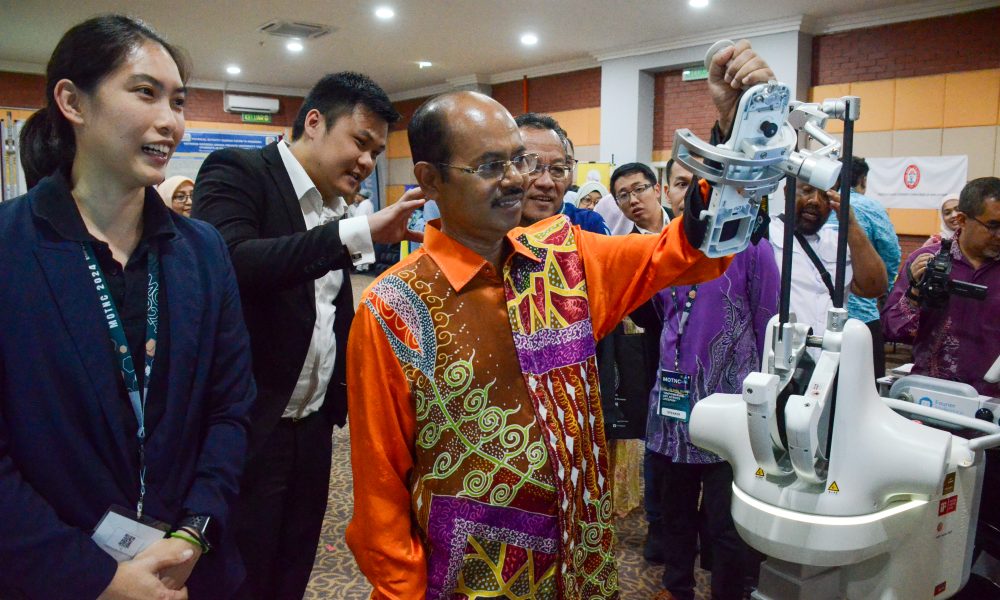
Rehab tech company Fourier Intelligence showcased its portfolio at the recent Malaysia Occupational Therapists National Conference (MOTNC 2024), held on the east coast of Malaysia. Under the theme 'Empowering Life Across the Lifespan,' the conference brought together a diverse group of occupational therapists and healthcare professionals. The event was officiated by YB Tuan Ir. Razali [...]
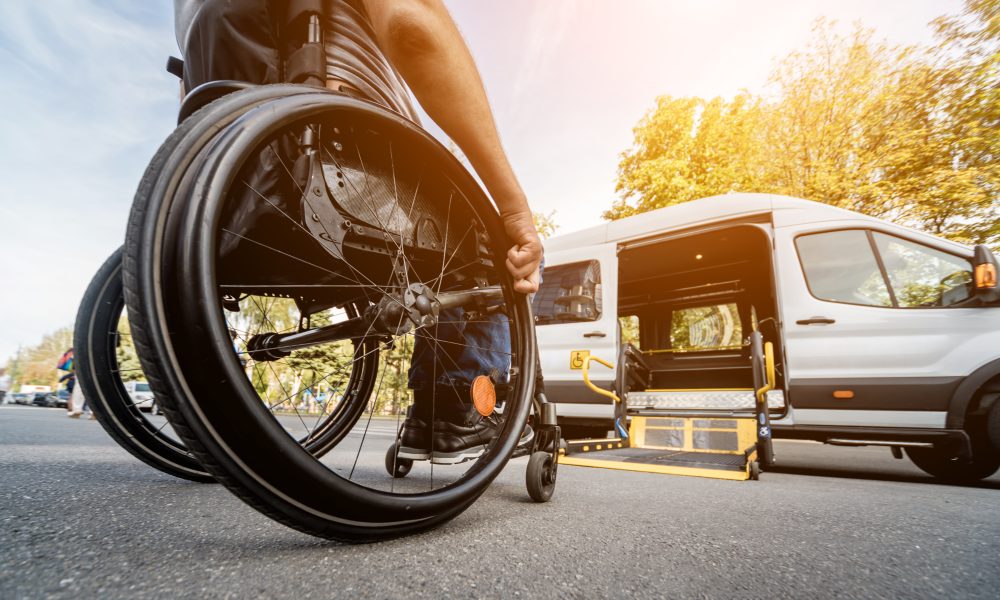
A host of leading UK mobility brands are scheduled to exhibit at a free event this May in Somerset. Nationwide providers of life-changing equipment for people with disabilities including Wheelchair Accessible Vehicles (WAVs), specialist bathing, beds, chairs, lifts, and wheelchairs, will gather for two days from Friday 10th – Saturday 11th May at Haynes Motor Museum [...]
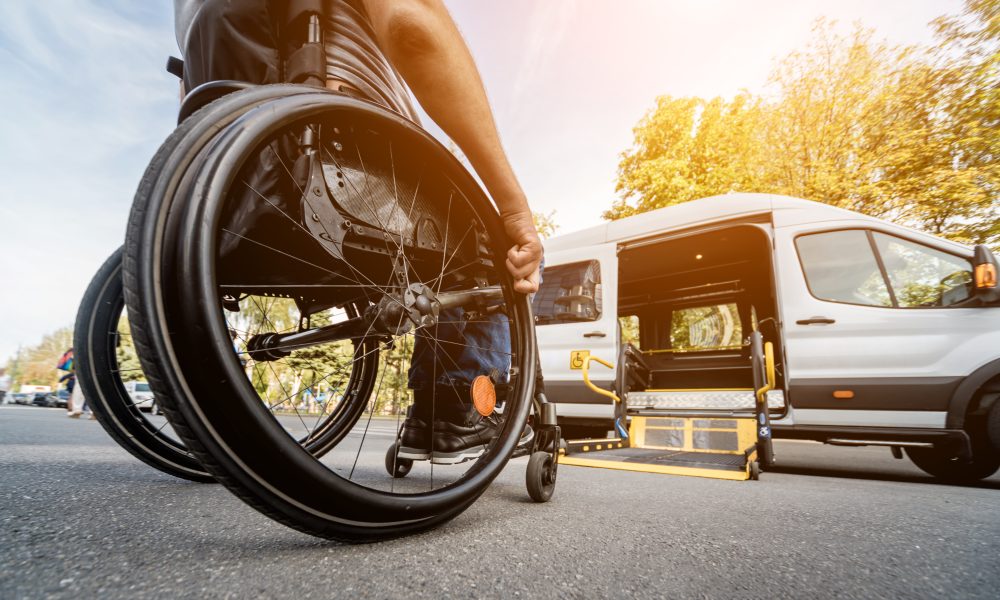
The Brotherwood WAV Show is to return to Haynes Motor Museum in Sparkford, Somerset from Friday 10th – Saturday 11th May. The annual event will be expanded for 2024 with more mobility content to discover. In addition to being able to explore and drive the latest Wheelchair Accessible Vehicles (WAVs) from specialist convertor Brotherwood, guests [...]
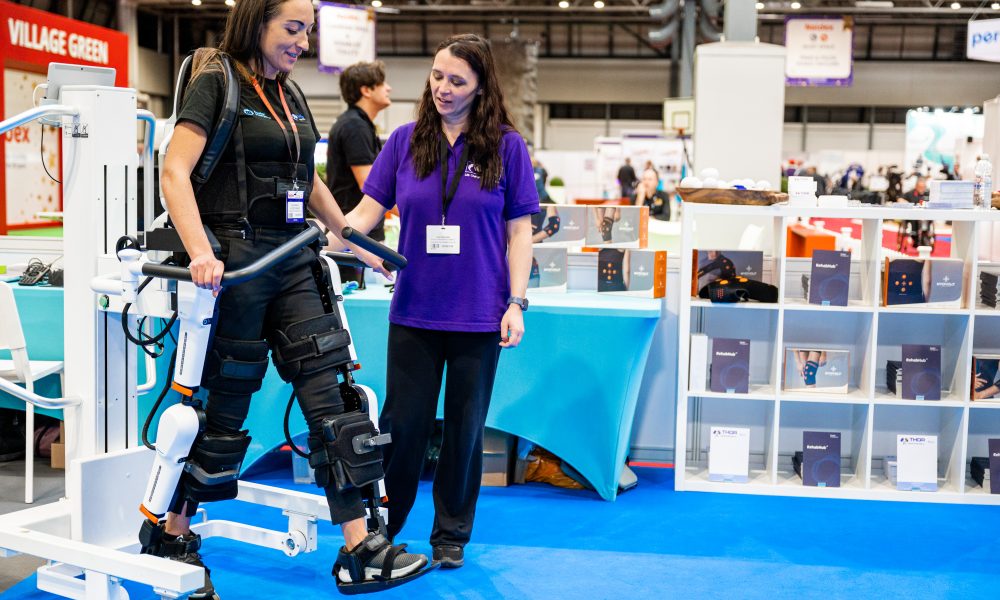
In just four weeks' time Neuro Convention takes place at the NEC in Birmingham. Neuro Convention showcases the latest innovations in the field of neurological rehabilitation including exoskeletons, virtual reality, neuro-stimulation, gait analysis, orthotics, robot-assisted therapy, whilst also maintaining a central focus on patient care and training best practices through a CPD seminar programme. Attended [...]
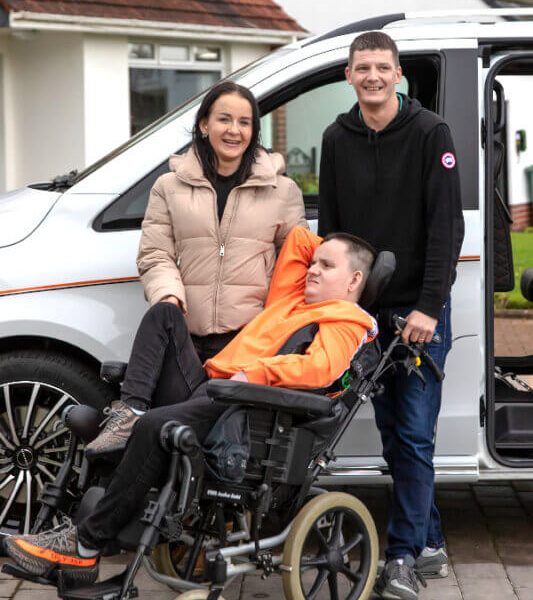
Brotherwood believes in always going the extra mile to provide vehicles that fit its clients’ needs down to the finest detail – so when Diane and Stuart Grant came to the company with a special request for a highly personalised version of the ‘Klastar’ Mercedes-Benz V-Class Wheelchair Accessible Vehicle (WAV), the team were delighted to [...]


