News
The latest news from across neurorehabilitation.
 News13 Mar
Delegates at next week's Action against Medical Accidents (AvMA) event in Bournemouth can sign up for a 5k
 Spinal injury13 Mar
NR Times reports on a perfect storm of innovations that are improving prospects for people with spinal injuries.
 Parkinson's10 Mar
CUE1 has emerged in recent years as a new tool in the fight against Parkinson's, the world's fastest growing neurological condition. The wearable, non-invasive device is designed to improve motor performance and alleviate freezing of gait. NR Times spoke to Lucy Jung, co-founder and CEO of the company behind it, Charco Neurotech, to find out more. Lucy Jung, co-founder [...]
 Brain injury9 Mar
NR Times speaks to the Community Rehabilitation Alliance on its mission to remove barriers to rehab.
 Brain injury8 Mar
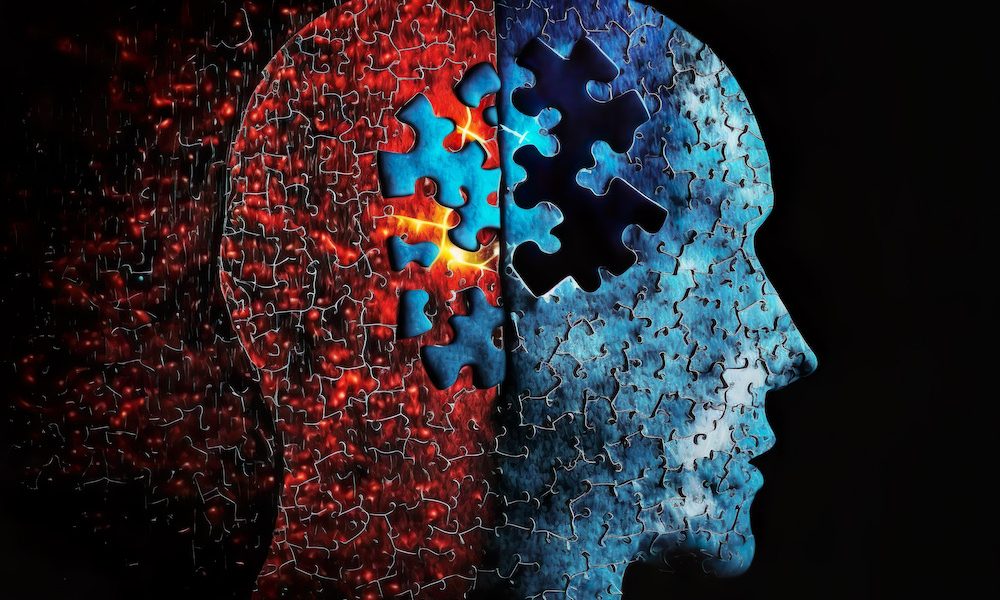
Peter Schueler shares the findings of the International Traumatic Brain Injury Research (InTBIR) initiative.
 MND / ALS7 Mar
Motor Neurone Disease research has long been underfunded, but the pathway towards better treatments - and potentially a cure - seems within reach. Over 2000 people are diagnosed with motor neurone disease (MND) in the UK each year. In the US, this figure is closer to 10,000. Of these people, a third die within the [...]
 Therapy7 Mar
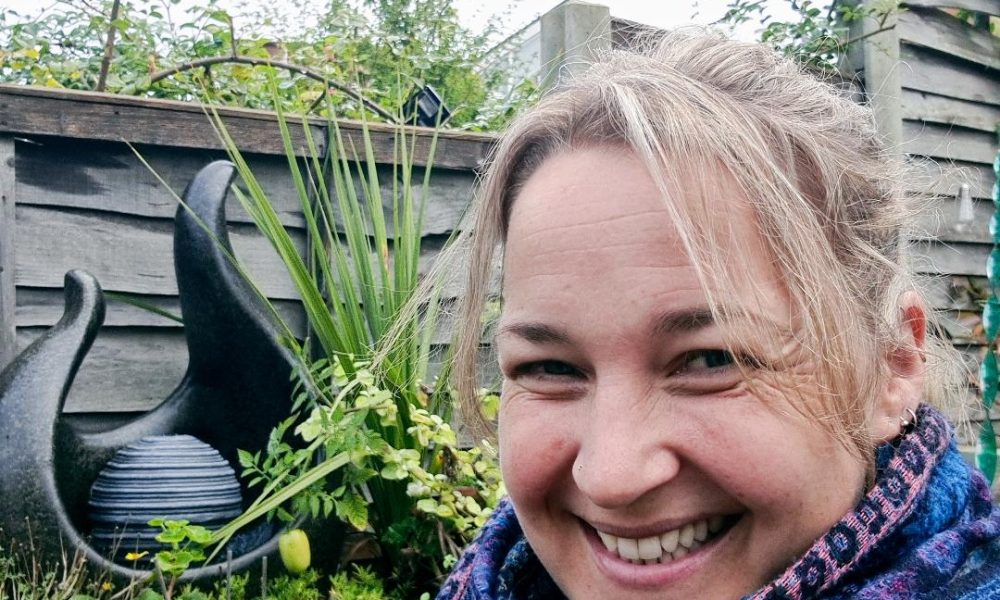
Neuro Rehab Times meets dramatherapist Katy Weston, who uses drama to help traumatic brain injury survivors.
 Concussion6 Mar
While some regard the FDA-authorised Q-Collar as a revolutionary brain injury prevention tool for athletes, some scientists are sceptical about its true efficacy. NR Times reports. A growing number of professional athletes, mostly American football players, have been seen wearing a novel device around the neck. It is said to reduce the risk of head trauma in contact sports, but the device has stirred up controversy as sceptical scientists call into question the theories behind the technology. According to the Centres for Disease Control and Prevention, from 2006 to 2014, the number of TBI-related emergency department visits, hospitalisations and deaths in the US increased by 53 per cent. Over time, repeated knocks to the head - even those that do not cause a concussion - can lead to a serious condition known as chronic traumatic encephalopathy (CTE).
 News6 Mar
The power of magic is being used to help children and young people with hemiplegia recover motor function, boost confidence and live more independently. Hemiplegia is a relatively rare condition that causes weakness or paralysis in one side of the body. In the majority of cases, the condition is present from birth. Traditional methods of [...]
 Legal3 Mar
Expert Gemma Buckland explores what recent Ministry of Justice developments will mean for the UK’s neuro-rehab community.