News
The latest news from across neurorehabilitation.
 Spinal injury30 Mar
Lack of public health capacity is leaving many spinally injured people vulnerable through lack of overnight care, trapped in inappropriate nursing homes or forced to move away from their communities.
That is according to experts at the Spinal Injuries Association (SIA) who have shared with NR Times their concerns about the impact of public health care gaps on the UK’s spinal cord injured population.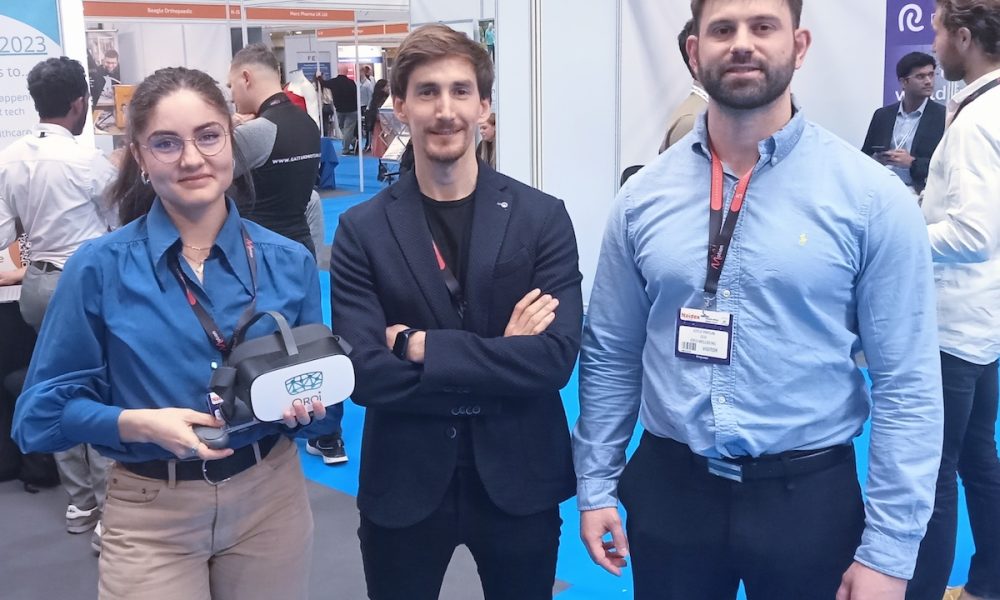 News29 Mar
Andrew Mernin heads to Birmingham to meet the experts, inventors and pioneers seeking to advance neuro-rehab this year. A health journalism cliché to emerge from the pandemic is that medical organisations – whether tech, care, pharma, research, private or public – are more collaborative now. Contributing to this idea was the relative swiftness with which vaccines were developed, thanks to various vast health and life science agents working together more closely than ever before. Also a uniting power were the challenges of social distancing and the new ways of working they forced. Any visitor to the Neuro Convention, in Birmingham, UK, could see plenty of examples to back up the case for this post-pandemic spirit of collaboration. It is a fact, however, that the neuro-rehab sector has always been more collaborative than many other healthcare fields even before the pandemic. Managing catastrophic injuries, brain and spinal conditions and complex disabilities requires a cast of professionals and innovators. They coalesce for the common good in many ways, including in multi-disciplinary teams and through the assembling call of the case manager. Here at the mammoth National Exhibition Centre (NEC), the Neuro Convention is taking place alongside Naidex, the UK’s national accessibility, inclusion and disability expo. While a whistlestop tour through the latter is dominated by slickly presented mobility tech and accessibility vehicles, it is exoskeletons and robotics that catch the eye on first entering the NC23. Organisers have created an area dedicated to these technologies – less a market square of product makers peddling their wares and more a futuristic zone with a helpful cast of rehab robotics innovators and tech-savvy neuro physios.
 News23 Mar
Nanette Mellor leaves the Liverpool-based charity after nine years
 News22 Mar
Over 40 organisations write to Government to highlight 'golden opportunity' for better support
 Video22 Mar
Event brought together charities, key professionals and families - watch it here
 Patient stories20 Mar
Ask any parent to share their biggest fear when it comes to their children and the chances are, you’ll find a common theme - a dreaded phone call from the police.
For Peter Freeman, however, it was not the phone call that burned into his memory, instead it was the moment he arrived at the hospital after his 17-year-old daughter’s car crash in 2010. Thankfully, despite two broken legs, a fractured pelvis and, most significantly, a traumatic brain injury, Nicola survived. While the initial shock may have been behind them, the Freemans’ ordeal had just begun.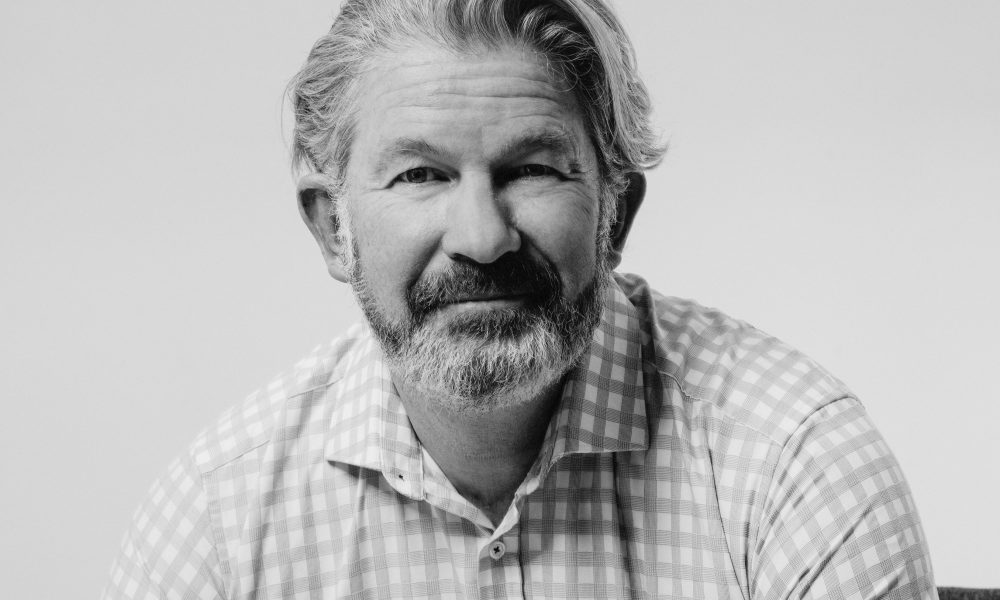 Patient stories17 Mar
Dr Bruce Powell was Australia’s longest-serving state director of organ and tissue donation, an experienced anaesthetist and head of an intensive care unit before a horrific cycling accident halted his career. During his 25-year career, Dr Powell worked as a medical officer with the Royal Navy, and as a kidney specialist, intensive care doctor and anaesthetist in the Australian health system. He led a new intensive care unit in Western Australia’s Rockingham Hospital and after introducing an organ donation operation within the facility, he was asked by the Australian Government’s organ donation authority, DonateLife, to lead their work throughout Western Australia. But his impressive career would come to a dramatic end in September 2018 when he took a trip to the east coast of Australia to compete in a charity bike ride on the Great Ocean Road.
 Research16 Mar
By Professor John A Groeger and Kate Bosak of Nottingham Trent University's Sleep Well Science project.
Sleep responds systematically to gradual biological changes that see us develop from being children into adolescents, from women who might give birth to no longer ovulating, and as we approach and hopefully enjoy old age. We conceptualise these changes in our capacity to have restorative sleep as the waxing, waning, and interplay of two pervasive influences - circadian fluctuation and the build-up and release of sleep pressure. Abrupt challenges to either process, such as losing a night’s sleep or intercontinental travel, immediately bring home the easy dependence we typically have on these continuous influences on our lives. For most of us, these challenges are either temporary, which allows us to re-adjust, or gradual, which allows a more easily paced adaptation of life’s demands, lifestyles and the sleep which enables recovery and change. This is not the case for those who encounter events which result in major trauma- which NICE defines as “an injury or combination of injuries that are life-threatening and could be life changing because it may result in long-term disability”. What we may not realise is that the profile of those living after major injury has changed very dramatically over the last couple of decades. Tech & industry15 Mar
Fourier Intelligence and Thor Assistive Technologies will be participating in one of the key dates in the UK neuro-rehab calendar next week. The companies will jointly be attending Naidex and Neuro Convention to showcase advancing technologies in medical robotics to an audience of thousands of professionals from across the country. Continuing to build its reputation [...]
 Research14 Mar
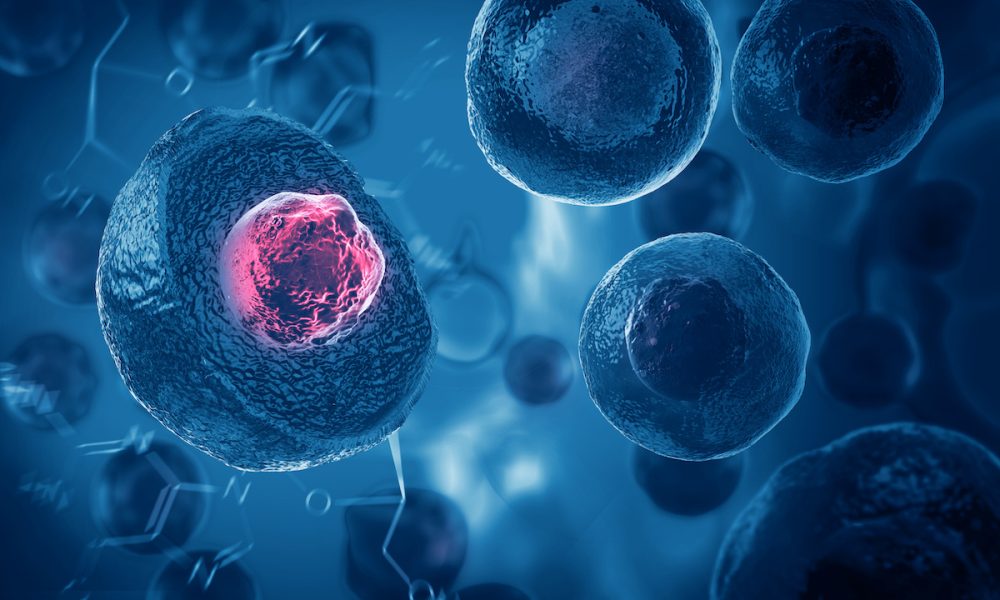
Traumatic brain injury (TBI) is a leading cause of ongoing disability worldwide. It occurs when an external forces traumatically injure the brain, leading to structural damage, related functional changes, and neurological deficits.
The severity of TBI can range from mild, moderate, to severe, with symptoms ranging from headaches, dizziness, and confusion to seizures, paralysis, and coma. But let’s be clear, even a “mild” traumatic brain injury can be associated with disabling symptoms. Unfortunately, there has been no cure for TBI, and the available treatments focus on supportive care and symptom management. It was traditionally taught that there may be improvements for 12-18 months after brain injury through various types of retraining and therapy, through a process called “plasticity,” where under-used parts of the brain can take up duties of injured parts. However, recent advances in regenerative medicine have sparked excitement in the use of exosomes and stem cells as a potential assistive approach to address the lingering and previously considered permanent effects of TBI.