



News
The latest news from across neurorehabilitation.
 Stroke19 Aug
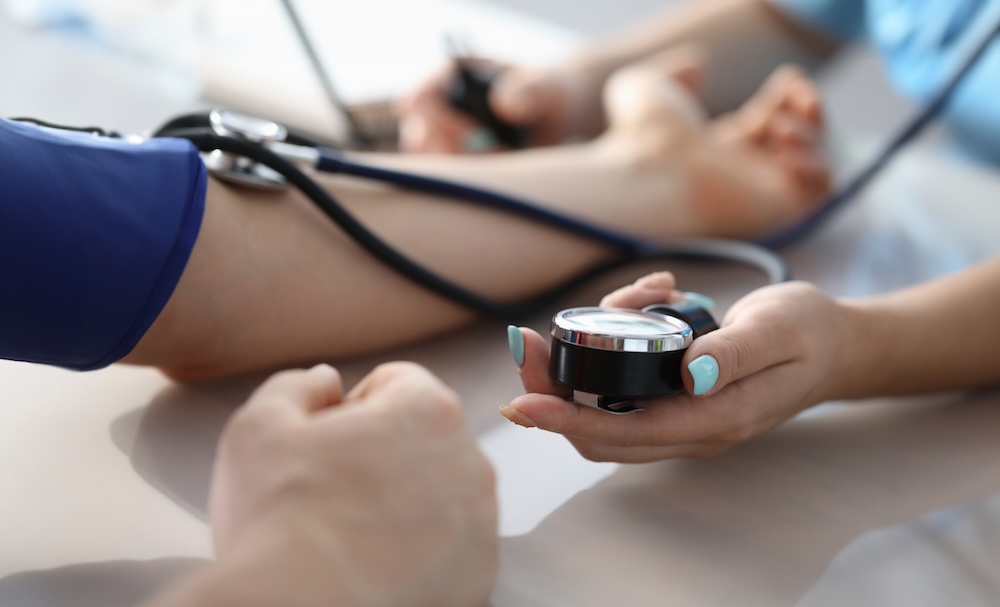
Targeted blood pressure control may reduce repeat stroke risk after intracerebral haemorrhage, a meta-analysis of nearly 3,000 patients suggests. Intracerebral haemorrhage, or ICH, is a type of haemorrhagic stroke caused by bleeding within the brain. Patients receiving intensive blood pressure-lowering treatment had a 38 per cent lower risk of recurrent stroke than those receiving less [...]
 Spinal injury19 Aug
A flexible device may help restore multiple functions after spinal cord injury by interpreting signals linked to movement, sensation and organs. The device wraps around the spinal cord and can interpret several types of signals at once. Preclinical studies found the device could accurately detect signals associated with intended movement, distinguish sensory information and identify [...]
 Stroke18 Aug
A stroke drug may help preserve and repair myelin damaged by multiple sclerosis, according to a review of animal studies. Nimodipine was also linked to reduced inflammation, nerve damage and disease severity in several of the studies reviewed. Myelin is the protective coating around nerve fibres that is damaged in multiple sclerosis, or MS, disrupting [...]
 Brain injury18 Aug
By Natalie Mackenzie, BIS Services A few years ago, I wrote a book. Not the kind you curl up with, but the kind that sits on a rehab shelf, or in a therapy room, and helps someone make sense of one of the most misunderstood parts of life after brain injury: fatigue. Those working in [...]
 Parkinson's18 Aug
Tai Chi may improve motor symptoms, physical function and quality of life in people with early to mid-stage Parkinson's, a small trial suggests. A 14-week programme combining resistance and stretching exercises led to similar overall improvements in motor symptoms, although the two approaches appeared to have different physical benefits. Tai Chi appeared to have relatively [...]
 Spinal injury18 Aug
By Spinal Injuries Association with R.F.Hunt In 2006, Arshad (Ash) Mahmood (54) from Bradford was diagnosed with Cauda Equina Syndrome, a compression of the nerves in the lower spine. After emergency surgery, Ash’s right leg was still numb below the knee and he was experiencing nerve pain, but he could walk using crutches. However, in [...]
 Parkinson's17 Aug
New findings on dopamine disruption could point towards treatments targeting Parkinson's disease at an earlier stage, researchers suggest. Scientists found that disease-causing genetic mutations can disrupt the brain's production of dopamine. The findings could help researchers investigate treatments aimed at vulnerable neurons earlier in the disease process. Researchers at Northwestern University examined [...]
 Therapy17 Aug
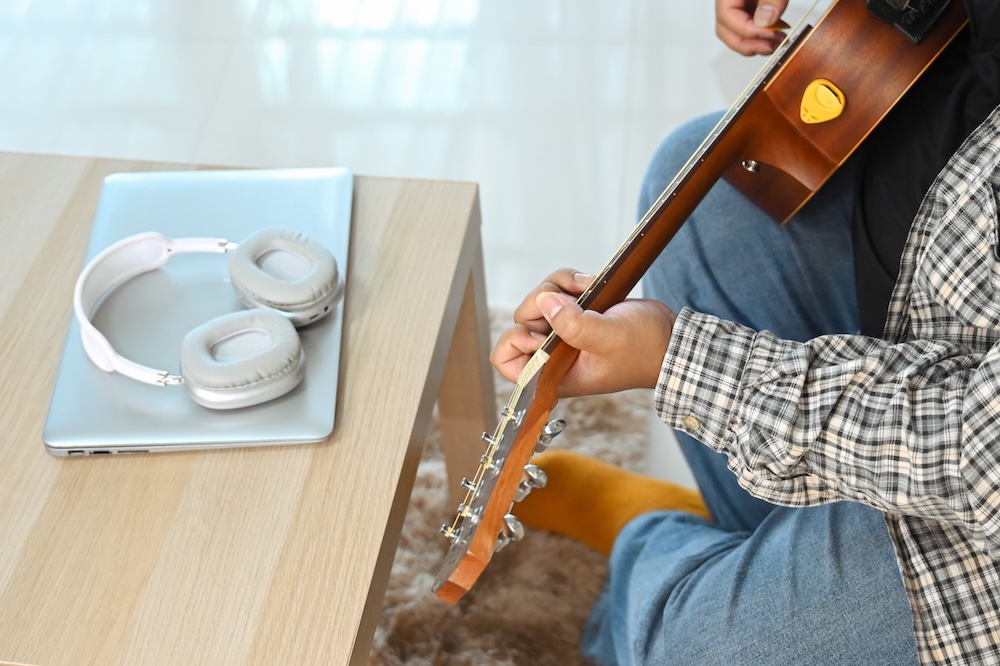
By Chiltern Music Therapy Neurologic Music Therapy is an evidence-based clinical treatment system of 20 techniques that use music to support the development of, rehabilitation of, or maintenance of speech and language, cognition, motor skills, and psychosocial function. NMT-trained therapists work with patients in neurorehabilitation across a range of settings, but may also work with [...]
 Stroke17 Aug
Four members of the same family will swim the English Channel in a relay to raise money for the Stroke Association. Ryan Godfrey, 52, from Faversham, will take on the challenge with his sons Nathan, 22, Alex, 20, and Ben, 18, braving the world's busiest shipping lane. The family said they were [...]
 Tech & industry17 Aug
Brain state may help predict how people with epilepsy respond to electrical stimulation, a study suggests. Researchers found that the same electrical stimulation could have markedly different effects depending on patterns of brain activity immediately beforehand. The results suggest that timing treatment according to a patient's current brain activity could make neuromodulation more consistent. Neuromodulation [...]







