


News
Gut microbes may help reveal Parkinson's risk years before symptoms appear, according to research. Researchers found signature changes in the gut microbiome, the community of bacteria living in the gut. The changes were more pronounced in people with a genetic risk of Parkinson's and more stark in those diagnosed with the disease. The signature could [...]
By Greg Richardson-Cheater, Richardson Care When looking after vulnerable adults, the importance of a caring and respectful workplace culture may sound obvious. Sadly, however, news headlines tell us that it’s not always the case. In addition, someone with a brain injury or severe learning disabilities may have complex emotional, as well as physical and cognitive [...]
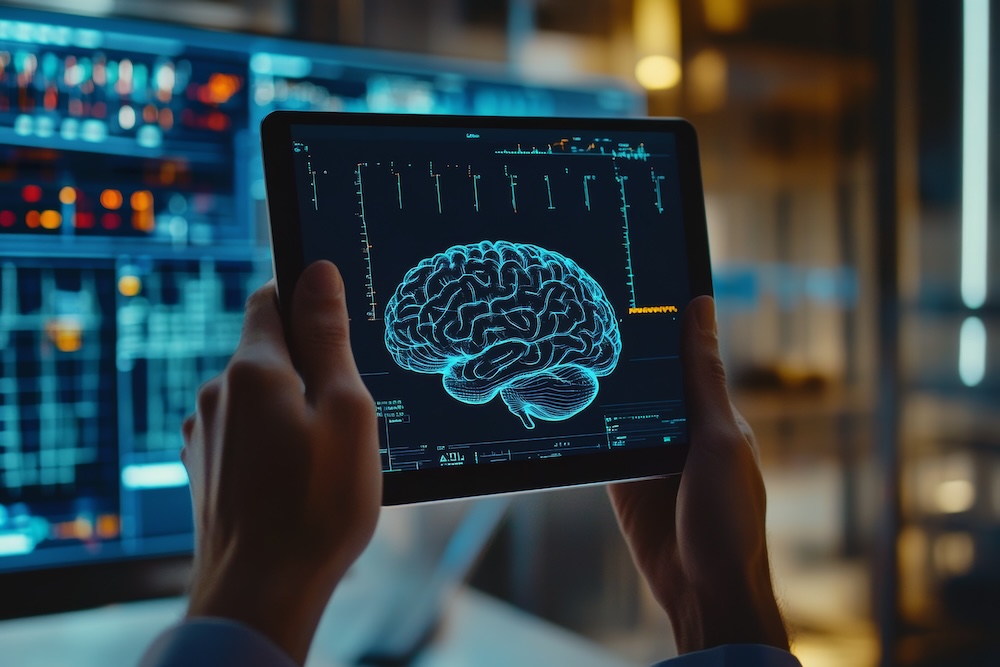
3D brain sensors tailored to each person could improve monitoring and treatment of neurodegenerative disease, researchers say. Traditional brain sensors, known as bioelectrodes, are tiny devices that track signals in the brain. They are usually made from stiff materials in a one-size-fits-all design that struggles to match the brain’s complex structure. Researchers have developed a [...]
Almost half, 48 per cent, of people with multiple sclerosis have been challenged for using accessible facilities such as disabled toilets, with some being shouted at, harassed or spat on, a survey has found. More than 150,000 people in the UK live with the autoimmune disease, which affects the brain and spinal cord and is [...]

Leading neurorehabilitation charity Neurokinex is delighted to announce it has received over £19,000 of National Lottery funding to support its Step Up Scheme, enabling 40 individuals to access vital early-stage rehabilitation following spinal cord injury. The Step Up Scheme offers six free sessions of activity-based rehabilitation to people who are newly injured or diagnosed within [...]
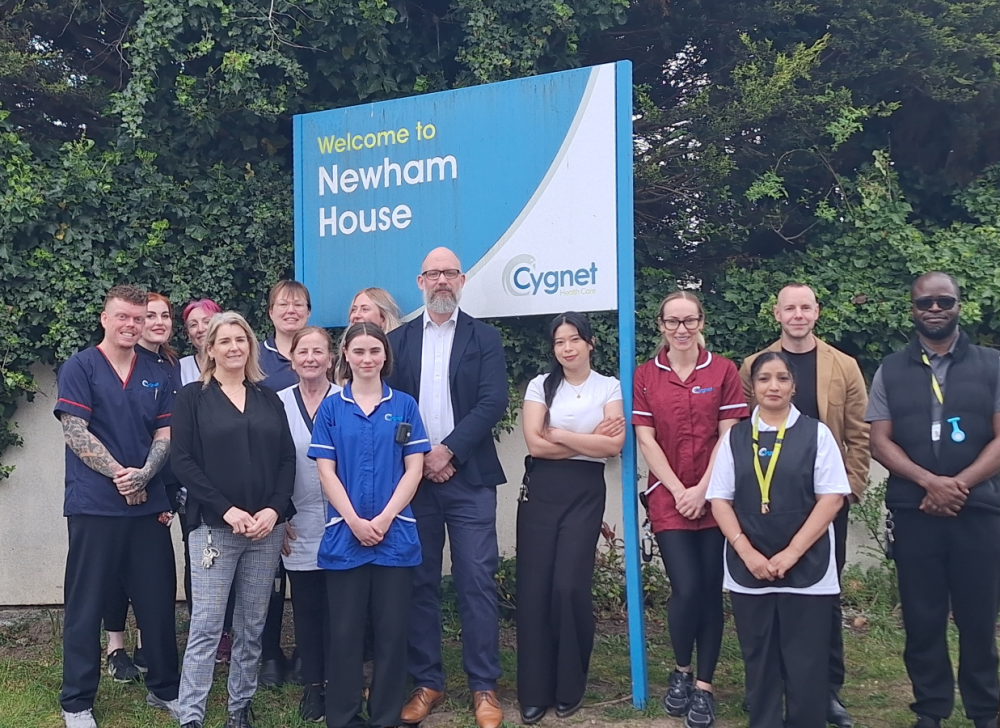
A hospital in Middlesbrough which supports women affected by brain injuries has had its leadership rated ‘Outstanding’ following an inspection by the Care Quality Commission. Cygnet Newham House, on Hemlington Village Road, a 20-bed neuropsychiatric care and treatment facility providing rehabilitation for women affected by acquired brain injuries (ABI), was rated Outstanding in Well-Led and [...]

E-bike and scooter crashes are driving more brain injuries and spine trauma among riders and pedestrians in cities, research shows. Led by NYU Langone Health researchers, the study found these injuries now account for nearly 7 per cent of trauma patients admitted to a New York City hospital. The research analysed 914 patients treated over [...]
Asundexian cut stroke risk without raising bleeding risk in a large international trial in people treated after stroke or mini-stroke. The study involved 12,327 adults from 37 countries who were enrolled within 72 hours of a non-cardioembolic stroke, caused by a clot forming outside the heart, or a transient ischaemic attack, a temporary blockage of [...]
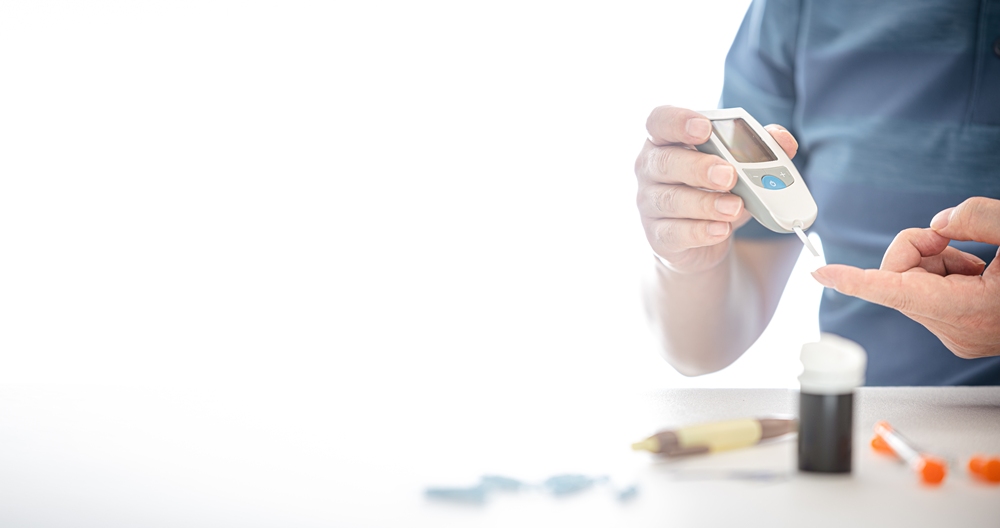
People with type 2 diabetes face higher MS risk, with a review finding they are nearly 60 per cent more likely to develop the condition. The analysis did not, however, find clear evidence that MS increases the likelihood of developing diabetes. MS, or multiple sclerosis, happens when the immune system mistakenly attacks the myelin sheath, [...]

A new tool could improve Parkinson's diagnosis, helping doctors identify the disease faster and start treatment earlier. The Clinical Decision Support platform for Parkinson's Disease, or CDS-PD, uses machine learning, a form of AI that spots patterns in data, to support a physician's clinical decision-making in real time during a patient's visit with a Parkinson's [...]


