


News
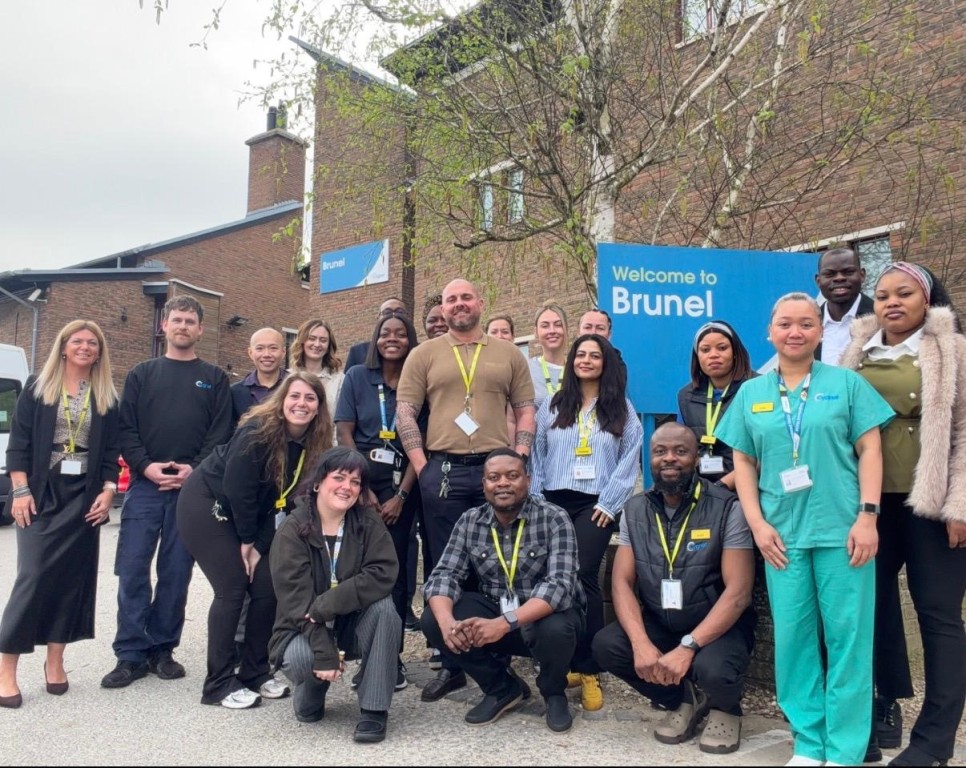
A hospital in Henbury which supports men with brain injuries is celebrating after being recognised by a regulator for achieving outcomes “better than expected” and for being described as “exceptional and distinctive”. The Care Quality Commission has rated Cygnet Brunel, on Crow Lane, Henbury, as Good overall, with the Cygnet hospital achieving an Outstanding rating [...]

An early trial suggests a targeted Parkinson’s treatment could safely cut a key protein linked to the disease, though larger studies are still needed. The drug, known as BIIB094, targets LRRK2, the most common genetic contributor to Parkinson’s disease. Variants in LRRK2 are known to increase the risk of developing the neurodegenerative disorder, which affects [...]

Government plans for a right to try scheme would let disabled people try work without losing benefits, but campaigners say more is needed to tackle hostile workplaces. Legislation laid before Parliament on Thursday will mean that people who start work or volunteering no longer automatically face a benefit reassessment, a prospect disabled people said was [...]
By Chiltern Music Therapy One of the striking features of Neurological Music Therapy (NMT) is its ability to simultaneously achieve traditional clinical outcome measures while authentically meeting patient-centred outcome measures (PCOMs). In an evaluation of Chiltern Music Therapy’s Neurological Music Therapy service at Chapel Allerton Hospital, 64.75 per cent of patients met their SMART rehabilitation [...]

Fish oil may increase CTE risk after brain injury, with a study suggesting the common supplement could worsen the long-term effects of repeated head knocks. CTE is a degenerative brain condition linked to repeated head impacts, including so-called mild concussions in contact sports. Symptoms such as mood swings, memory loss and depression may not appear [...]
An MS patient is campaigning for a carer hospital access law to help disabled patients receive extra support in hospital. Nina Parry, from Swindon in Wiltshire, said some people with disabilities worried they would not be able to have their carers at their side if they were admitted to hospital. Currently, carers can make themselves [...]

Researchers are calling for a re-evaluation of guidelines used in the care of children with traumatic head injuries following the first multicentre study of its kind in the UK. The paper suggests that the existing intracranial pressure thresholds used for treatment should be lower in children than in adults. Intracranial pressure means the pressure inside [...]
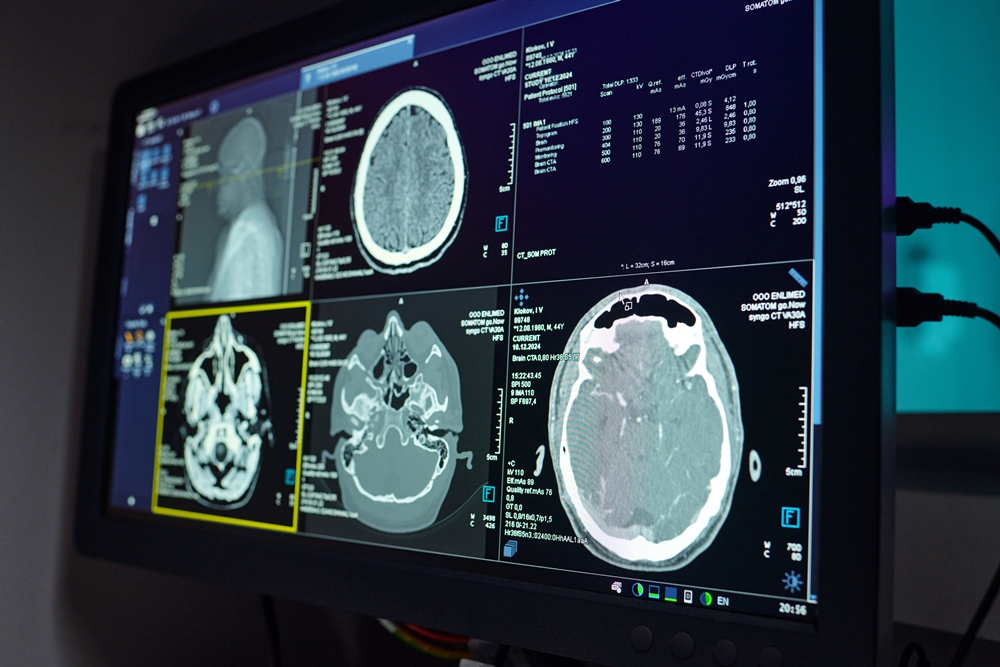
Seven of England’s 24 stroke centres still do not offer stroke therapy 24/7, despite pledges to make it available across England by 1 April, a Guardian investigation has revealed. The health service was expected to improve stroke care by making a clot-removal technique called mechanical thrombectomy available everywhere in the country 24/7 from 1 April. [...]

Rochdale’s Ashbrook Neuro Rehabilitation has begun a new chapter with a new registered manager focused on improving social connections for people with acquired brain injuries, and a refurbishment project also underway. With a 28-year career in health and social care, Donna Bunce has a wealth of experience in transforming the standards of each service she [...]
By Claudette Joint, Clinical Lead, Unite Professionals Case Management When a young personal trainer sustained life-changing injuries in a UK road traffic accident, the expectation was that his rehabilitation journey would be challenging. The complexity increased further when he returned to Brazil shortly after discharge, with no access to the therapy, specialist input or funding [...]


