News
The latest news from across neurorehabilitation.
 Huntington's12 Aug
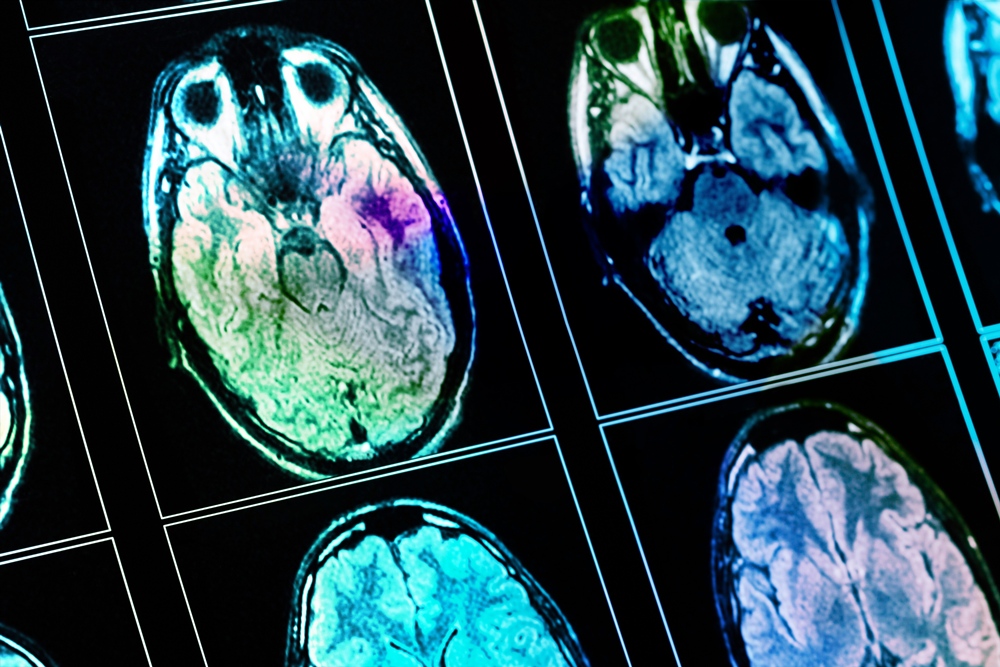
A new imaging technique could help track Huntington's disease by detecting microscopic changes in brain tissue that conventional scans may miss. Researchers found the approach could identify abnormalities in brain regions affected by the inherited neurological condition. The findings could eventually help monitor disease progression and assess experimental treatments, although larger and longer-term studies are [...]
 Stroke12 Aug
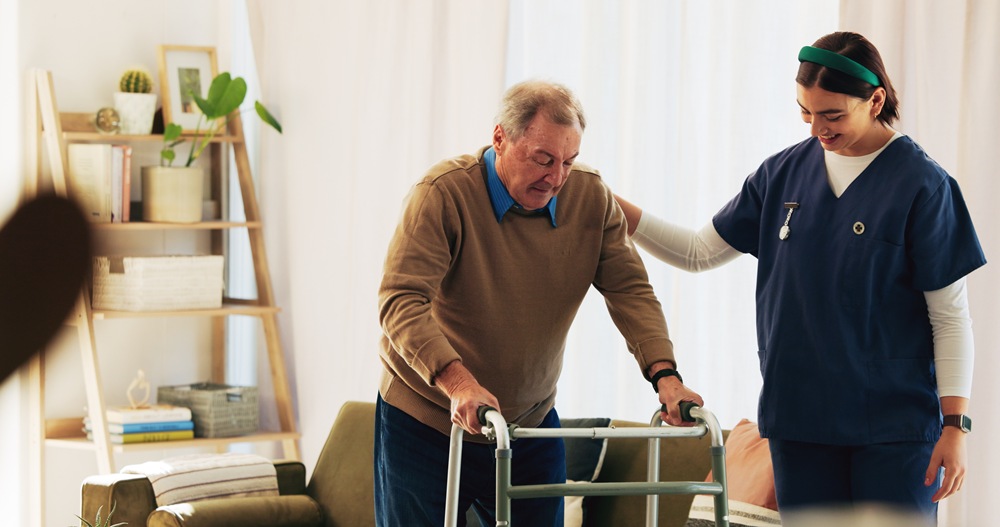
The Scottish Government is still “failing stroke patients”, a charity has warned after targets were missed for an eighth consecutive year. The annual stroke care report published by Public Health Scotland found a 3.6 percentage point increase in patients receiving the care bundle: a swallow screen, brain imaging, aspirin and admission to a stroke unit. [...]
 Multiple sclerosis12 Aug
People with multiple sclerosis (MS) who take part in structured exercise programmes tend to report lower levels of fatigue, according to an umbrella review. The strongest evidence was found for cardiorespiratory exercise. Resistance training, which often involves weights or resistance bands, was also linked to lower self-reported fatigue, although results varied more between studies. Fatigue [...]
 Stroke11 Aug
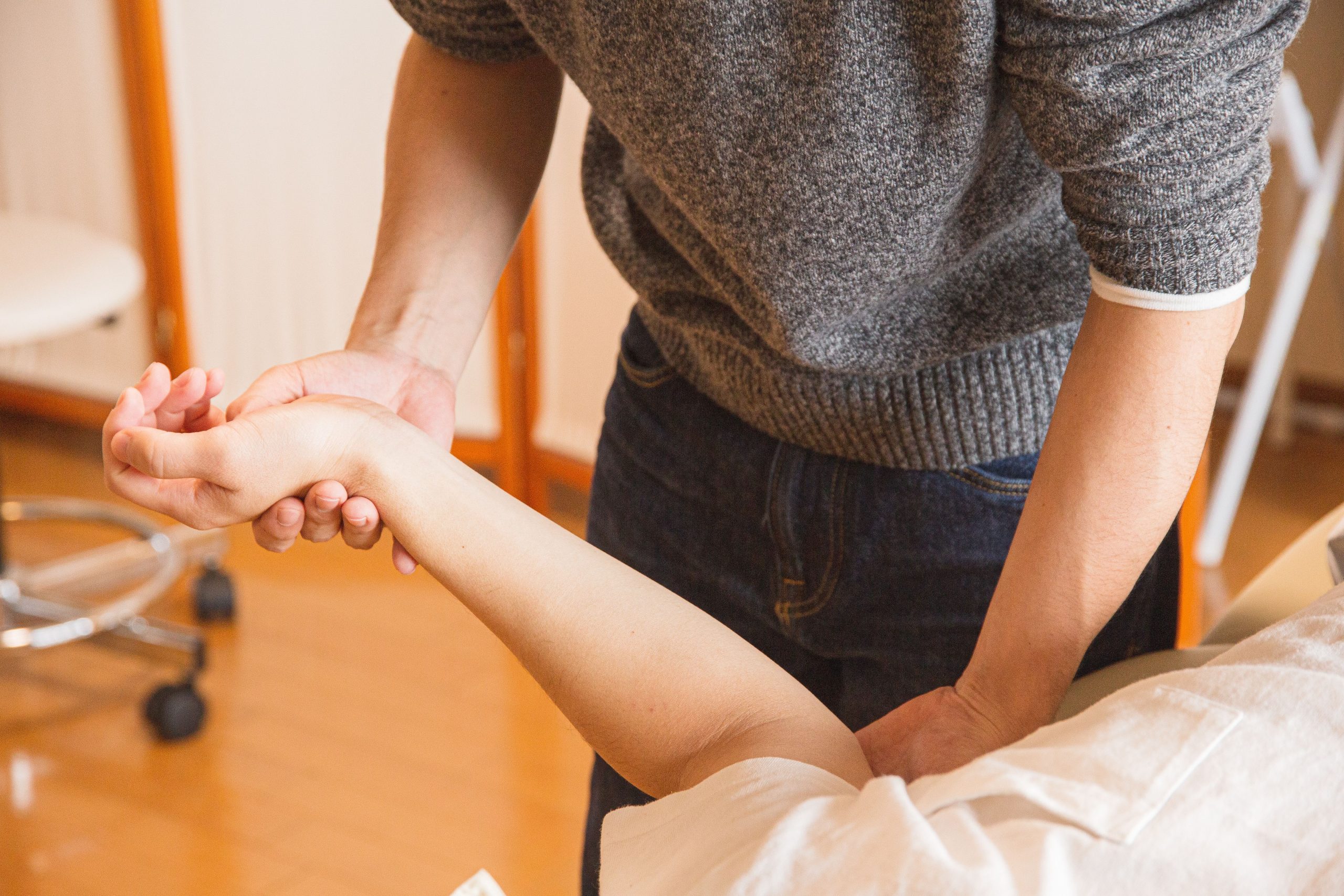
A spinal implant helped seven stroke survivors improve arm and hand mobility during a four-week pilot clinical trial, researchers found. Participants had profound movement impairments and received electrical stimulation alongside less than nine hours of painless movement training. All seven experienced improvements regardless of their initial level of mobility. The University of [...]
 Care & services11 Aug
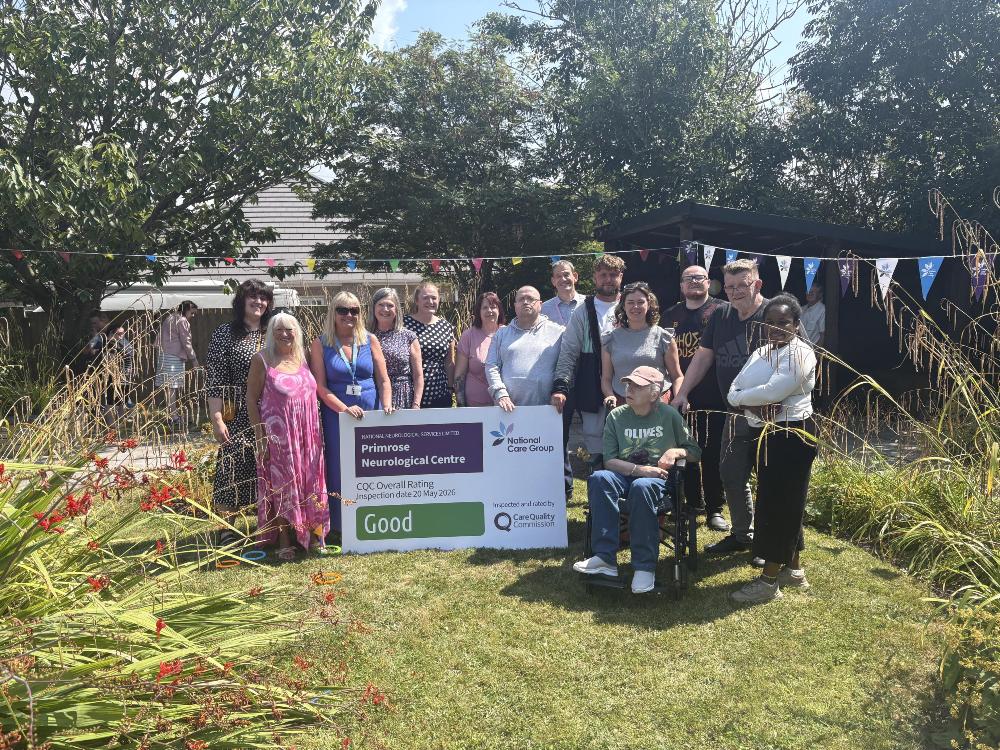
Primrose Neurological Centre, in Morecambe, has been rated Good by the Care Quality Commission (CQC). This is a landmark moment following years of frustration over a pandemic-related reinspection delay. Primrose Neurological Centre, National Care Group’s specialist neurological rehabilitation service, operated by National Neurological Services, supports people living with complex neurological conditions, mental health challenges and dementia. It [...]
 Parkinson's11 Aug
A former professional rugby player who represented Ireland at under-20 level has begun an 18,000-mile world cycle to raise £50,000 for a Parkinson's charity. Ciaran Booth and his girlfriend Lucy Pickersgill, both 26, set off from Manchester Rugby Club in Stockport and plan to travel about 30,000km through around 30 countries over 18 months. The [...]
 News11 Aug
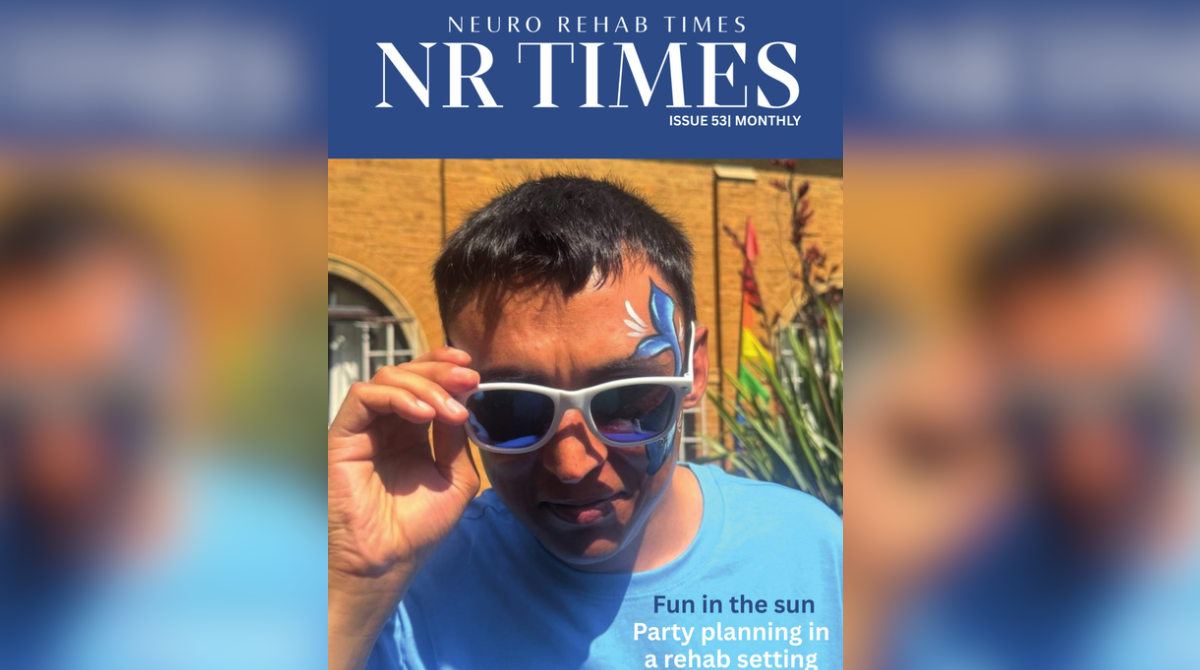
The new issue of NR Times is life and packed with exclusive brain and spinal injury insights. If there is a thread running through this month’s stories, it is what recovery looks like when the right people refuse to accept the situation in front of them. Sometimes that person is the survivor. Andy Read, whose [...]
 Brain injury11 Aug
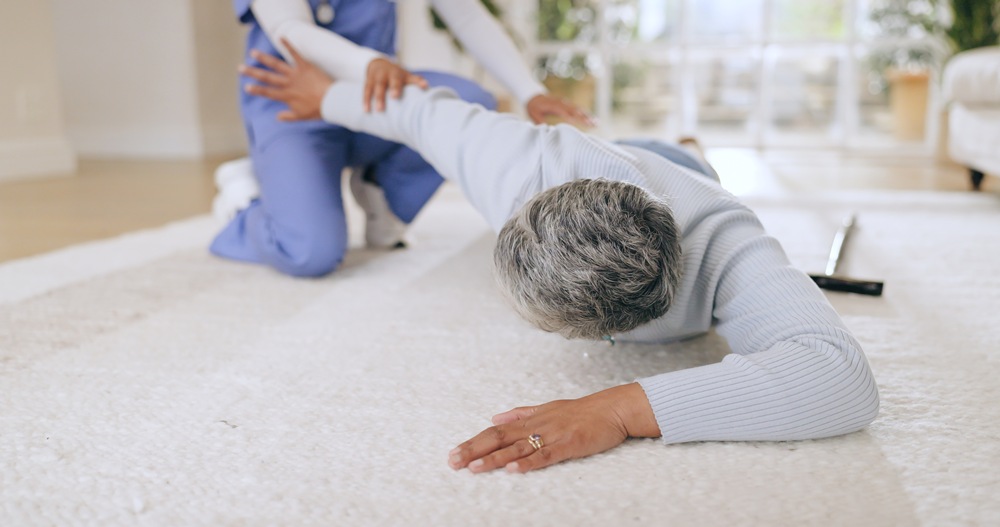
A coroner has called for NHS 111 to revise its head injury scripts after a woman died from a care home fall that staff 'downplayed'. Christine Clegg, 79, died after an unwitnessed fall led to a traumatic brain injury at Kesteven Grange Care Home in Hull in June 2025. A staff member at the care [...]
 Brain injury10 Aug
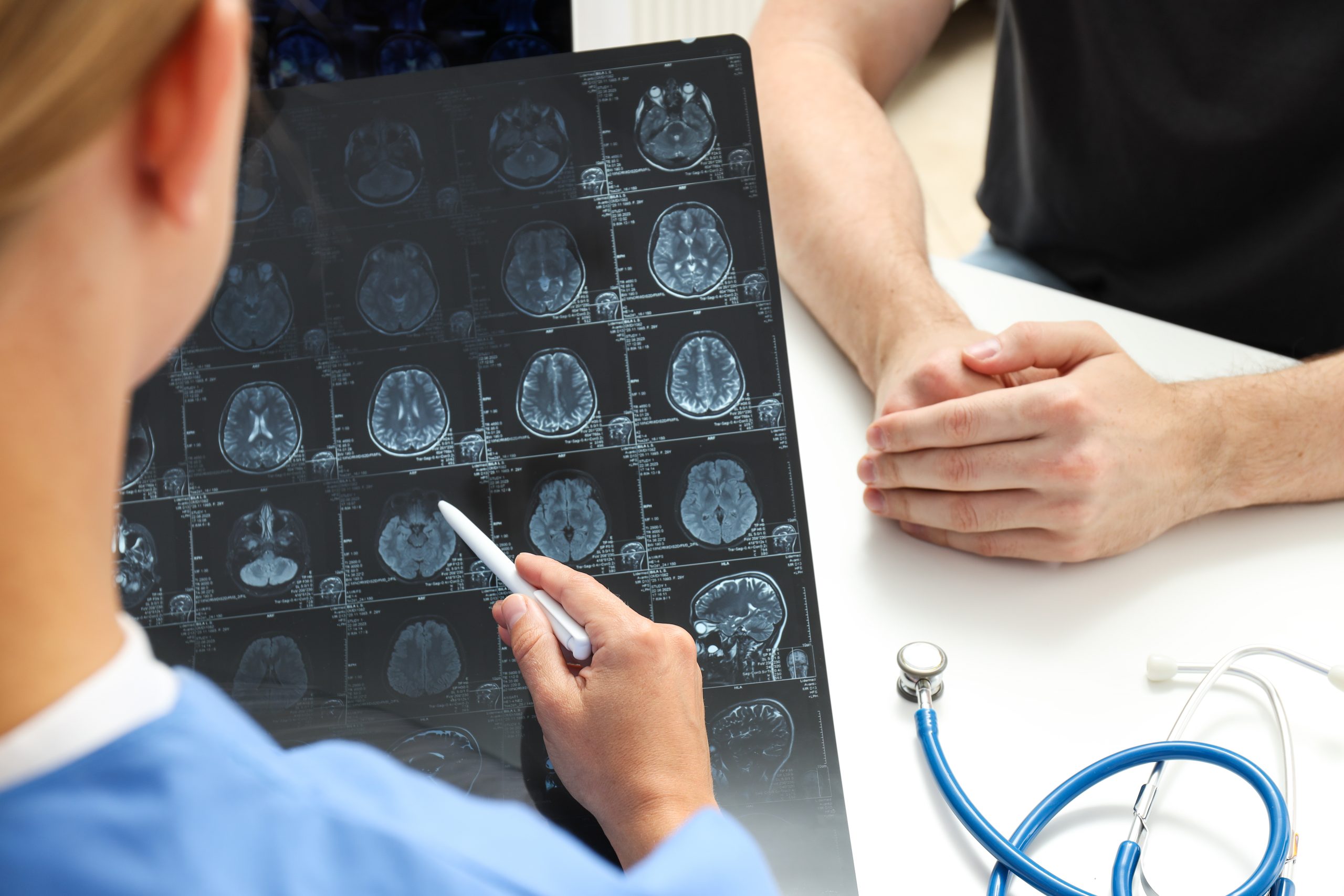
People with a traumatic brain injury (TBI) were more likely to die from ALS within two years of injury, a recent study found, although researchers say the link may reflect undiagnosed ALS. Researchers said reverse causation may explain the association, meaning people with early, undiagnosed ALS could be more likely to experience falls and other [...]
 Brain injury10 Aug
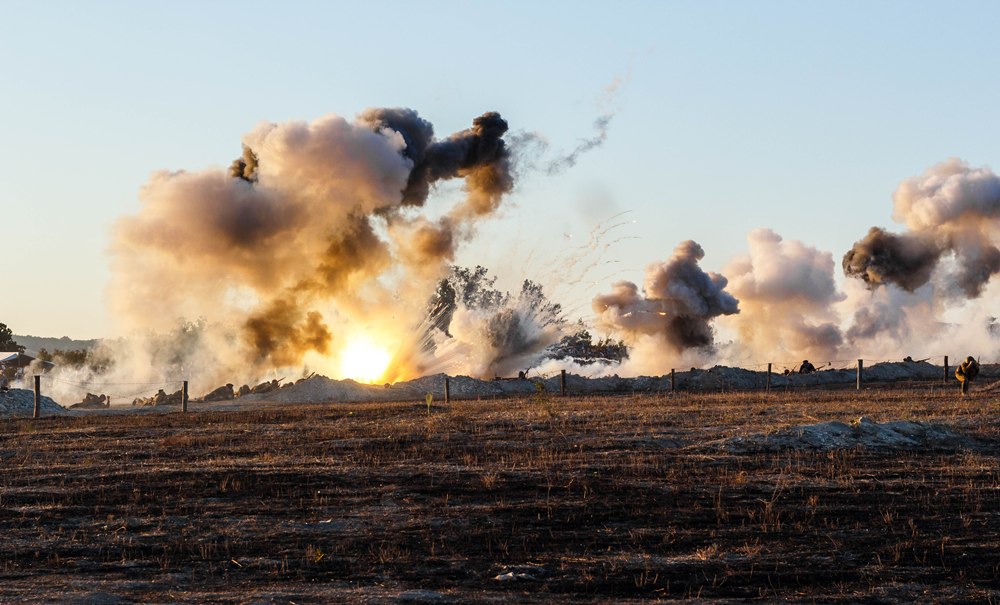
Veterans in roles with repeated blast exposure were significantly more likely to have anger, aggression and violence recorded than those in lower-risk roles in a recent study. The findings add to evidence that repeated military occupational blast exposure (MOBE) may have lasting neurological and behavioural effects. The link remained independent of combat exposure, traumatic brain [...]