News ›
News
The latest news from across neurorehabilitation.
 Tech & industry29 Jul
Rehabilitation robotics unicorn Fourier Intelligence is set to take its ongoing global expansion to the next level after securing funding from Saudi Aramco, becoming the first rehab tech company in the world to gain financial backing from a major player in the international investment market.
Fourier is now targeting global market expansion - with the United States and EU being key targets for the near future - ongoing development of its world-leading technology, and adding further to its international team through the C+ financing round, which the company’s co-founder Zen Koh described as being of “humongous” significance. The business, a pioneer in the global rehab tech market, is already on an unrelenting path of growth, expanding into 54 countries to date from its native Singapore, including the UK, with more than 1,000 uses of its technology in 30 of them. Long COVID28 Jul
Research is underway to better understand the impact of Long COVID and the cognitive impairment associated with the condition.
The CICERO (Cognitive Impairment in long Covid: PhEnotyping and RehabilitatiOn) project will help to determine which elements of brain function are most affected in people with Long COVID, using MRI scanning to identify affected brain networks. UCL researchers will then develop and test a new rehabilitation strategy to help people recover from the cognitive aspects of Long COVID and return to normal life and working ability. This will support production of a freely available COVID-19 Cognitive Recovery Guide on how best to offer the new rehabilitation approach depending on the patient’s symptoms. It has been backed by £1.2 million from NIHR.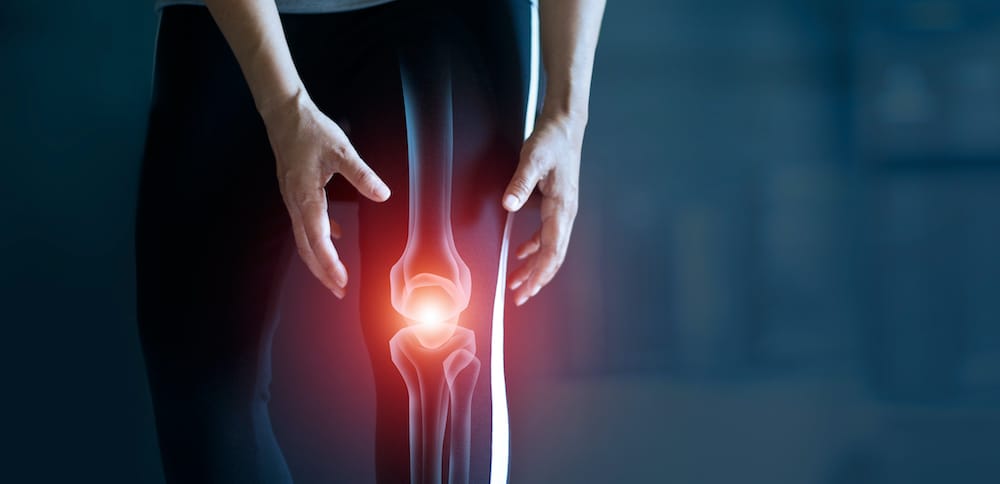 Tech & industry26 Jul
 Sponsored feature
Why is Cartilage Important?
Bones that come in contact with other bones are covered by cartilage at their contact points. Cartilage does not have blood vessels – it is supplied with nutrients through movement of the joint. That’s why regular exercise is so important!
Cartilage ensures that the joint surfaces move against each other in the most efficient way and with little friction. It absorbs shock, cushioning the joint, and distributes the forces acting on the joint.
If cartilage is damaged and its gliding properties are affected, it can no longer serve its purpose and the joints range of movement can become limited.
 Stroke26 Jul
Doctors in Japan have reported how masturbation sparked a bleed on the brain of a 51-year-old man; as published in the Journal of Stroke and Cerebrovascular Diseases.
Doctors at the Nagoya City University Graduate School of Medical Sciences in Japan explained that the man attended hospital after orgasming, with the sudden onset of a searing headache that lasted for around a minute. This was followed by an intense bout of vomiting.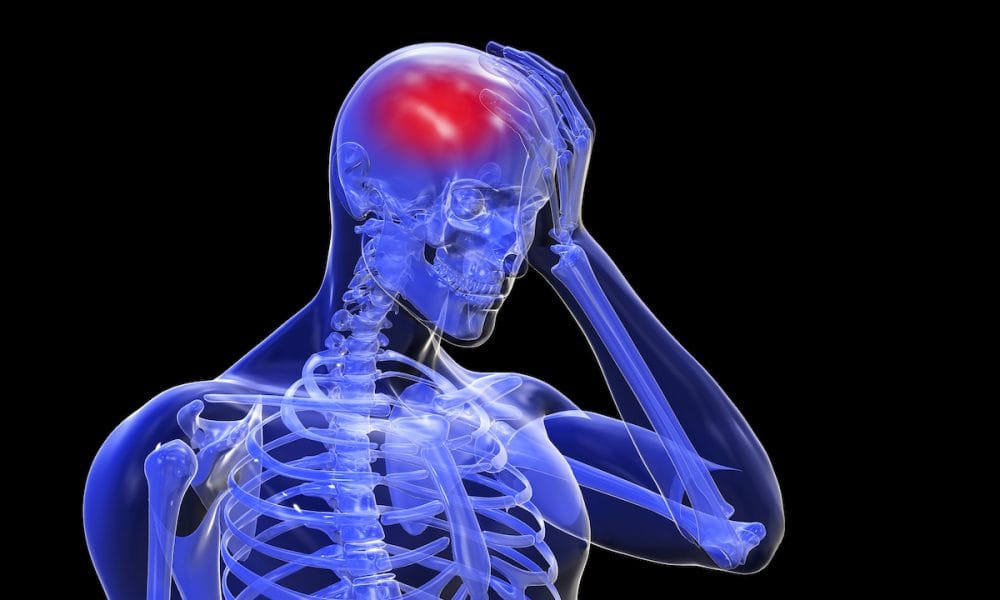 Stroke23 Jul
Over 100,000 people in the UK suffer a stroke each year, with there currently being around 1.2 million survivors living in the country.
Many people note that despite how common strokes are they remain unaware of what the actual causes of a stroke are. Depending on which of the two types develops, causes and outcomes can differ. What both have in common is they restrict blood flow to the brain. This leads to a reduction in the brain's oxygen levels, which can cause tissue damage.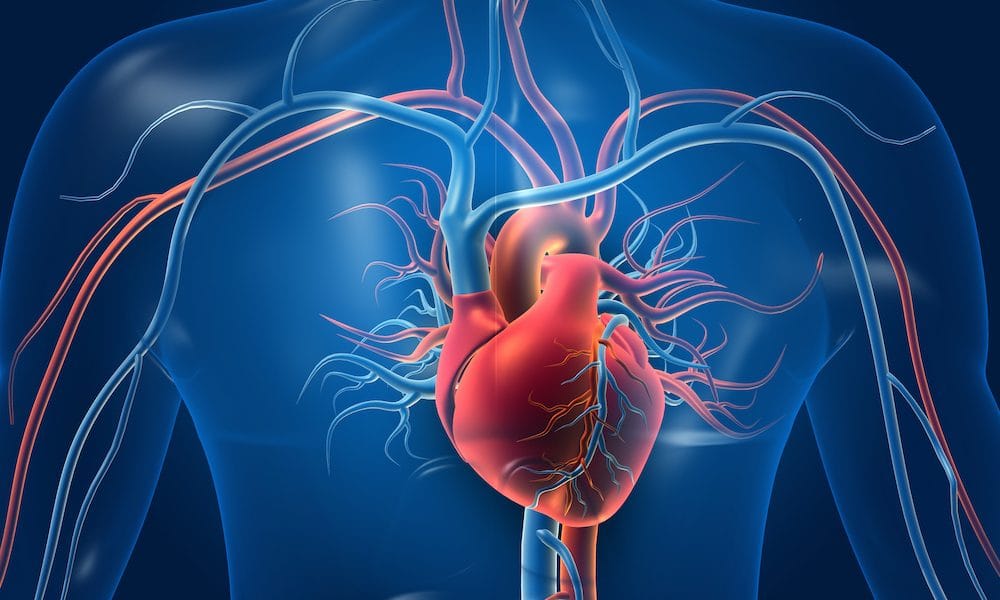 Stroke23 Jul
Engineers at the University of California San Diego have developed an ultrasound patch that can be worn on the skin. It monitors the blood flow through major arteries and veins deep within the body.
It is hoped that it could help clinicians diagnose cardiovascular conditions faster. It could also help to diagnose blockages in the arteries which could lead to strokes or heart attacks. The ultrasound patch continuously monitors blood flow as well as blood pressure and heart function in real-time. Assessing how much blood flows through a patient’s blood vessels could help diagnose blood clots, heart valve problems and poor circulation in the limbs. For many patients, blood flow is not measured during a regular visit to their doctors. It is usually assessed after a patient shows signs of cardiovascular problems. Brain injury23 Jul
A study of 44 rugby players, almost half of which had sustained a mild head injury while playing, has revealed a significant proportion had signs of white matter abnormalities.
It is the first study to assess long term changes in MRI images of professional rugby players. It also revealed abnormal changes in white matter volume over time. The researchers say that more work is needed to determine the long term effects of rugby on player’s brain health. Dementia21 Jul
Technology in the care system has come a long way, with the COVID-19 pandemic highlighting the need for more remote assistive technology.
Although there is no cure for degenerative diseases like dementia, utilising technology can ease the burden on both carers and patients, particularly those living on their own.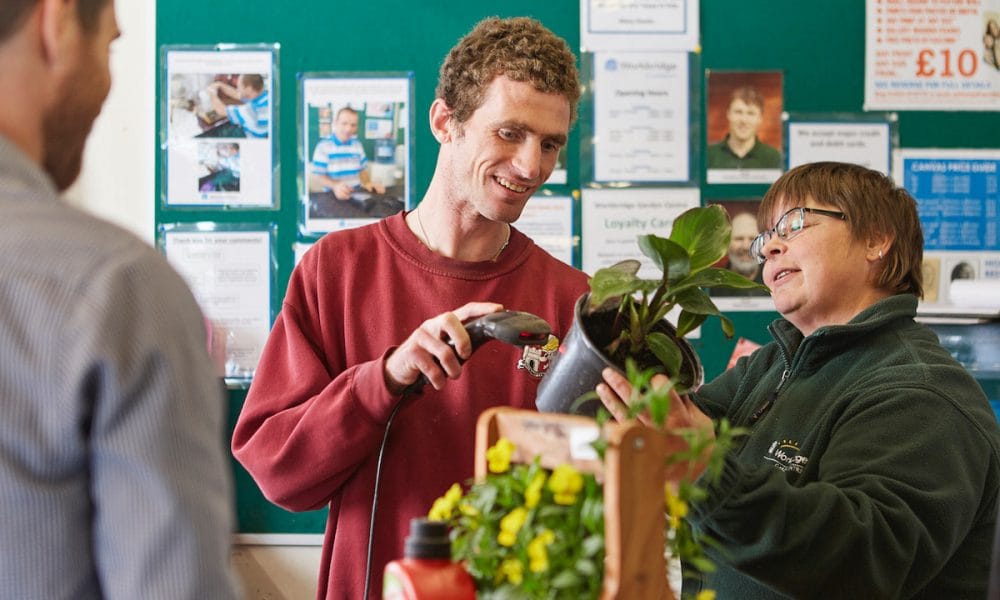 News21 Jul
“Being at Workbridge gives the person a sense of purpose. It provides them with an aim to achieve. They can stand back and be proud of what they’ve done,” says Tom, a service user accessing Workbridge at St Andrew’s.
Based within the St Andrew’s Northampton hospital site, and integrating public facing retail offerings, Workbridge provides a vocational pathway for people living with brain injuries, mental illness, learning disabilities or autism. The centre operates to provide training and social opportunities for people living in the community and within the inpatient setting of St Andrew’s and here people can learn new skills through the array of activities on offer, supported by vocational skills instructors. Dementia20 Jul
A student from the Edinburgh Napier University has created a reminiscence therapy tool kit which is designed to help dementia patients recall past memories.
The Forget Me Not Box contains a number of tools that are used to activate the five senses, bringing joy to those with dementia while also helping retain their identity. The kit is fully customisable so patients can explore memories and senses that are unique to them. Its lid allows photographs to be displayed while the built-in speaker can play a patient’s favourite songs as well as voice notes from family and friends. The box’s taste cards come with photographs and descriptions of a person’s favourite foods, while the scent bottles allow them to recall familiar smells such as similar perfumes.