News ›
News
The latest news from across neurorehabilitation.

Help for Heroes has become known and loved throughout the UK for its central role in supporting injured service men and women rebuild their lives as they return to civilian society. NR Times speaks to its head of clinical services, Carol Betteridge, to find out more about its life-changing work.
When service men and women sustain injuries - whether physical or psychological - frequently a main supporter in their recovery is Help For Heroes. The charity has supported more than 25,000 people to date, including those who have sustained some of the most serious, complex and life-changing injuries imaginable in conflict. Currently, the charity is working with 21 of the most critically injured UK service personnel in supporting them to rebuild their lives as people with complex injuries in a civilian world. And enabling them to move on with their lives is what Help For Heroes is committed to achieving, enabling access to the bespoke support and rehabilitation they need to do that. News7 May
Goal-setting in rehabilitation is vital, says Lisa Beaumont, whose own ongoing recovery from stroke is supported by the achievement of goals and the creation of new ones
Success in rehabilitation requires progress that can be shown by moving towards a goal. My primary goal since my rehab journey began ten years ago has been to be able to walk without a stick. Brain injury5 May
When the brain suffers an injury, the natural response is different to that in any other part of the body.
Unlike damage to most other areas, brain tissue cannot be repaired, meaning the impact of a trauma can often be permanent. For example, statistics show that only 25 to 33 per cent of severe brain injury patients endure positive outcomes or make a full recovery. Brain injury5 May
The first digital health intervention for families affected by ABI has been launched, with a view to national roll-out in the coming months.
CBIT In Hand has been created to provide immediate, tailored information via a mobile device to families of children and young people who have been affected by concussion and/or acquired brain injury (ABI). After three years of planning by the Child Brain Injury Trust, the app went live last week when it was launched at the CBIT virtual conference, and is being trialed in Alder Hey and Birmingham Children’s Hospital for the next three months. CBIT in Hand, which can be accessed by QR code or downloaded from App stores, is being targeted at A&E departments and major trauma units, to ensure families can find the digital information, resources and support they need instantly during the most difficult early stages of their loved one’s injury. Brain injury30 Apr
The research comes from Simon Fraser University and also showed that certain processing responses in players at the start of the season differed when observed in the postseason.
As well as this, the players in the older age group observed more of these changes. Those involved in the study monitored ice hockey players in Rochester, Minnesota from two different age groups: those 14 and under and those 16 to 20. They measured the player’s cognitive function using electroencephalography to determine their ‘brain vital signs,’ which includes a person’s auditory sensation, basic attention and cognitive processing. News30 Apr
Wheelchair accessible vehicle specialists Brotherwood has secured official recognition from Volkswagen, building its long-standing relationship with the motor giant further.
Brotherwood has been recognised as an official Volkswagen WAV convertor and integrated partner of Volkswagen Commercial Vehicles. The business underwent a rigorously-auditing process by Volkswagen Commercial Vehicles to ensure that they comply with demanding engineering and quality control standards. Brotherwood’s entire production process was examined, from design to build, and from delivery to ongoing support.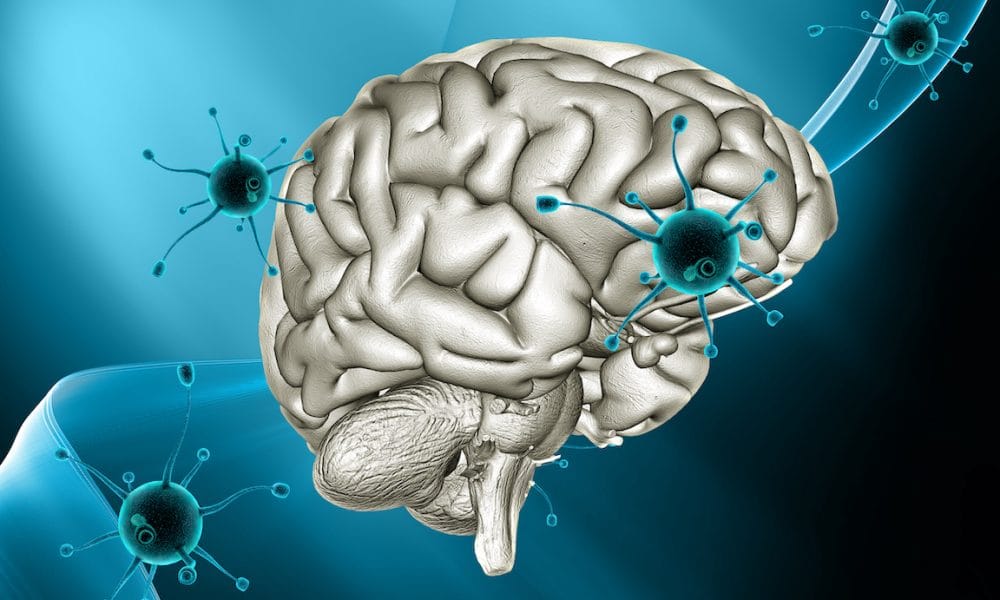 News30 Apr
Closer examination of the COVID-19 virus revealed that it can infect both the neurons in the brain and the astrocytes that support and protect these.
When it enters the respiratory system, SARS-CoV-2 begins to infect cells by grabbing hold of the proteins on its surface, which are known as angiotensin-converting enzyme-2 (ACE2). It was previously unclear whether neurons and astrocytes had the ACE2 protein, but by exposing them to a safely modified version of the virus researchers were able to determine this was the case. This helps better understand why some patients show neurological symptoms when they contract COVID-19 as these astrocytes are the main pathway to the brain. News29 Apr
The first UK participant has been recruited onto the new Proof HD trial into medication for people with Huntington’s disease.
The PROOF-HD study will enrol up to 480 people with early-stage Huntington’s at around 60 sites across the US, Canada, and Europe. Aberdeen University has now engaged its first patient, spearheading efforts in Scotland and the wider UK in the landmark study. PROOF-HD, sponsored by Prilenia Therapeutics, is a phase three clinical trial. It will investigate the drug pridopidine as a treatment for the disease. In contrast to some other treatments being investigated, participants are required to take a capsule orally twice a day. News28 Apr
An organisation established to support military veterans adapt to civilian life has seen its case load from women quadruple during the pandemic, with support now being offered on a global scale through its adoption of technology.
Forward Assist has traditionally supported both male and female former service personnel in and around its native North East, although has made waves nationally through its campaigning work. However, during the past year, its reach has extended exponentially through its use of virtual sessions, with its engagement with women growing particularly strongly. Stroke28 Apr
There are more than 100,000 new incidences of strokes in the UK each year - that is around one stroke every five minutes. 1.2 million people in the UK live with the after effects of stroke every day, making stroke one of the most resource-intensive indications faced by the NHS today, and a huge challenge for many years to come. The NHS and social care costs of stroke are around £1.7 billion a year in England. Therefore, stroke inevitably demands medical and therapy solutions founded on sound scientific principles, such as those provided by Ottobock.