



News ›
News
The latest news from across neurorehabilitation.
 Brain injury26 Apr
Two world-renowned former rugby stars have joined with Alan Shearer in stepping up the fight against dementia in sport.
Shane Williams, the all-time record try scorer for Wales, and World Cup-winning England lock Ben Kay are among 50 former elite rugby players to have backed the prevent PREVENT:RFC project, the latest phase of the Sport United Against Dementia campaign. Stroke26 Apr
The East of England Stroke Telemedicine Partnership has been delivering consultant expertise to the bedside of stroke patients for a decade. NR Times reports on its learnings and successes at a time when healthcare teams across the world are looking for guidance in telemedicine.
The Covid-19 pandemic has raised the profile of telemedicine in the NHS; but the idea of using technology for the remote triage, treatment and support of patients is far from new. The East of England Stroke Telemedicine Stakeholder Partnership has been delivering a successful thrombolysis service for patients with acute ischaemic stroke for a decade. Dementia26 Apr
A potential treatment for dementia could be designed on the back of new findings that show the benefits of reducing toxic gas levels in the brain.
The study analysed the impact of reducing the levels in the brain of hydrogen sulfide (H2S), which is potentially harmful to neurons. Researchers found that H2S was blocking the activity of some cells' potassium channels, which allow electrically charged atoms to pass through. This caused an increase in activity when these pathways were disrupted and researchers believe this overactivity is a cause of cell death.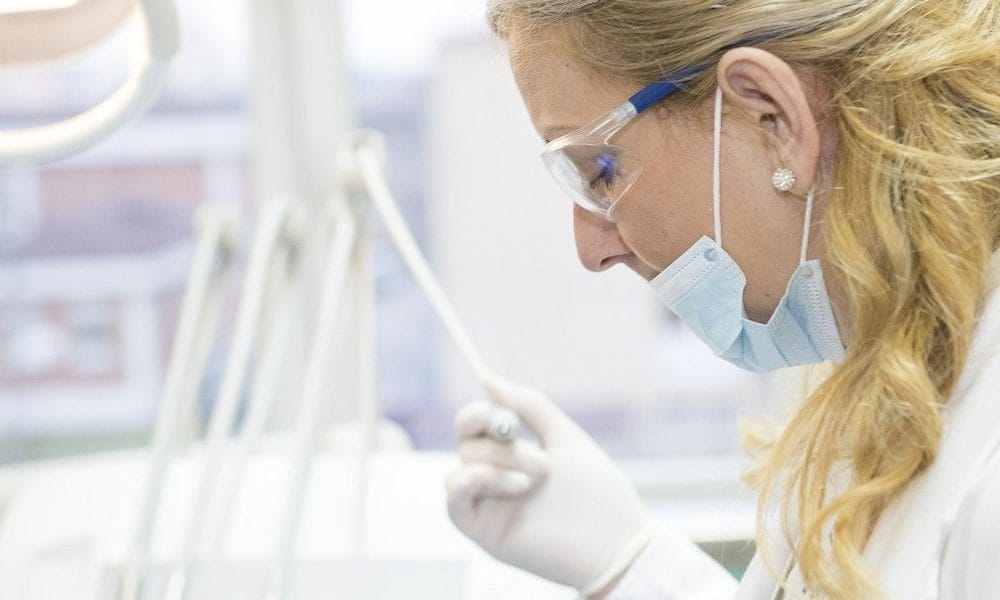 Spinal injury26 Apr
Writing for HT World, Brian O’Shea, continuing healthcare advisor at the Spinal Injuries Association, urges commissioners to embrace change for the good of the patient.
 News22 Apr
As a specialist provider of mental health support, caring for some of the most clinically complex patients in the UK’s mental health system, St Andrew’s has a team of experts to provide the bespoke support to enable vulnerable patients to recover. Here, NR Times meets consultant neuropsychiatrist, Dr Vishelle Kamath
Can you summarise your role and career to date? I work as a consultant neuropsychiatrist on the brain injury admissions ward. I have worked both in the NHS and at St Andrew’s within the independent sector. I have been fortunate to have the opportunity to have worked both as a clinician and as a manager of clinical services in a clinical director role.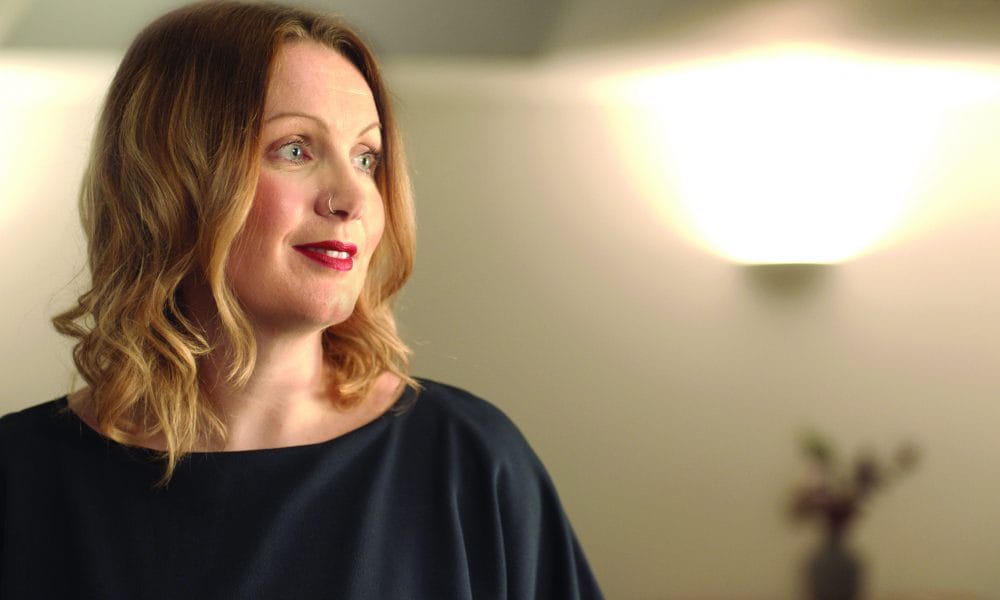 Parkinson's21 Apr
Having been diagnosed with Young Onset Parkinson’s aged 34, fashion designer Genna Douglas was left isolated and confused about how to get on with her life. To make sure no one else suffers a similar fate, she has teamed up with Parkinson’s UK and clothing giant Next to create a range of products that are raising both money and awareness.
The ordinary task of doing the washing up one day would prove to be a huge moment for Genna Douglas, after she noticed her hand was not moving properly. While on maternity leave having just had her second daughter, doctors originally thought the problem was a damaged nerve and she was placed on a course of medication to deal with it. News21 Apr
“Our approach isn’t just about covering shifts - it’s about creating the relationships which make our care truly person-centred.”
For Lena Walliman, that statement typifies the approach of Invictus Complex Care. Committed to creating teams which focus on their clients as people, the personal touch the business adopts is proving to be valued by client and staff alike. “The clinical side is more straightforward - for us, it’s absolutely about the person, and when you’re putting a team in place, if you haven’t got the right approach to doing that, then anything else you do makes no difference,” says Lena, clinical director of Invictus. Stroke20 Apr
When a stroke occurs, the event itself is only the start of what can often be a long road to recovery.
There are various options for survivors that can help improve their quality of life, but picking the right one can be confusing. Technology is now playing a bigger part than ever before in the rehabilitation process and often delivers life changing results. News20 Apr
A groundbreaking project which uses music therapy to help emergency workers recover from traumatic experiences has launched in a first-of-its-kind in the UK.
The Blue Light Symphony Orchestra (BLSO), in collaboration with Chroma, has started delivering music therapy to three groups of emergency workers.Last year, BLSO was awarded £10,000 funding from the Coronavirus Community Support Fund, distributed by The National Lottery Community Fund, to pay for group music therapy sessions for frontline men and women from the Police, Ambulance and Fire services in Surrey and Sussex. During the 12-week pilot program, one-hour group therapy sessions will offer improvised musical experiences and verbal reflection on those experiences, active drumming with entrained rhythm, leading and following and music to support mindfulness and grounding techniques.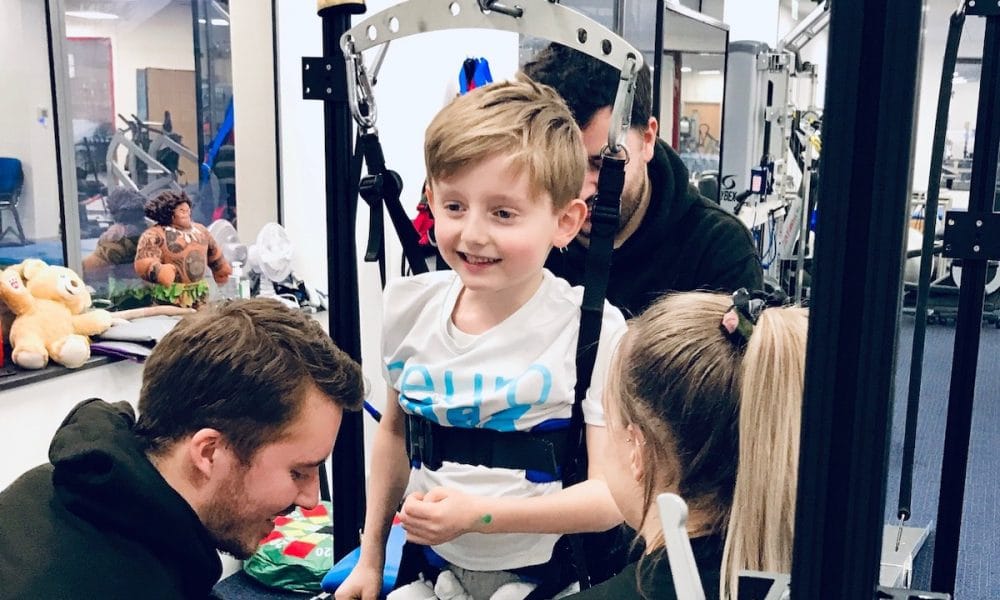 News19 Apr
Many individuals living with spinal cord injury, regardless of time elapsed since their injury or their age, experience improvements with posture, walking, health and well-being after receiving Locomotor Training. So, what is it?
 Locomotor Training is a rehabilitation intervention that is driven by the main goal of recovering function. It is based on our current knowledge of how the brain and spinal cord control stepping and how the nervous system learns motor skills. Ultimately, we are training people living with paralysis to stand, step and walk again. The benefits from this restorative approach reach far beyond its ultimate goal. Cardiovascular and pulmonary function, increased bone density, reduced spasticity, decreased skin lesions and greater ability to tolerate glucose are a few of the life-enhancing outcomes often attributed to this intervention.


