



News ›
News
The latest news from across neurorehabilitation.
 Patient stories16 Apr
After Helen Bulbeck’s daughter Megan was diagnosed with a brain tumour, the whole family was left isolated with little to no support. Now she is using this experience, plus her own journey with cancer, to help run the UK’s leading brain tumour support charity Brainstrust.
“It was at the time when Rohypnol was doing the rounds in the local pub, so I just thought maybe her drink had been spiked.” This was Helen Bulbeck’s initial reaction to her daughter, Megan, collapsing after a night out and being omitted to A&E in 2006. She later realised that it was the start of a lengthy battle, as MRI scans revealed Megan had a brain tumour. To complicate matters, surgeons opted not to operate unless the tumour showed signs of developing.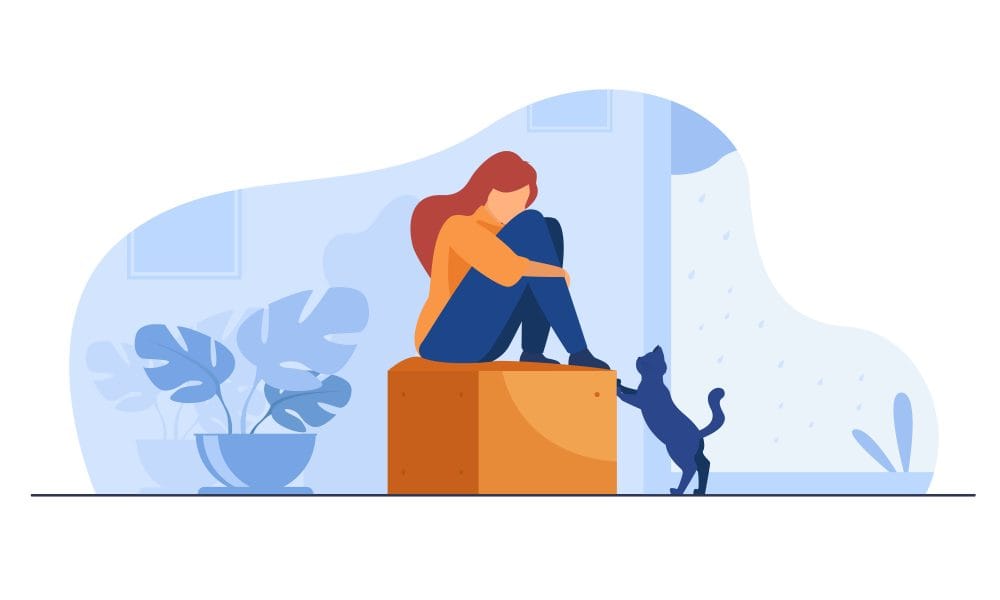 News16 Apr
Loneliness in lockdown among brain injury survivors is the subject of a new research study which hopes to shine a light on the ongoing issue of isolation.
While loneliness for the wider population was something rarely previously experienced prior to the COVID-19 pandemic, for those living with a brain injury, the everyday reality is often very different. And through this new study, researchers hope to discover the true effect the pandemic and its necessity for survivors to stay at home - and in some instances shield for several months - has had and how their protective factors have impacted on that. Preventing brain injury15 Apr
Temporary concussion substitutes must be included in the current trials underway in the Premier League to safeguard the safety of players, players’ unions said today. FIFPRO and the PFA have called for the introduction of temporary substitutes no later than June 1, and for the scope of the 18-month trial - which enables a team [...]
 News14 Apr
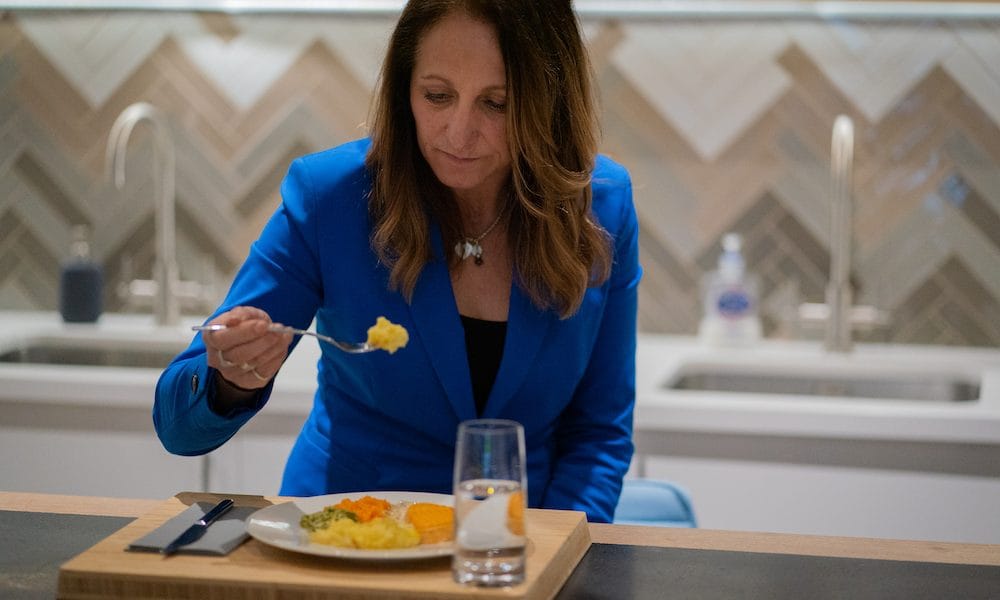
The latest Softer Foods creation from Wiltshire Farm Foods features an innovation which is entirely unique to the market: the shaping of a Level 5 Minced meal.
The company’s development team decided to incorporate this particular feature to enhance the visual element of its new Minced Cod in Parsley Sauce to further support those with swallowing difficulties in ensuring they receive the nutrition they need. Committed to creating meals as delicious as they are visually appealing, Wiltshire Farm Foods understands how the aesthetic appeal of a plate of food can impact the appetite. Giving its customers the ability to eat independently with meals that look enticing ensures dignity in dining; something the company is passionate about. News8 Apr
Having worked for some of the biggest media outlets in the science industry, Ginny Smith has been making brain science accessible for several years. With the release of her first solo book, she sits down with NR Times to discuss the ever-changing world of neuroscience.
The neurotransmitters in our brains and the chemicals that go with them continue to puzzle scientists and academics. Making sense of it all is Ginny Smith with the release of her new book. Overloaded: How Every Aspect of Your Life is Influenced by Your Brain Chemicals explores how chemicals control what we do, from basic survival instincts to more complex processes, like forming relationships.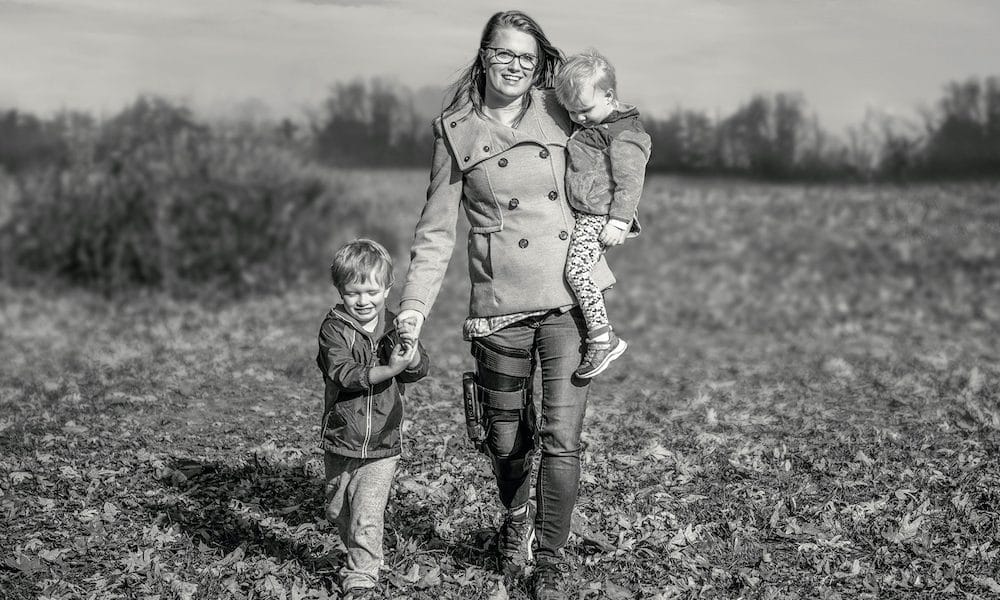 Tech & industry8 Apr
The C-Brace is big news in the progression of Orthotic treatment for neurological conditions. The integration of microprocessor technology into a carbon fibre Knee Ankle Foot Orthosis (KAFO’s) opens up a whole new world of possibilities and mobility for patients dependent on full leg support to stand and walk.
As standard, KAFO users are supplied with locked knee KAFOs. This is where the knee is locked in a straight position throughout their gait cycle, but manually unlocked to allow the user to sit down with their knee flexed. The use of a locked KAFO brings about stability of the knee for users with reduced lower leg muscles strength, when walking on level ground.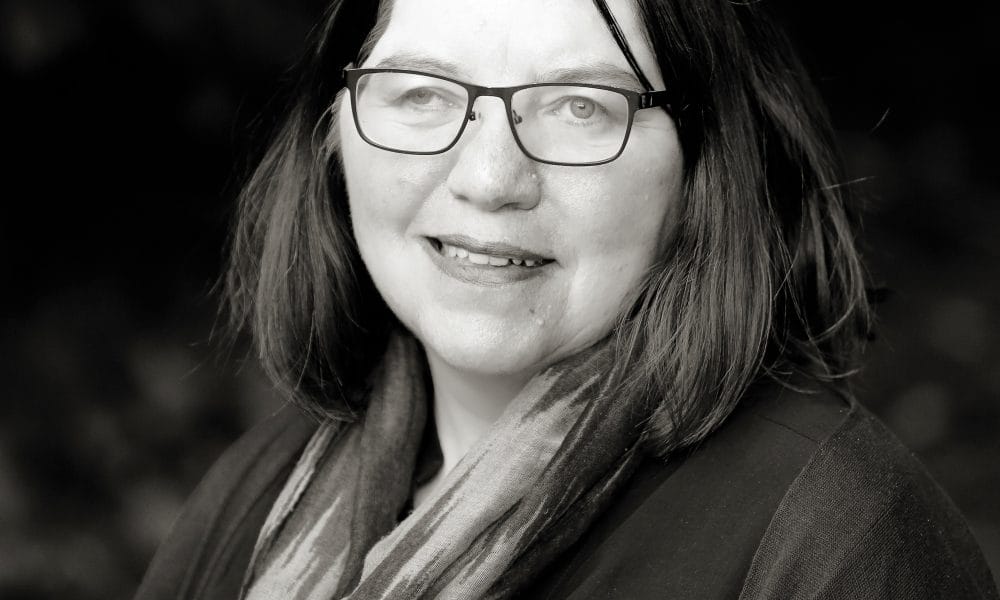 Proving what works6 Apr
Having survived against the odds, Lisa Beaumont has used her experience to help shape Neuro ProActive, a new app-based rehabilitation platform. Here, in the first of a series of blogs, she shares the background to her involvement
Between zero and 60 per cent of people who have an aneurysm do not survive long enough to reach hospital alive. I survived mine in January 2011. I know that I survived against the odds. April is a month when nature reminds us of new beginnings. Brain injury6 Apr
Criticism has again mounted around the “fundamentally flawed” concussion trials in football, after an incident where a player was allowed to continue after sustaining a head injury.
In the Sheffield United vs Leeds match at the weekend, George Baldock initially continued after being checked on the pitch by medics, but had to come off five minutes later after feeling groggy and experiencing blurred vision. Under new trial concussion protocols introduced in the Premiership, players who sustain a head injury can be replaced in a concussion substitution, which will remove them from the game permanently. News1 Apr
Two key figures in healthcare, who have played a prominent public role during the COVID-19 pandemic, have reflected on the challenges of the past year on the first anniversary of the UK’s national lockdown.
Professor Stephen Powis, National Medical Director of NHS England, and Dr Yvonne Doyle, Medical Director and Director of Health Protection for Public Health England, took part in an event hosted by disability charity, Queen Elizabeth’s Foundation for Disabled People (QEF). They were joined by QEF’s Director of Operations, Rita Asamoah, who talked about how QEF has worked in partnership with the NHS to support people directly out of hospital throughout the pandemic and opened the new Care and Rehabilitation Centre despite the challenges of COVID. Tech & industry31 Mar
An app designed to support people who have acquired reading impairments or aphasia due to stroke, brain injury or dementia, has launched globally.
In its first week, iReadMore, with its unique and engaging approach to single word reading therapy, was downloaded in every continent of the world except Antarctica. The self-led app is for individuals to use at home, which is proving especially relevant during the pandemic and ongoing lockdown restrictions around the world, with many people pursuing their own therapy options. iReadMore has been developed by researchers in the Neurotherapeutics Group at University College London, working alongside people living with aphasia, to bring to fruition a project that was started in 2007 by Dr Zoe Woodhead and Professor Richard Wise.


