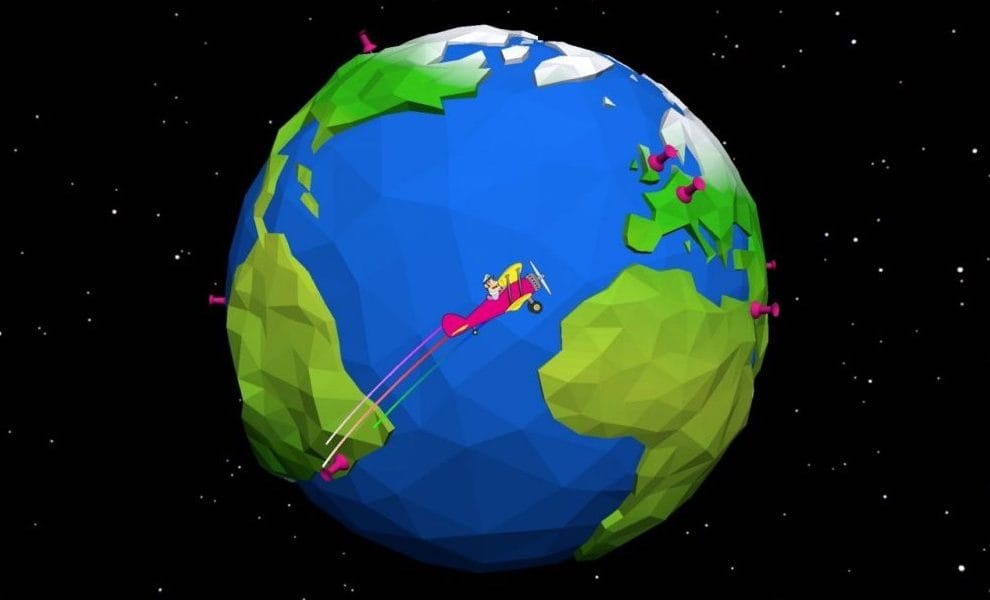
An app designed to support people who have acquired reading impairments or aphasia due to stroke, brain injury or dementia, has launched globally.
In its first week, iReadMore, with its unique and engaging approach to single word reading therapy, was downloaded in every continent of the world except Antarctica.
The self-led app is for individuals to use at home, which is proving especially relevant during the pandemic and ongoing lockdown restrictions around the world, with many people pursuing their own therapy options.
iReadMore has been developed by researchers in the Neurotherapeutics Group at University College London, working alongside people living with aphasia, to bring to fruition a project that was started in 2007 by Dr Zoe Woodhead and Professor Richard Wise.
Initially, the project was to develop a therapy for pure alexia, a rare reading impairment, but the team soon realised the potential for the therapy to cover a wider range of reading impairments caused by stroke, brain injury and dementia.

Clinical trial data on iReadMore has demonstrated an average 8.7 per cent improvement in reading accuracy on trained words for people with aphasia. This progress was maintained at a three-month follow-up.
“Through practice-based intervention, the reading network can improve. The basic therapy hasn’t changed, but with iReadMore, we’ve made it more fun and easy to use at home,” says Dr Woodhead.
“It uses repetition-based practice which is very specific in its terms. It deals with word recognition in reading.”
“For example, it’s not going to fully reverse the strength of a person’s dementia, but it can help their reading accuracy and speed,” says Professor Alex Leff, group leader of the Neurotherapeutics Group.
“By using iReadMore, it will improve reading, but it won’t improve speech in the same way as if you practice tennis, you won’t necessarily get better at table tennis or squash.”
“We’ve had a hugely positive response since taking a step into the unknown with our launch,” says Tom Langford, a PhD student whose studies are focused on the development of iReadMore.
“We co-designed the app with people with aphasia, and added in features that would make the app not only effective, but also enjoyable to use.
“The most important thing is that it is widely accessible and relevant to those who need it, and it’s been such a rewarding experience to develop this app which is already delivering results.”
The app is currently available through Google Play, but its impending launch for Apple devices is set to raise its profile further on an international level.
The team will continue researching and developing the therapy using data collected through the app to enable them to refine the app even further.
One key distinction between existing app-based therapies and iReadMore is the ability to receive feedback.
“Many other apps don’t give feedback, but without that, how are you supposed to know how you’re progressing, and whether you are at all?,” says Professor Leff.
“However, we have been very mindful that for some people, they’re already acutely aware of their impairment and don’t always want a daily reminder of it. So rather than having progress graphs automatically popping up, users can decide whether to check them,” adds Tom.
Despite the challenges of the final stages of iReadMore’s development coinciding with the national lockdown, the team were able to continue their work while enabling new digital capabilities among its participants.
“We could no longer have groups of people testing the app at UCL so we sent devices for people to test it at home in the environment they’d be using it anyway, so it was a really realistic way of testing” says Tom.
“It helped us to realise that we can widen the scope of our work beyond London, we could take on a national dimension to our research and that’s something that we will continue to do where possible.
“For some of our participants, they didn’t have access to a device prior to us sending them one – so hopefully we’ve also played our role in helping them to have access to technology during a time when that was often the only means of communication.”