



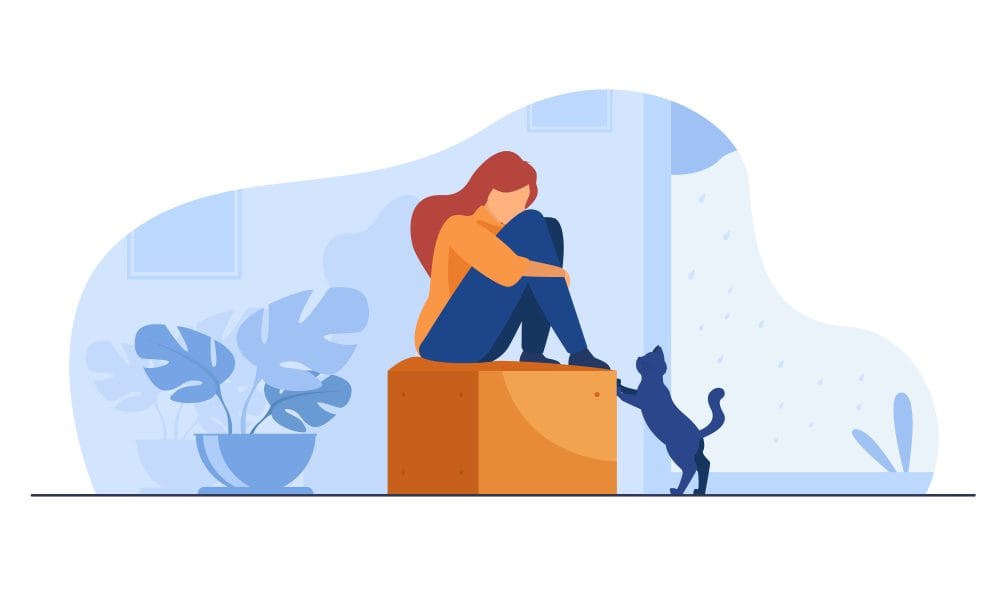
Loneliness in lockdown among brain injury survivors is the subject of a new research study which hopes to shine a light on the ongoing issue of isolation.
While loneliness for the wider population was something rarely previously experienced prior to the COVID-19 pandemic, for those living with a brain injury, the everyday reality is often very different.
And through this new study, researchers hope to discover the true effect the pandemic and its necessity for survivors to stay at home – and in some instances shield for several months – has had and how their protective factors have impacted on that.
The project, by the University of Sunderland in conjunction with Headway, is currently gathering participants for its pioneering research, which will compare the experiences of people living with brain injury to those without.
Led by Dr Stephen Dunne, who has a long-standing research interest in social factors which affect brain injury and stroke survivors, he hopes it will both raise awareness of the ongoing issue of loneliness many people face, as well as helping to inspire action.
“There is a dual focus to this project – loneliness is something known to the masses now more than ever before; it’s not just something felt by a particular part of the population. For a neurotypical individual, I think it has shown what life can be like to be lonely in ways they may never have known previously.
“An important point of our research is to try and understand how, for people with brain injury, their loneliness and their perceptions of loneliness have been affected during the pandemic – has this been heightened over the past year and been exacerbated by lockdown?
“Or have they actually felt less lonely than neurotypical individuals, as they have had the experience pre-pandemic of adapting to life like this, and already have the support strategies in place?
“But crucially, the future of this project isn’t to define loneliness, understand its impact, then drop it – we want to understand it so that we can facilitate the removal of barriers so we can bring about strategic improvements to the wellbeing of people living with brain injury.”
Dr Dunne and his team are seeking brain injury survivors nationally to take part in the research, which will be done by a survey: https://sunduni.eu.qualtrics.com/jfe/form/SV_czH5B8R5kieDgQR and an optional additional interview with the team remotely via Microsoft Teams.
“We’re at a crucial stage now where we appear to be coming out of restrictions, but the experiences of the past year are still very real for so many people,” adds Dr Dunne.
“We want to do this at the right time, before reintegration into society starts to happen and we are looking retrospectively, so we’re keen to hear the experiences of as many people as possible.
“We want to better understand loneliness and its impact, so we can help to bring about change for the future. Understanding the journey of brain injury survivors over the past year is a key part of us being able to do that.”
For further information about the research study, or to share experiences through an interview with the research team, contact [email protected]


