



Patients & families
For people living with neurological conditions and their families.
 Patient stories11 Dec
Having lived with a serious brain injury from the age of seven, Jamie has rebuilt his life and is committed to enjoying every single day, supported by a team of specialists around him. NR Times learns more.
Jamie lives every day to the full. Having lived with a severe brain injury since the age of seven, when he was involved in a road traffic accident, Jamie has rebuilt his life beyond all expectations. He has developed a love of boxing, which is helping him progress both physically and emotionally, which has proved the perfect solution to his loves of sport and being active. Families & carers28 Nov
With every day of the COVID-19 pandemic that passes, unpaid carers are saving the UK state £530 million in the care they provide, new data suggests.
The research, released for Carers Rights Day, estimates that the care provided by people looking after older, disabled and seriously ill relatives and friends during the pandemic stands at £135 billion so far, after just eight months. Previous research by the charity found that the majority (81%) of carers have been taking on more care since the start of the pandemic and nearly two thirds (63%) are worried about how they will continue to manage over winter. Stroke27 Nov
When James’ wife suffered a stroke, both of their lives changed as a result. Here, he talks openly about how the ongoing impact of her illness affects them both, and how he in particular struggles to cope.
It’s been two years now since my wife had a stroke. She has done so well in getting some of her old self back, but in truth I think it’s me who continues to struggle the most. We’re a couple in our early 40s who have always loved to travel, enjoy the outdoors, eat out in nice restaurants, and just enjoy our lives. We’ve been together since we were teenagers, and while we haven’t been blessed with children, our adventures have always ensured we had plenty to keep us occupied. Patient stories19 Nov
Having suffered a traumatic brain injury in an assault aged only 24, Martin’s life was changed forever. Here, he tells NR Times how his personality was changed beyond recognition, and why he is now relieved his suicide attempt failed.
It was a Wednesday morning. The sun was shining, children walked past my house on their way to school, it was a day like any other. But for me, today was different. Today was the day I decided I no longer wanted to be in this world.
I took one last look at the sun from my window, closed the blinds, then went to my bedroom with a cocktail of pills to hopefully make it all just end…
Having suffered a brain injury two years previously in a violent assault, which left me with a personality even I didn’t recognise, my life was in ruins.
 Brain injury14 Nov
A study has found that 68% of people believe they should ‘reach out’ to carers more often – with 60% of respondents only asking carers how they are ‘now and again’, ‘rarely’ or ‘almost never’; leaving carers at risk of feeling forgotten.
Furthermore, 72% of respondents worried that carers struggled with ‘loneliness’ thanks to the full-on nature of care leaving them little time for socialising. Throughout the pandemic, caregivers have been at the forefront of the fight, looking after the most vulnerable in society and putting their own lives on the line to do so. In light of this, a campaign called #ReachOutAndHelpOut has been launched to encourage support for carers as they continue to deliver essential care to those in need – amidst fears that carers’ wellbeing is often overlooked. Families & carers12 Nov
Researchers at the University of East Anglia and Norfolk and Suffolk NHS Foundation Trust (NSFT) are launching a new project to improve the lives of dementia carers in the UK.
They will work with carers and healthcare workers to co-develop and test a new ‘Carecoach’ support package – backed by £2 million in funding from the National Institute for Health Research (NIHR). The aim of the blended care initiative is to help dementia carers stay emotionally and physically well – which is crucial for both the carer and the person they support and care for.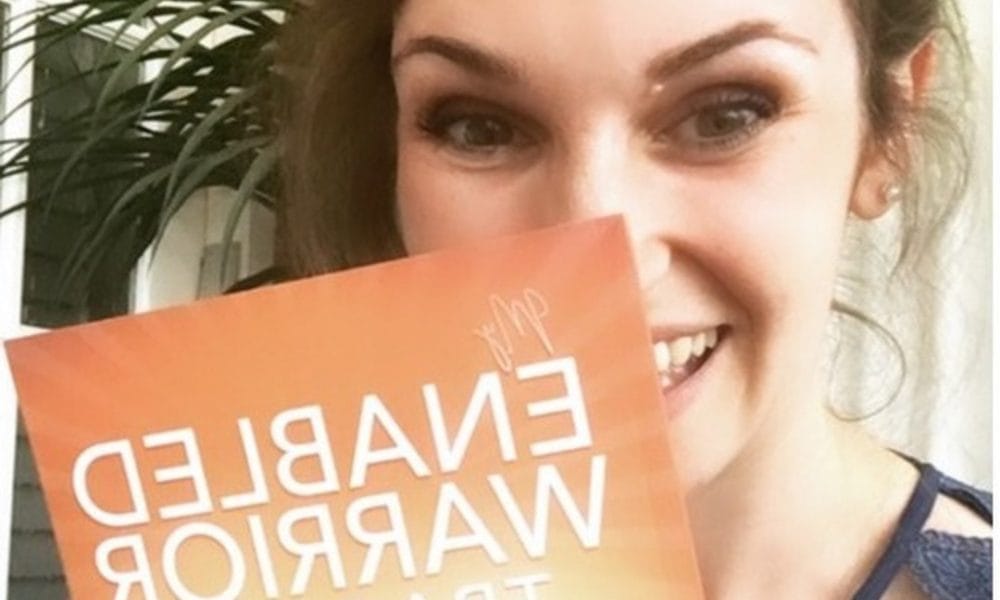 Multiple sclerosis10 Nov
Having felt so let down by the lack of support and guidance available to people with Multiple Sclerosis (MS), podcaster and campaigner Jessie Ace has now produced a book - My Enabled Warrior Tracker - in the latest step on her crusade to empower those with chronic conditions. NR Times learns more.
Diagnosed with MS aged only 22, having just graduated from university and - with a book deal already secured - about to embark on a career as an illustrator, Jessie Ace knows only too well how devastating and scary the outlook can seem.
“I thought my world had ended, but the worst part of it all was not knowing where to turn, or who to turn to. There was a total absence of information about what I should do from that point onwards,” she recalls.
 Multiple sclerosis5 Nov
Michael was a high-flying company director when he was diagnosed with Multiple Sclerosis earlier this year. Only shortly afterwards, amidst the economic impact of the pandemic, he lost his job. Here, he describes the devastating reality of such a double blow, and why he is determined to find the confidence to get him through.
“I was diagnosed with Multiple Sclerosis just before lockdown. Five months later, I was made redundant. The two events weren’t linked, but both have been central to the real uphill battle I feel I’m fighting at present. Opinion21 Oct
COVID-19 has presented many challenges for brain injury patients, with the cancellation of groups and appointments meaning a pause in their rehabilitation. Here, Paul shares his story of how his experience of the past few months has left him dreading the impending ‘second wave’.
I sustained a brain injury just over 18 months ago now. It was in circumstances many people describe as a ‘freak injury’ but I really hate that description, as I’m constantly well aware I probably now seem like a freak, thanks to my condition. I was decorating at home, something I never do, but we were trying to save some money so I thought I’d give it a go. I was standing on some ladders which were a bit wobbly, but they seemed fine for a DIY novice such as myself. Patient stories15 Oct
Having experienced a brain haemorrhage five years ago, 52-year-old Jane Hallard from Gloucester has had to rebuild her life. Here, she details her struggle and how she has learned to look to the future with positivity.
In the five years since my brain injury, I’ve had to come to know a whole new me. While I look the same as I did, I’m far from being the same person. On that day, back in 2015, when I was helping my son to clean his car, little could I have imagined what lay ahead.


